Colorado tribal leaders ask Legislature for more collaboration in policymaking

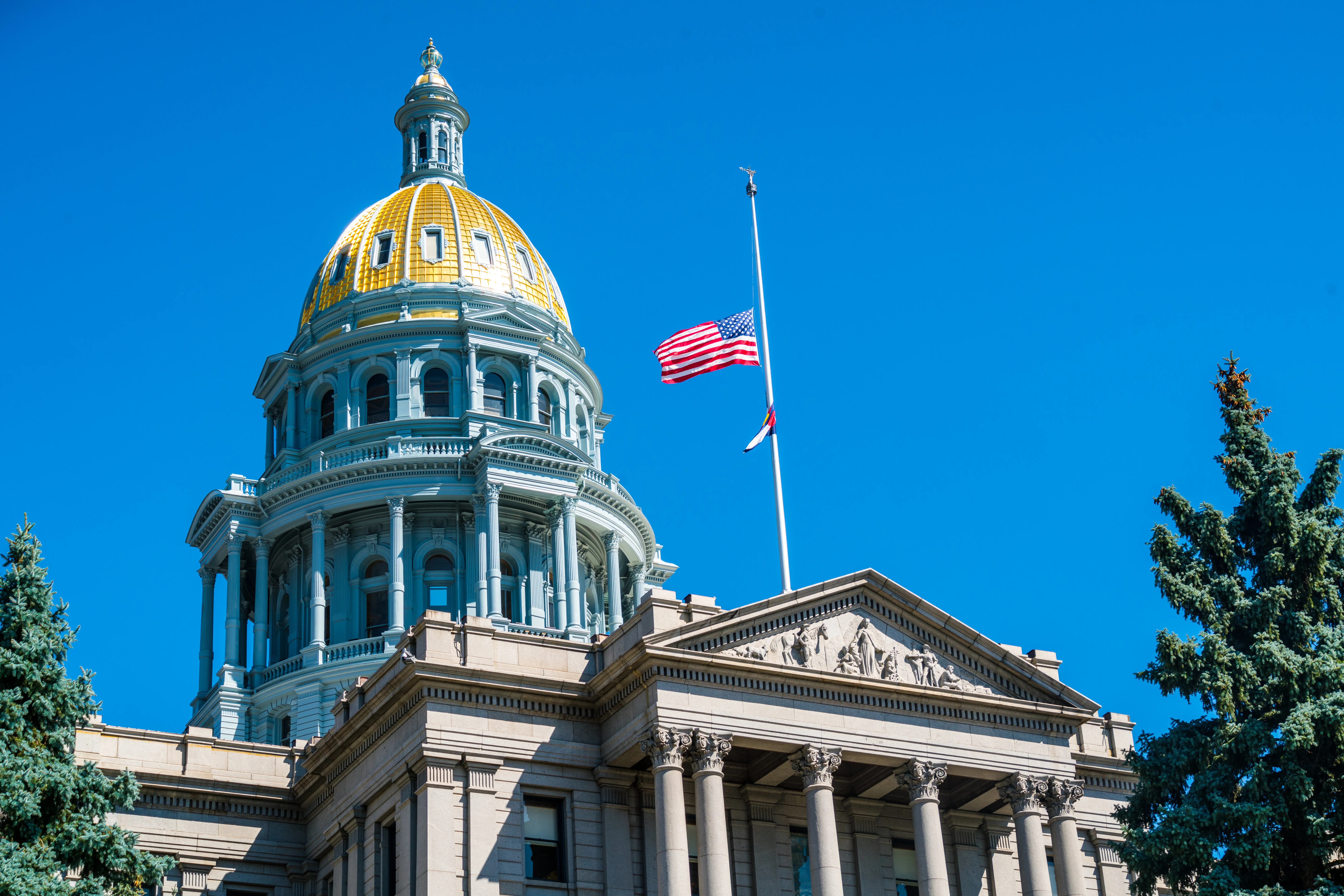
Colorado Capitol Building Denver © iStock - kuosumo
Leaders of the two federally-recognized tribes in Colorado spoke to the Legislature on Friday morning about the relationship between state and tribal governments, as well as a desire to further confer on policy proposals at the Capitol.
“In many places, state and tribal relations remain strained. But here in Colorado, we have chosen a different path,” said Southern Ute Indian Tribe Chairman Melvin Baker. “It is one rooted in collaboration, consultation and trust.”
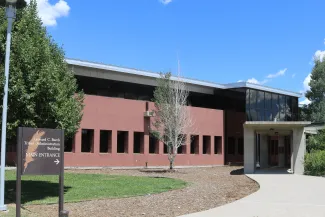
Southern Ute Tribal Administration Building - Jeffrey Beall - CC BY 4.0
Leaders of the Southern Ute Indian Tribe and Ute Mountain Ute Tribe address the Legislature at the beginning of the session every year about their priorities, successes and challenges. The Southern Ute Reservation and Ute Mountain Ute reservations sit next to each other in the southwest corner of the state and have about 3,600 enrolled members combined.
Ute Mountain Tribe Councilmember Marilynn House said that she would like for tribes to formally meet with legislators more often. Tribal consultation is usually honored, she said, but is not always consistent.
“Open communication is what all tribes in this country should have and be entitled to, as the government has broken many promises and treaties,” she said. “A way to move forward from the past would be to always consult the tribes.”
House highlighted recently-passed legislation related to tribes, such as last year’s Colorado Voting Rights Act, which enables members to use their tribal identification cards for voter registration and requires drop boxes on reservation land if the tribe requests one.
“This allowed more access to voting for our tribal membership and provided the tribe with an opportunity to be involved in their state’s elections and have proper representation,” she said.
She also praised a law passed last year that gives tribal members free access to state parks. That law is the center of a lawsuit from the Ute Indian Tribe of the Uintah and Ouray Reservation in Utah, which alleges they also have longstanding rights to hunt, fish and access the lands now considered state parks in Colorado.
Baker used a portion of his speech to call on the state to help more with cleanup efforts from a major gasoline spill on the reservation over a year ago. An estimated 97,000 gallons of gasoline spilled from a ruptured pipeline owned by Texas-based Enterprise Products in December 2024. It is the largest spill in the state since 2016.
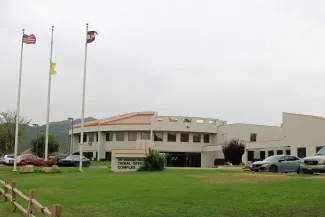
Ute Mountain Ute Tribal Office Complex - Jeffrey Beall - CC BY 4.0
“This presence of gasoline contamination in the groundwater raises serious concerns for public health, environmental safety and long-term impacts to the Animas River, our wildlife, our reservation, our cultural resources and those who live downstream,” he said.
He said the spill is a reminder of the risk posed by aging infrastructure and weak oversight, and the state has not allocated “appropriate” resources to the cleanup, he said. Late last year, the U.S. Environmental Protection Agency said it would work with the tribe and the state to implement a corrective action plan.
“We believe that if a similar spill occurred on the Front Range, the response would be immediate and direct,” he said.
Baker also said the tribe has entered into mediation with the state over the tribe’s ability to launch an online sportsbook without being subject to a 10 percent tax, which the tribe said is not allowed under the state’s gaming compact with the tribes. Colorado voters legalized sports betting in 2019. The tribe sued the state over the issue in 2024 — the Ute Mountain Ute tribe joined the lawsuit later — but a federal judge ruled that the state is immune to the lawsuit late last year.
“Our relationship depends on cooperation,” he said. “We need to enter into agreements with the state and trust that they will be respected.”