Colorado's 'Born to Be Wild' license plates help ranchers, wolves
A new set of wolves is on the road in Colorado — this time as artwork on a custom-wrapped pickup truck promoting the state’s Born to Be Wild license plates.
More than 26,000 Coloradans have purchased the plates so far, raising $1.3 million to reduce conflicts between wolves and ranchers.
Ryan Sedgeley, the southern Rockies representative for the Endangered Species Coalition, said Colorado also has the most generous livestock-loss compensation program in the country.
“And so when livestock owners are impacted by wolves, they're compensated,” Sedgeley said. “They're compensated very generously. So nobody is being left out in the cold. Everybody's being made whole.”
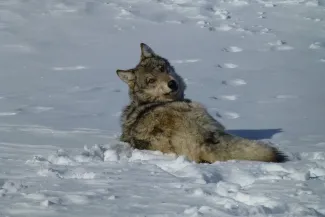
USFWS - public domain
Government eradication programs, habitat loss and hunting nearly drove wolves to extinction by the mid-20th century in the Lower 48 states. Colorado voters approved a wolf reintroduction program in 2020.
The program remains controversial, largely because of complaints from livestock producers about wolves killing animals headed to market. Federal wildlife officials recently opened a formal review of how Colorado has handled conflicts and are accepting public comment through June 5.
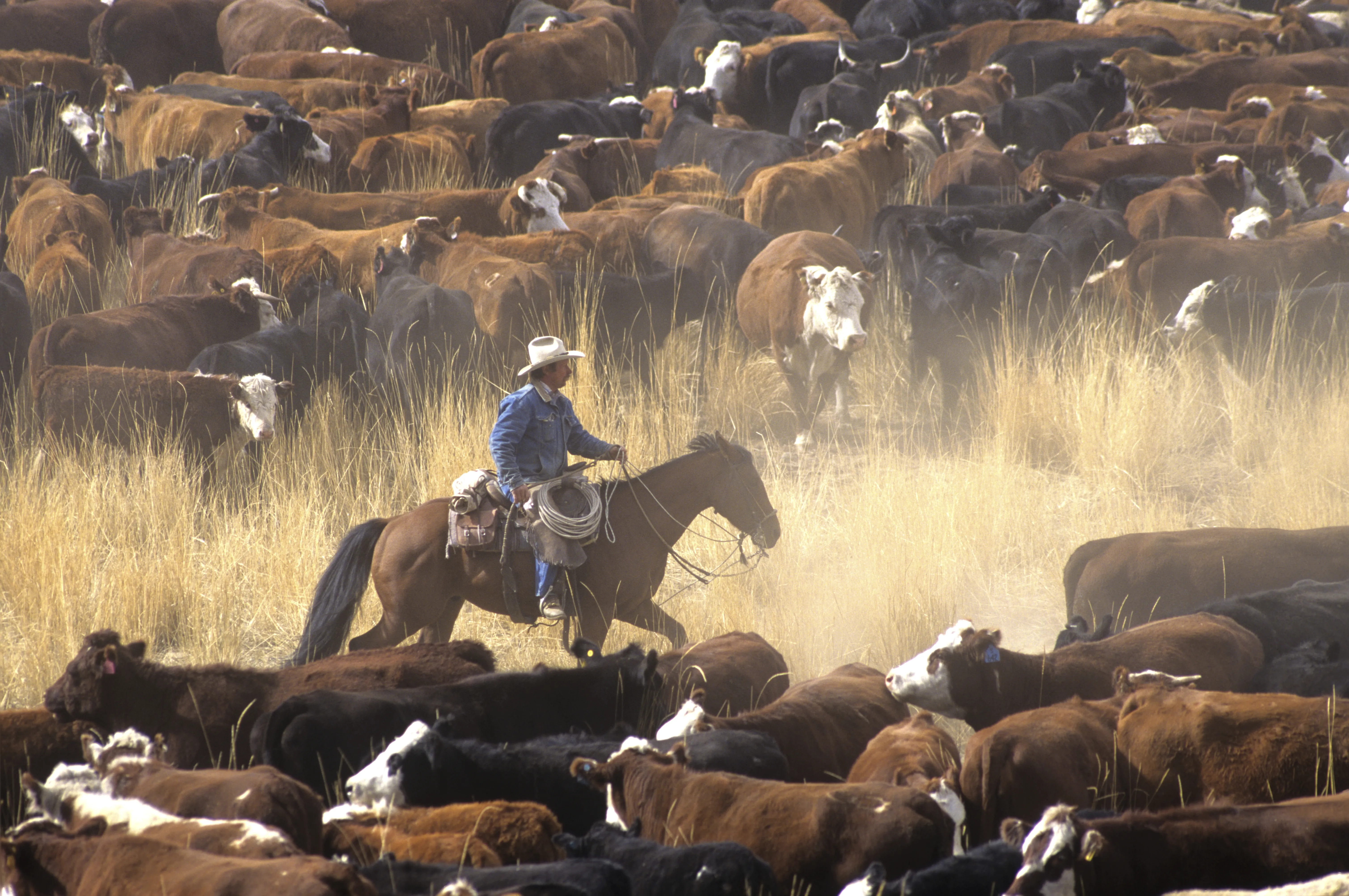
Sedgeley noted that in places such as the Northern Rockies, where there are large wolf packs and millions of livestock, less than 1% of cattle are lost to wolves. He said domestic dogs kill about 11%, and just over 9% are lost to bad weather.
After three failed attempts at the state level to stop reintroductions, Sedgeley said, powerful livestock and hunting lobbies have turned to the federal government to intervene.
“This is just another attempt by a small but wealthy set of special interests that are really just trying to overturn the will of Colorado voters, and push wolves towards eradication again,” he said.
Sedgeley said the popularity of the Born to Be Wild license plates shows Coloradans are helping protect rancher livelihoods by supporting efforts to coexist with wolves with minimal conflict.
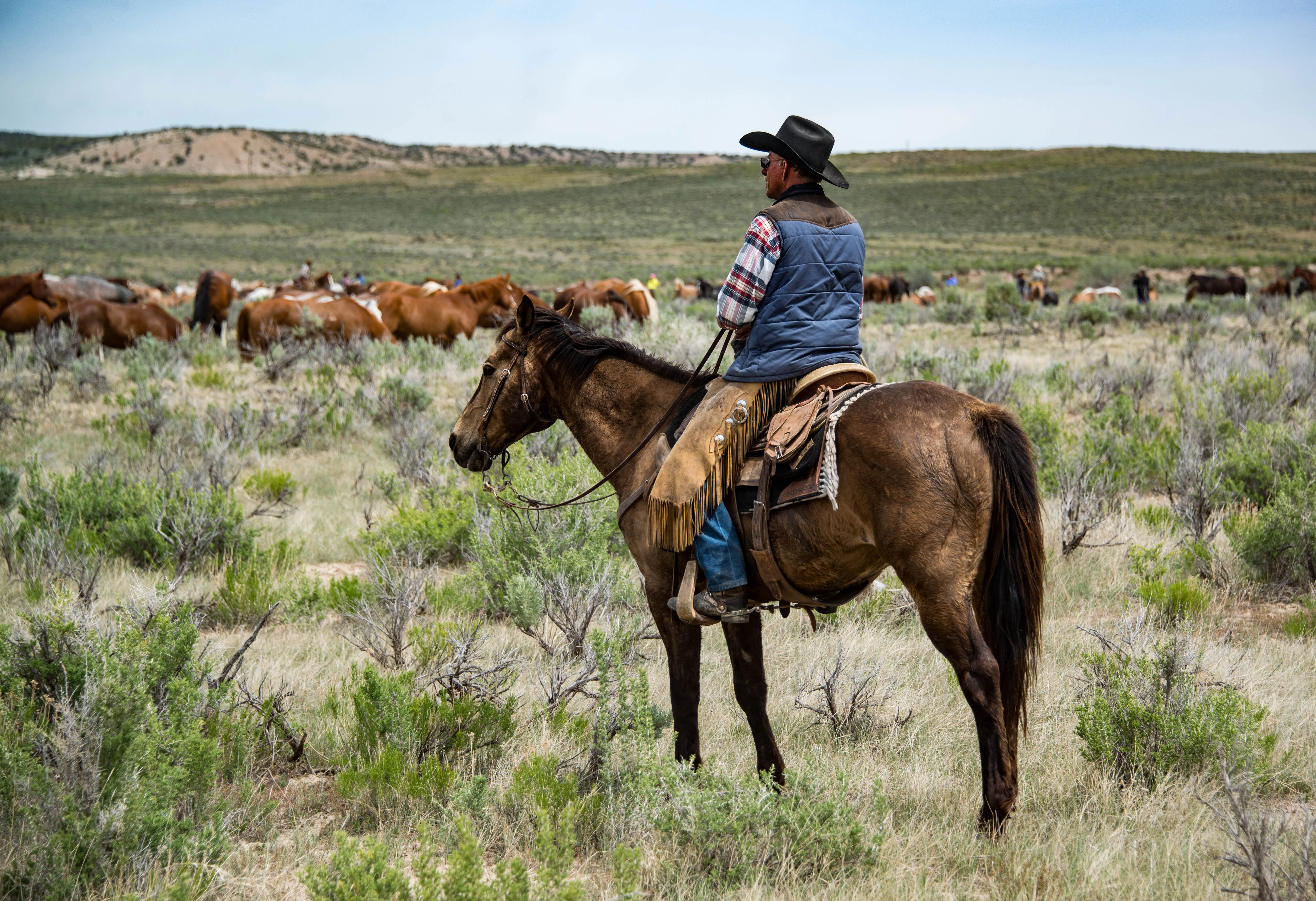
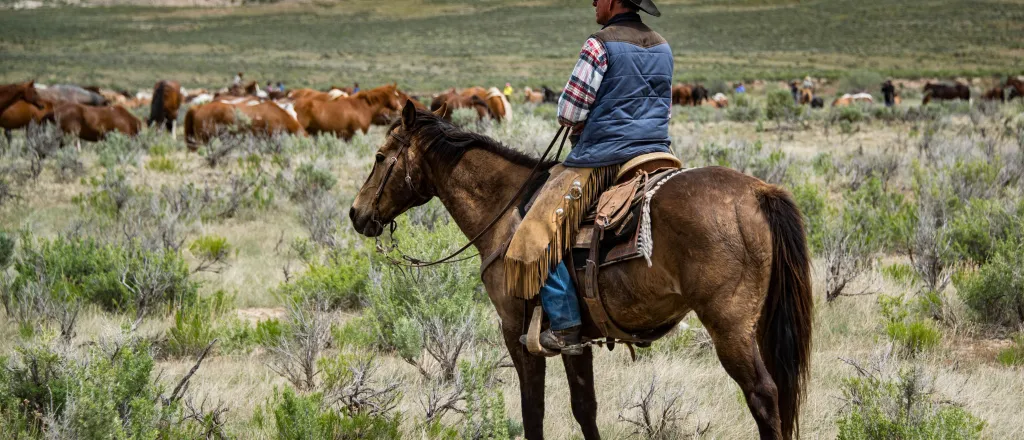
The plates help pay for proven tactics, including the use of range riders who work closely with ranchers to implement adaptive grazing practices and remove carcasses that attract wolves.