Daily Audio Newscast Afternoon Update - April 7, 2026

© INDU BACHKHETI - iStock-1336427297
News from around the nation.
Transcript
The Public News Service Tuesday afternoon update.
I'm Mike Clifford.
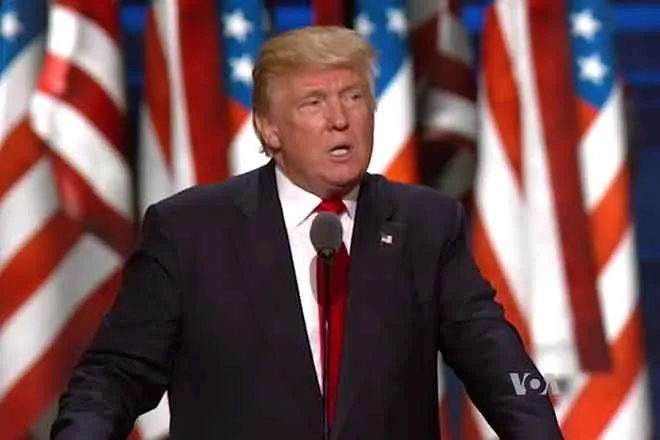
President Trump threatened to wipe out a whole civilization, and the U.S. hit military targets on Iran's main oil hub as the president ramps up pressure on Tehran to fully open the Strait of Hormuz or potentially face a wave of strikes on critical infrastructure in the coming hours.
The New York Times notes Trump issued the grave warning in a post on social media Tuesday as a new round of attacks was launched across the Middle East.
U.S. attacked Karg Island, the export hub, while Israel and Iran traded fresh attacks, and Israel's military warned Iranians to avoid traveling by train.
Meantime, communities in Ohio and across the nation could face significant setbacks to walking, biking, and hiking trails, as Congress considers the next Surface Transportation Act.
Our Nadia Ramlagan reports.
Current Biden-era funding expires this September.
Kevin White, public transportation manager for the city of Worcester, says federal dollars are critical for ensuring access to trails.
He adds the region is home to populations that depend on safe travel paths that offer protection from drivers, noting some surrounding counties have implemented extra-wide trails.
That gets the Amish buggies and some of the electric bikes off of our roads, and especially in the county we've got a lot of hilly ups and downs where there's a lot of gaps in visibility, so it is a major safety concern for our community.
Walking paths are also a safety issue.
According to data from the Governor's Highway Association, pedestrian deaths have reached a 40-year high.
And those who want to become farmers in New Mexico and other states face multiple barriers.
The Trump administration's cancellation of projects designed to help has left many shaking their heads.
Last month, the Department of Agriculture sent termination notices for 49 of 50 projects, which aim to improve opportunities for those just starting out.
The program, called Increasing Land Capital and Market Access, was meant to assist underserved farmers, ranchers, and forest landowners.
When it launched in 2023, Amanda Kohler started an information network for awardees.
She says its cancellation hurts the next generation of farmers and ranchers.
I know so many people who have farm dreams and are basically begging to be able to farm, and we're not doing nearly enough to address it.
I'm Roz Brown.
And as enrollment in alternative high schools continues to grow, some educators are drawing inspiration from the former group school in Cambridge, Massachusetts, where students were in charge.
Founding faculty member Adria Steinberg says learning environments work best when students help create them.
We had a community meeting where school-wide issues were argued about.
We had a lot of arguments and discussed and voted on, and where obviously teachers were way outnumbered by students.
Born out of 1960s social movements, the group school lets students shape arts-intensive curriculum with courses that explored issues of race and gender.
This story with original reporting by Michael Haas with reasons to be cheerful.
This is Public News Service.
The conflict in Iran has caused fuel prices to soar.
Washington State farmers say that hits them hard when they're putting crops in the ground.
Diesel prices have reached record highs with a statewide average over $6.50 a gallon.
Jason Vanderkoi, a farmer in Saget Valley, says the price hikes are coming right at the beginning of spring fieldwork.
We're really starting to go through some diesel.
When everything's rolling, we can go through 5,000 gallons in a week.
So the timing is just way off on this.
It's going to impact us quite a bit.
Van Der Kooij says during spring planting, fuel usage spiked five to seven times than normal usage.
His 2,200-acre farm has 1,300 milk cows and grows feed crops like grass born in alfalfa.
I'm Mark Richardson.
And April is Financial Literacy Month, and anti-poverty officials in South Dakota are doing their best to factor in more of this education for clients working themselves out of hardships.
Eric Kunzweiler leads Inner Lakes Community Action Partnership, which covers more than a dozen counties in east-central South Dakota.
He says helping people understand key aspects of handling their finances often comes up when case managers work with housing applicants.
A body of research shows systemic barriers keep this information out of reach for many, and Kunzweiler says it's something they see a lot of.
They do a pre-test and a post-test, and usually when they come in and do a pre-test on financial literacy, they score quite low.
By the time they go through this class, it's really eye-opening that they're in the upper 90s to 100 percent.
Kunzweiler says successful enrollees also have an easier path toward home ownership.
Interlakes Community Action and other offices around South Dakota just applied for a grant in hopes of taking this money education statewide, including an online portal.
I'm Mike Moen.
Finally, many rural folks in Tennessee count on local medical offices for affordable care, and a new federal payment rule could help dialysis patients maintain access to those services.
The 2026 Medicare Physician Fee Schedule boosts support for office-based procedures, including increased reimbursements for dialysis centers.
Dr. Omar Davis with Bluff City Vascular says low reimbursement rates have caused many clinics to close or sell out, driving patients back to hospital settings where they're more likely to have a catheter inserted.
He notes research from the Healthy People 2030 initiative showing a 25 percent increase in catheter use last year.
Our patients do better when they dialyze with a fistular graft versus a tunneled catheter.
Morbidity and mortality rates are significantly higher with catheters.
Unfortunately, there is a direct correlation with the decline in dedicated access centers and a rise in catheter rates.
Danielle Smith reporting.
This is Mike Clifford for Public News Service.
Member and listener supported.
Find our trust indicators at publicnewsservice.org.