Daily Audio Newscast Afternoon Update - June 1, 2026

© INDU BACHKHETI - iStock-1336427297
News from around the nation.
The US and Iran trade retaliatory attacks in the Middle East; Federal SNAP cuts already being felt in Texas; FEMA changes could leave more Kentucky communities at risk; Missouri union workers demand 'healthcare, not hate.'
Transcript
The Public News Service Monday Afternoon Update, I'm Mike Clifford.
The U.S. and Iran traded attacks over the last 24 hours in a statement U.S. command said it retaliated against Iran for shooting down an American drone in the area.
Fighter jets apparently attacked Iranian air defenses among other sites.
A short time later, Iranian state media reported the Revolutionary Guard had targeted a military base from which an American attack on a communications facility in southern Iran had originated.
The New York Times notes it's not immediately clear how the latest strikes would affect negotiations over a framework for a deal to end the war and lift Iran's effective blockade of the Strait of Hormuz.
Meantime, the One Big Beautiful Bill Act is already having an impact on the Supplemental Nutrition Assistance Program in Texas.
Advocates working to fight hunger in the states say they noticed a decline in participation after Congress passed a law last October.
The number of eligible SNAP participants enrolled in the program has since dropped by 400,000.
Jamie Olson with Feeding Texas says they feel immigrants in mixed status families aren't applying due to the fear of deportation.
And other eligible Texans aren't applying because of new work requirements.
Parents with children over the age of 14 and people age 55 to 64 are newly subject to these work requirements.
And then there were also some exemptions that were taken away for veterans, people experiencing homelessness.
I'm Frida Ross reporting.
Next, confusion about changes in federal emergency management agency policies have left many Kentucky communities wondering what aid or assistance is still available.
Arnadia Romlagan explains they're also concerned whether it will be supported by FEMA when the next disaster strikes.
Earlier this year, a federal judge in Massachusetts ordered FEMA to restart its Building Resilient Infrastructure and Communities Grant program.
It was slated to provide money to help communities implement hazard mitigation and resilience projects, explains Dana Kuhnlein with Reimagine Appalachia.
Essentially, this money goes towards raising dams, raising levees, updating sewage systems, really basic common-sense infrastructure improvements that make communities less vulnerable when flooding happens.
The Trump administration attempted to permanently cancel the grant program last year.
And a Missouri health care worker says she's facing an uncertain future after learning the outpatient clinic affiliated with St. Louis University's hospital where she works will close.
Anesthesia technician and SEIU member Zeta Rivas Padilla says her job will transfer from the clinic to the main hospital, but the move will dramatically affect her work-life balance.
It's trickling down to the workers who are losing jobs, but also with me being an immigrant, that funding is going towards things like ICE.
You know, I'm losing either way.
Members of the service employees of the International Union rallied in Washington last week under the banner, Health Care, Not Hate.
This is Public News Service.
The Trump administration has once again ordered the coal-fired Campbell Power Plant in West Michigan to remain open.
That despite Consumer Energy's plan to shut the plant down last Clean energy advocates say the move is unnecessary and will lead to higher consumer costs and more carbon pollution than renewable energy sources.
Michelle Solomon is the energy manager for the nonpartisan policy think tank Energy Innovation.
She calls the move a swift kick in the wallet for Michigan rate payers.
Electricity consumers are paying double for the electricity that they would need that's coming from this coal plant because they're already paying for the new resource in addition to now paying for the coal plant that's being kept online.
The state of Michigan, along with other states and environmental groups, has sued to block the Trump administration from using emergency powers to keep the plants open.
Solomon says keeping Campbell online is costing Michigan consumers an extra $180 million.
I'm Mark Richardson.
And Iowa farmers say the House version of the federal farm bill favors corporate ag interest over small operations.
The law is supposed to be updated every five years, but the current version has been in place since 2018.
The Farm Bill is among the largest and most sweeping pieces of legislation that Congress takes on.
Farm Action Executive Director Angela Huffman says the House proposal continues a disturbing trend of favoring large, factory-style producers over small, independent pastures.
She says local farms remain important to the nation's food supply.
A Farm Bill really needs to shift power back into the hands of farmers to grow healthy foods and not lock in more advantages for the largest corporations.
As it stands, the bill channels commodity and disaster funds to large ag operations and away from smaller ones.
It also cuts $187 billion from food and nutrition assistance programs, including SNAP.
The Senate could consider the measure this month.
I'm Mark Moran.
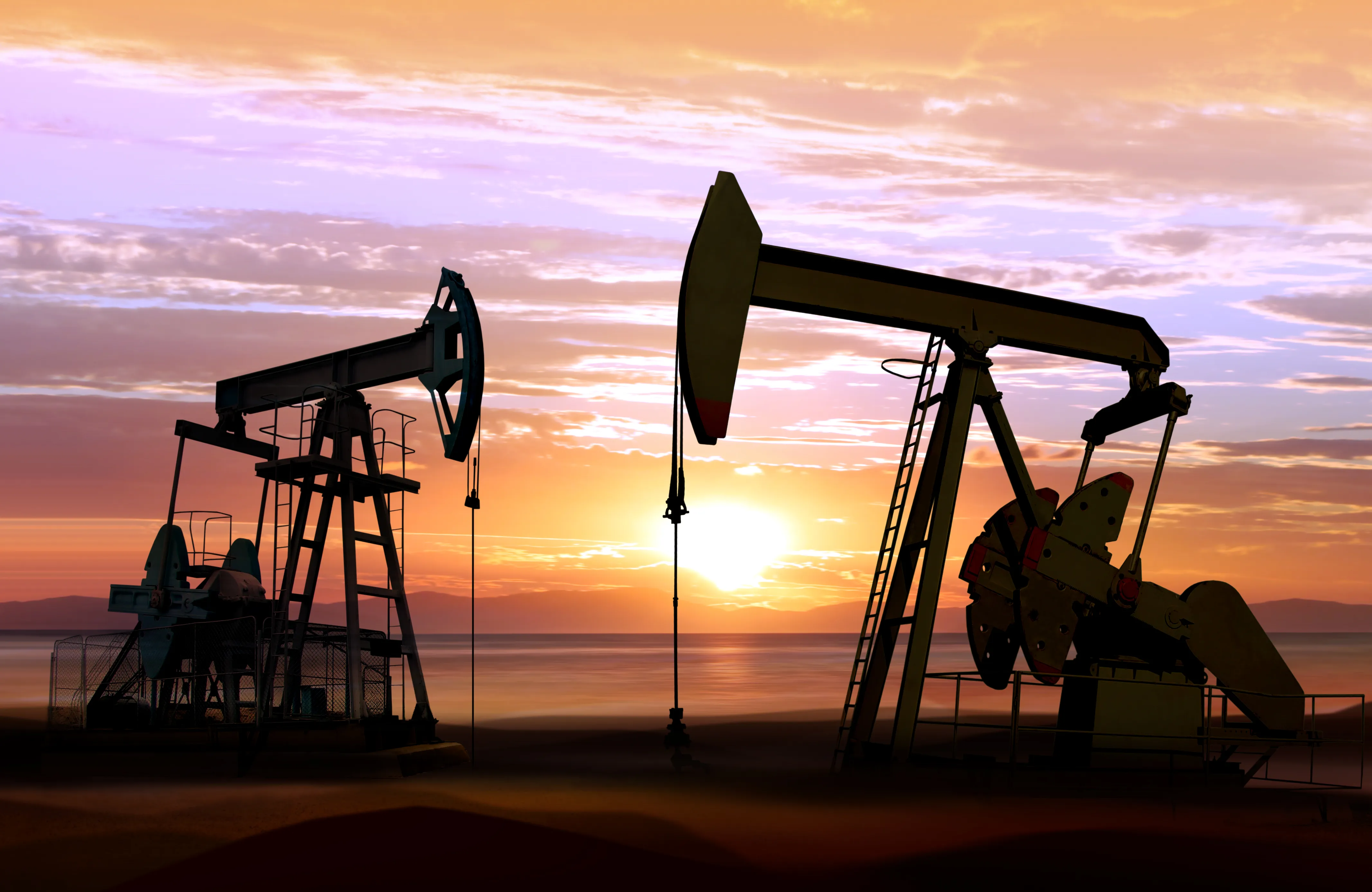
Finally, New Mexico has spent the past decade adopting stricter methane and greenhouse gas regulations for the state's booming oil and gas sector.
Now a bill before the Congress could upend that progress.
The Protect Domestic Oil and Gas Small Business Act of 2026, backed by two Republican lawmakers, would exempt low-producing marginal wells from federal oversight.
Supporters say small, independent energy producers shouldn't be burdened by federal methane requirements approved in 2024.
But Progress Now New Mexico's Energy Policy Director Lucas Herndon says wells owned by small operators often pollute the most.
In New Mexico, those are actually the ones that we find leaking more, venting more.
They are often older wells potentially producing as much, if not more, greenhouse gases overall.
I'm Roz Brown.
After Texas, New Mexico is the second largest producer of oil in the U.S. This is Mike Clifford for Public News Service, member and listener supported.
Find our trust indicators at publicnewsservice.org.