Daily Audio Newscast - August 5, 2026

© AlexLMX - iStock-823000260
Six minutes of news from around the nation.
Todd Blanche clears a Judiciary Committee hurdle on party lines, but now faces opposition from Maine GOP Senator Susan Collins; As South Dakota ages, experts say the long-term care system falls short; Older teens take charge in combating lake pests in Minnesota; Oregon expert: How to make sure wildfire insurance pays off.
TRANSCRIPT
The Public News Service daily newscast for August the 5th, 2026.
I'm Mike Clifford.
President Donald Trump's acting Attorney General, Todd Blanche, cleared the first hurdle in his quest.
The Senate Judiciary Committee narrowly approved Blanche's nomination as Attorney General Tuesday morning.
The AP notes and negotiations with GOP senators, Blanche rescinded a $1.8 billion fund meant to compensate President Donald Trump's political allies, but a sweeping audit immunity plan conferred on the president, his sons, and the Trump organization remains in place.
Potentially standing in the way, Maine GOP Senator Susan Collins, who now says she'll vote against his nomination, in a statement Collins said, While I believe Blanche is a capable lawyer, the Department of Justice has become increasingly political.
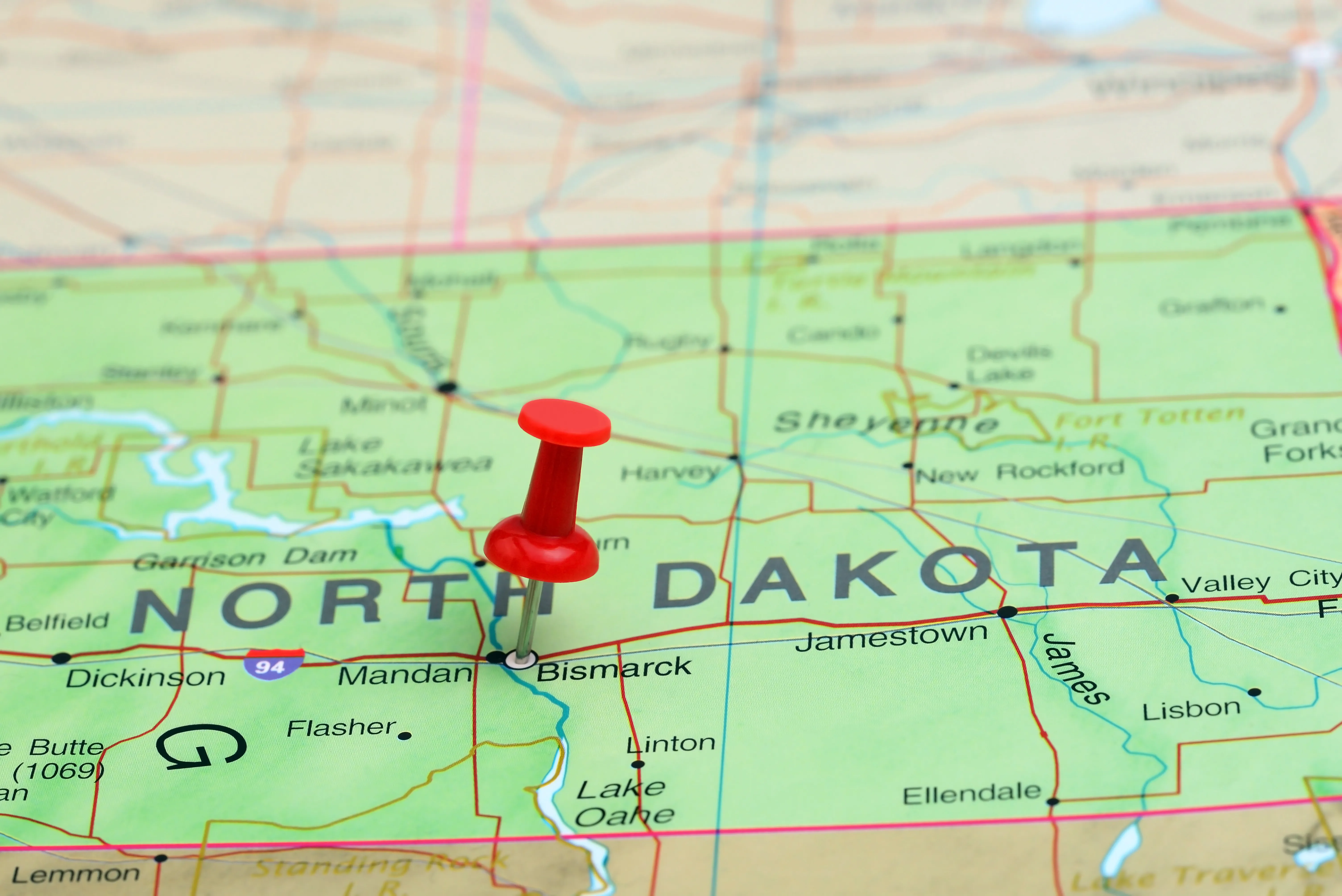
Meantime, adults 65 and older in South Dakota could outnumber children under 18 in less than a decade, and caregiving resources continue to face steep cuts.
Those working with seniors say the U.S. doesn't have a long-term care system to support aging adults.
Allison Barkoff is with the Hirsch Health Law and Policy Program at George Washington University.
She says more than 11,000 Americans are turning 65 each day and they're living longer, many past 80 years of age.
We know that the vast majority of people are going to need long-term care in their lifetime, more than 70 percent.
And the older people are, the more likely they are to have more significant long-term support needs.
The Republicans' One Big Beautiful Bill Act will slash nearly a trillion dollars for Medicaid over the next decade.
Low pay and high burnout add to the shortage of senior caregivers, along with the loss of immigrant workers, who have filled a major portion of direct care and nursing home positions in the past.
The U.S. Census Bureau predicts by 2034, adults age 65 and over will outnumber children under 18 for the first time in U.S. history.
I'm Laura Hatch reporting.
And the U.S. is in the middle of another slow summer job scene for teens.
For Minnesota youth, leaders in charge of combating invasive species in lakes say the work can be a career training game changer.
Minnesota provides aid to local jurisdictions to hire seasonal boat inspectors at lake access points.
The Department of Natural Resources helps with oversight as these staffers perform visual checks and educate boaters about preventing the spread of aquatic hitchhikers that disrupt lake ecosystems.
Nick Phelps leads the Minnesota Aquatic Invasive Species Research Center, and he performed this work as a college intern.
I made some bigger college and career decisions after that experience.
You know, it's a lot of experiences that are hard to replicate.
The group Minnesota Lakes and Rivers says county and tribal governments lean on state funding to send out more than 800 boat inspectors each summer, including older teens.
I'm Mike Moen.
This is Public News Service.
More than two million acres have burned in Oregon so far this year.
And with the increased risk of wildfire damage to homes and businesses, experts say now's the time to make people have their wildfire insurance set up to work for them.
Oregon Governor Tina Kotek has issued an emergency order stopping insurers from canceling policies in the next 30 days and giving anyone in wildfire evacuation zones more time to file claims.
Michelle Ledke with Oregon Consumer Justice says while insurance can feel overwhelming, the first step is to take a detailed inventory of your home and belongings.
They can start today.
They can do one room at a time.
There's apps and templates you can use.
You can also just use your phone camera feature and save that inventory up to a digital drive so you have access to it in the instances that you need it.
Ludke says Oregon Consumer Justice has released Insurance Coverage and Wildfires, a pocket-sized guide for consumers with clear steps and resources to safeguard their coverage before disasters occur.
People can download the free guide at ocj.org.
I'm Isobel Charle.
Next, a new initiative hopes to shed light on locations of poultry-based factory farms across the Tar Heel State.
Those leading the effort say it will help provide accountability and protect communities.
Unlike cattle or pork factory farms, there is little information in North Carolina about the locations and waste records of concentrated animal feeding operations, or CAFOs, related to chickens.
Using satellite imagery from all of North Carolina's counties, the EIEIO NOEFER aims to search and locate poultry CAFOs across the state.
Chris Lamont Brown with the North Carolina Environmental Justice Network says transparency is essential, especially to the marginalized communities that often neighbor such facilities.
It is our right for the public to know what hazards are entering our environment and how we can have a say in accountability to reduce the public health hazards of them.
And certainly for largely communities of color who are neighbors of these facilities.
I'm Zamone Perez.
Finally, a Washington coalition of environmental and climate groups are calling on the state's largest utility to reduce proposed rate hikes and do more to meet the state's clean energy goals.
Puget Sound Energy, which powers 10 counties in western and central Washington, is seeking to raise its electricity rates by nearly 30 percent and its gas rates by nearly 20 percent over the next three years.
Victor Zertucci is an attorney at Earth Justice, the firm representing the coalition joint environmental advocates.
He says while PSE deserves kudos for their financial support of clean energy, they should not be investing in outdated fossil fuel infrastructure.
For example, a big investment costing at least $600 million in Centralia to convert a coal-fired plant to a gas plant that would, over 17 years, cost ratepayers an extreme amount of money.
I'm Isobel Charle.
This is by Clifford for Public News Service.
Member and listener supporter.
Find our trust indicators at publicnewsservice.org.