Demand growing for volunteer peacekeepers in Washington

© sibway - iStock-1766290065
Click play to listen to this article.
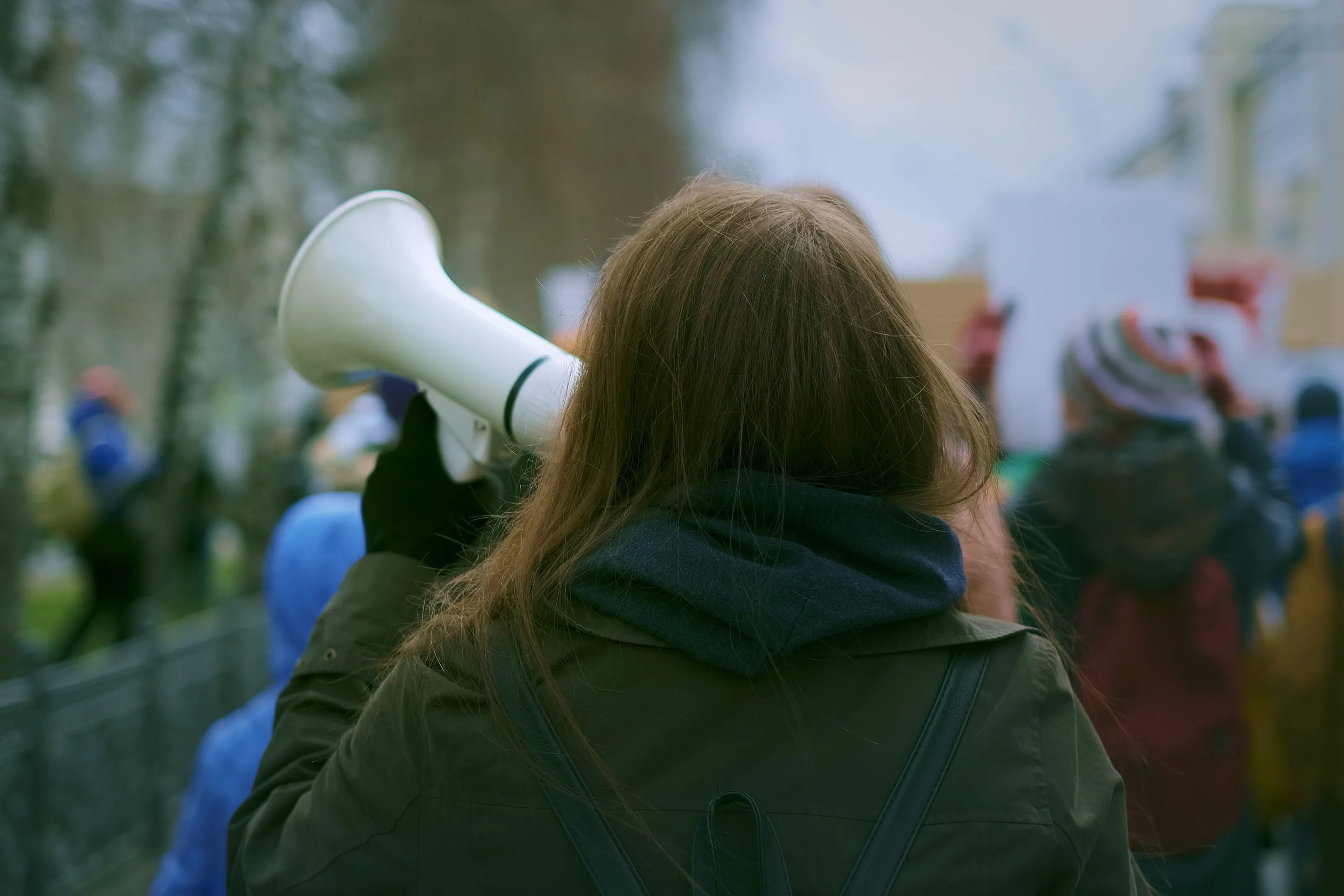
Amid the increased presence of federal law enforcement across the country, demand is growing for peacekeepers at protests and other events, and one Washington state nonprofit is stepping up to meet the need.
Peace and Justice Action League of Spokane has been training volunteers to help maintain a nonviolent atmosphere at protests and other events for years.
But now, Joe Stussi – peacekeeping coordinator with PJALS – said demand is increasing for volunteers to liaison with police, help direct crowds, and serve as a buffer between attendees and hecklers or counter-protesters.
"We never respond to aggression with aggression," said Stussi. "And frequently, event organizers have a strict non-engagement with counter-protesters that we can model. We're there to be unflappable and to be the calmest people in the room."
PJALS peacekeepers prioritize working with groups who they say are being targeted by people in power. These days, they say that largely means supporting Latino and immigrant-lead organizations facing increased federal immigration enforcement in the state, as well as queer and trans communities.
James McShane has been a volunteer peacekeeper for nine months. He said volunteers are asked to attend a range of gatherings including book signings and community events.
He said now's the time for people to show up and support causes that they care about.
"Sometimes people worry about counter protesters and their safety," said McShane, "so I at least hope that my presence encourages even one person to feel safe enough to come out."
Volunteer peacekeepers go through a four-hour training covering general do's and don'ts for practicing nonviolent conflict de-escalation. Organizers say requests for training are now coming from groups across the region, and PJALS is in the process of expanding the program.