EarthTalk - How do we reduce food insecurity without increasing food waste?

©
Dear EarthTalk:
How do we reduce food insecurity without increasing food waste
D.A., via email
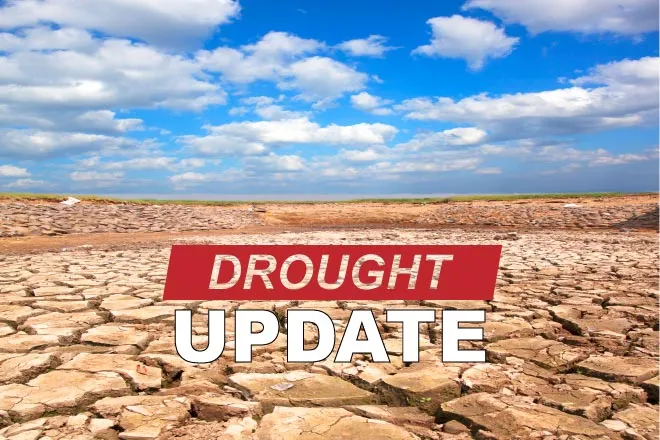
Food insecurity, the lacking of access to adequate food, is a prevalent global issue. According to a study conducted by the United States Department of Agriculture (USDA), 1.3 billion people experienced food insecurity in 2022. And it is experienced in varying degrees; some experience food insecurity as not having enough to eat; others need to sacrifice nutritional value. Food insecurity has many climate-related causes. For example, extreme weather and natural disasters impact crop production, and pollutants make soil no longer fertile, ultimately decreasing the amount of viable, nutritional food available.
© Pixabay - skeeze
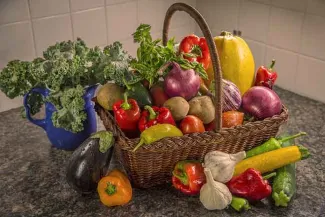
The best way to improve food security is to decrease personal waste. Slight changes in cooking, buying and disposal practices can reduce food waste and, subsequently, food insecurity. Planning meals at the beginning of the week allows individuals to gauge exactly how much food they will need to buy and eliminate the possibility of waste. Freezing leftovers or unused ingredients and using food scraps for another purpose, like pickling vegetables that are not as fresh, are great alternatives to food disposal. “The waste of one player is a raw material for another,” says Yana Pannecoucke, a program manager for Get Wasted, which focuses on reducing food waste. “For example, a lime that’s too yellow or a carrot that has an ugly shape might not fit the criteria of a supermarket but is perfectly healthy for human consumption.”
Improved agricultural practices can also help to increase food security. Vertical farming allows farmers to grow crops in tightly-packed layers rather than space-consuming rows. “This is a way to learn new technology and mass produce crops...,” says Dan Hilarides, manager of Vertical Acres. Also, improving post-harvest conditions can decrease crop loss. Utilizing cold storage warehouses and facilities and improving the efficiency of transportation help to keep food fresh.
Education, especially for children and youth, is a particularly impactful global initiative when it comes to improving food security. Organizations around the world increasing awareness about food insecurity, meal preparation and sustainable food markets. “Our educational programs support student learning about complex food issues and teach them how to advocate for themselves and their communities,” says Keren Dalyot, implementation leader at FoodEducators, a startup working towards increasing food security.
More and more people are working together to advocate for food insecure communities and increase food availability. If you are interested in improving food security, try out one of the food waste-reducing methods above, educate families and friends about ways they can help, or support organizations educating the next generation about food insecurity.
CONTACTS
- World Economic Forum, https://www.weforum.org/stories/2023/09/7-ways-to-boost-food-security-in-the-face-of-climate-change/.
EarthTalk® is produced by Roddy Scheer & Doug Moss for the 501(c)3 nonprofit EarthTalk. See more athttps://emagazine.com. To donate, visit https://earthtalk.org. Send questions to: question@earthtalk.org.