EarthTalk – How does Bulgaria transition from coal? What hurdles remain?

©
Dear EarthTalk:
How is Bulgaria moving away from coal and toward cleaner energy, and what challenges are standing in the way?
Ivan Dimitrov, Mount Prospect, IL
For decades, Bulgaria’s domestic energy landscape has been anchored by its nuclear capabilities and vast lignite coal reserves, particularly at the Maritsa East complex—one of the largest open-pit coal operations in Europe. However, escalating costs for European Union greenhouse gas emission certificates and shifting geopolitical dynamics have forced a structural reevaluation. The country is moving away from traditional state-guaranteed feed-in tariffs toward a highly competitive, subsidy-free merchant market.
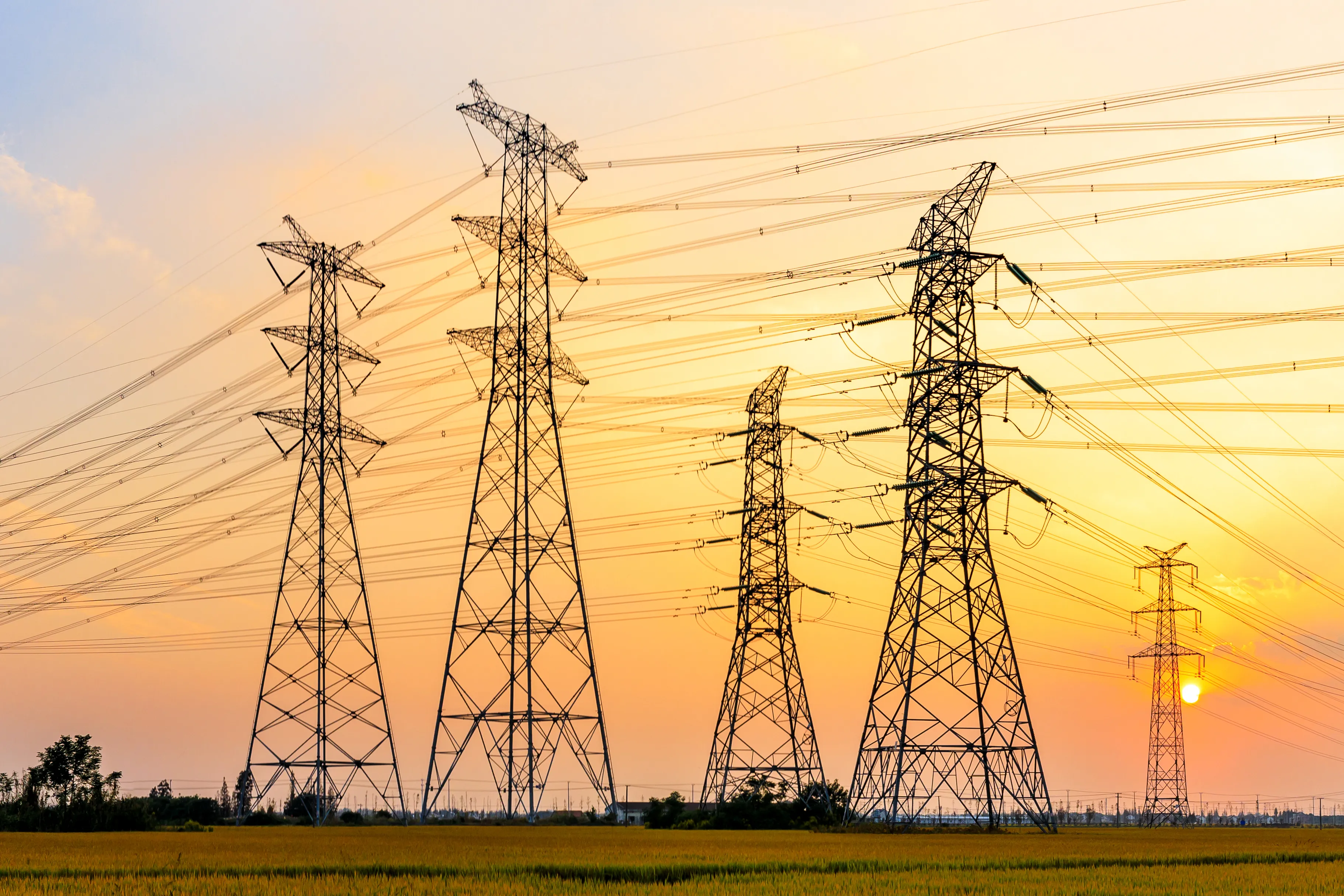
However, the primary bottleneck to Eastern Europe's green transition is no longer a lack of investment capital, but rather insufficient grid absorption capacity and regulatory red tape. Bulgaria’s aging electricity network was not designed to handle large amounts of variable solar and wind power. To prevent speculative developers from hoarding grid capacity without building projects, Bulgaria introduced reforms to its Renewable Energy Sources Act. These changes mandate a financial guarantee of roughly €25,500 per MW for new grid applications and establish fast-track, 12-month administrative pipelines for priority wind and solar infrastructure.
Simultaneously, the integration of Battery Energy Storage Systems (BESS) has emerged as a critical technical defense against grid instability. Supported by the EU’s National Recovery and Resilience Plan (NRRP), the country is working to commission over 1,000 MW of co-located storage alongside 2,660 MW of new renewable capacity. In an energy security briefing for the Center for the Study of Democracy, analyst Martin Vladimirov emphasized that the grid requires storage assets to prevent midday congestion. These utility-scale batteries are designed to capture excess midday solar generation and discharge it during peak evening hours, mitigating grid congestion that stifles regional energy trading.
Transitioning to a clean energy economy also carries socioeconomic risks. The Maritsa East mining region supports thousands of livelihoods. To prevent economic marginalization, the Bulgarian Ministry of Energy is utilizing the European Investment Bank’s (EIB) Just Transition Mechanism. This strategic framework focuses on land reclamation, economic diversification, and retraining programs to pivot skilled coal miners toward positions in green hydrogen development, grid digitalization, and sustainable manufacturing. The challenge reflects a dilemma across Eastern Europe: countries must cut carbon emissions without sacrificing reliable electricity, affordable energy or the economic security of communities that have depended on coal for generations.
Everyday people can advance progress by encouraging local authorities to establish regulatory frameworks for rooftop solar cooperatives, allowing neighborhoods to generate and share power locally. Citizens can collaborate with technical universities and trade schools to support curricula for green energy infrastructure jobs. Ultimately, Bulgaria’s experience shows that replacing coal is not a matter of installing more solar panels and wind turbines. The harder task is modernizing the grid, adding storage and ensuring that workers and communities tied to the old energy economy have a meaningful place in the new one.
CONTACTS
- Bulgaria Ministry of Energy, me.government.bg.
- Electricity System Operator (ESO) of Bulgaria, www.eso.bg.
- European Investment Bank (EIB) Just Transition Advisory, www.eib.org.
EarthTalk® is produced by Roddy Scheer & Doug Moss for the 501(c)3 nonprofit EarthTalk. See more at https://emagazine.com. To donate, visit https://earthtalk.org. Send questions to: question@earthtalk.org.