Flu season is near — here’s a guide to available vaccines

The number of people sick with flu is starting to increase across the United States, with health authorities warning that in some western regions of the country, the 2026-27 flu season may be off to an early start.
About a year ago, a Nebraska-developed universal flu vaccine showed promise toward ending the need for annual shots, offering a glimpse at where influenza prevention may be heading.
Health authorities often advise people to get their flu vaccine by the end of October – but as an epidemiologist focusing on vaccines and infectious diseases, I see the uptick in activity as a sign that there’s no time like the present.
Several vaccine options are available, including the new mRNA influenza vaccine, approved by the Food and Drug Administration in August 2026.
Seasonal patterns
As of September 26, the latest date for which data is available, seasonal influenza activity remains low nationally, and wastewater surveillance still shows very low to low activity in most states.
However, the number of patients with respiratory infections who were testing positive began increasing near the end of September, suggesting that influenza viruses are beginning to circulate more widely.

© iStock - peterschreiber
In the U.S., influenza typically starts to circulate during the fall and often peaks sometime between December and February. Factors such as which flu viruses are spreading, how closely those viruses resemble the ones targeted by the vaccine, and how much immunity exists in the community can all influence the timing, severity and overall impact of a flu season.
The Centers for Disease Control and Prevention classified the 2025-2026 flu season as moderately severe, with over 32 million cases, 390,000 hospitalizations and up to 81,000 deaths. Flu cases increased in November and quickly peaked in December.
Health authorities partly attributed the moderately severe season to low flu vaccination rates and poor match to last season’s vaccine.
Available flu vaccines
The CDC has released interim guidelines for this year’s flu season, recommending flu vaccines for most adults and children age 6 months and older. The American Academy of Pediatricians, the American College of Obstetricians and Gynecologists, the American Academy of Family Physicians and the Infectious Diseases Society of America also recommend flu vaccines for children and adults this year.
Enhanced vaccines – including higher dose and lab-grown vaccines as well as vaccines containing ingredients that help the body produce a stronger immune response – are available for adults age 65 years and up and are designed to provide stronger immune responses. All are administered as injections.
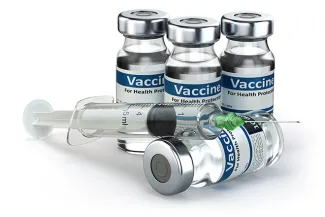
© iStock - Bet_Noire
Additional options include FluMist, a nasal spray vaccine approved for people age 2 through 49 – which may be preferable to those who want to avoid a shot.
Flucelvax is a flu vaccine made using mammalian cells rather than eggs that is approved for people 6 months and older. However, people with an egg allergy can receive any flu vaccine – even ones produced in eggs.
One new option this year is mFLUSIVA, the first mRNA-based influenza vaccine, approved by the FDA for adults age 50 and older. Because mFLUSIVA is so new, many vaccination sites may not yet offer it. People interested in receiving this vaccine should check with their local pharmacy, healthcare provider or Moderna’s online vaccine locator for availability.
Talk with your doctor or healthcare provider if you have any questions about what vaccines are best for you and your family.
Special protection
Many people who are at higher risk of severe flu are also at higher risk of severe COVID-19, and the virus causing COVID-19 continues to circulate. Updated COVID-19 vaccines became available in September and can be given at the same clinic visit with the flu vaccine.
Because it takes about two weeks for protection to develop after vaccination, getting vaccinated before flu activity becomes widespread provides the best chance of being protected when exposure risk increases.
This year, all three components of the influenza vaccines were updated to better match the viruses expected to circulate during the 2026-27 flu season.
While influenza vaccine effectiveness varies from year to year, vaccination consistently reduces the risk and severity of influenza illness. If the flu viruses don’t change much over the course of the season, this year’s vaccines should provide protection that is similar to or better than what we’ve seen in recent years.
This article is republished from The Conversation under a Creative Commons license. Read the original article.