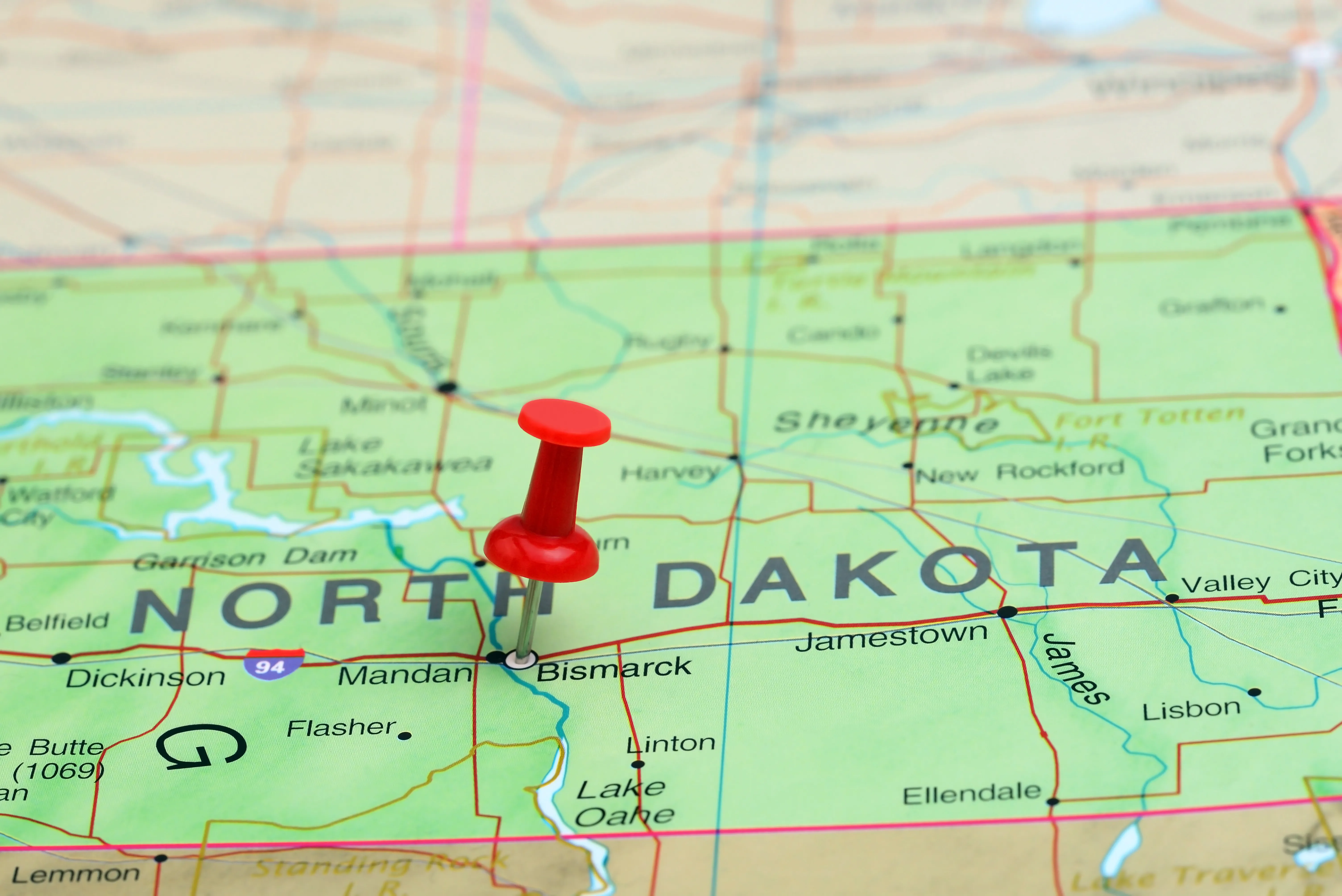
New research finds North Dakota keeps data center tax breaks hidden

As North Dakota emerges as a high-growth hub for data centers, recent reporting shows the state is among at least 14 others failing to disclose the amount of money the facilities save from tax breaks. Researchers are now calling for greater transparency.
Supporters of data centers argued they are good for economic development, bringing high-paying jobs, tax revenue and capital investment to communities, with many states giving special tax breaks to companies building them.
Kasia Tarczynska, senior research analyst for the policy resource center Good Jobs First, said the industry continues to lack transparency and states like North Dakota are withholding how much money is going to tax breaks for the facilities.
"Some states are doing a little bit better job than other states," Tarczynska acknowledged. "But generally speaking, states in (the) Midwest really need to step up and disclose way more information about data center subsidies because the transparency is quite poor."
Tarczynska pointed out in states providing annual incentives for local facilities, revenue losses are soaring, with three states already losing $1 billion or more per year. She noted most failures to disclose financial information violate the Generally Accepted Accounting Principles set forth by the federal Governmental Accounting Standards Board.
North Dakota lawmakers are increasingly working to regulate and manage the rapid growth of data centers. There are currently 23 facilities in the state, according to Data Center Map, which tracks developments across the U.S.
Tarczynska stressed data centers often do not pay sales taxes on equipment like servers, computers and cooling systems due to state-level economic development incentives.
"Every time a regular person goes to a store and buys a computer, we pay sales tax," Tarczynska added. "That goes to the state budget, and that money supports public services, supports infrastructure development, supports schools, public healthcare programs and so on."
Tarczynska emphasized many communities do not know they're losing out on money which could be going to public services. A bill to include data centers within the regulatory framework of the state’s Public Service Commission was previously introduced but died in committee this month. While the agency regulates the power infrastructure serving the facilities, it currently has limited authority over data centers.