Political shift raises questions about Idaho's nuclear campus bid

© Vital Hil - iStock-1461437060
With congressional control switching to Democrats in January, Idaho's selection for a new nuclear energy center could be in limbo.
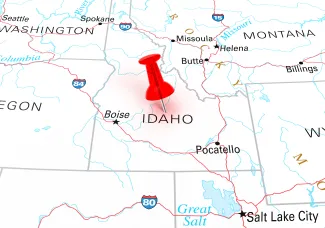
Idaho is one of five finalists for a Nuclear Lifecycle Innovation Campus, which the federal government says would streamline the country's nuclear energy development. The U.S. Department of Energy was supposed to name three states to receive a new project at the end of September but it did not happen.
Jim Jones, former Idaho attorney general, said because of the election, what happens next is unclear.
"With Congress getting reorganized and the majority control flipping, I think that nuclear energy's probably not going to be on anybody's high priority list," Jones observed.
Nuclear energy has become less of a partisan issue in recent years but is still often debated. Critics, including Jones, have raised concerns about water use and risks to the Eastern Snake Plain Aquifer — Idaho's largest — plus the possibility the proposed campus could fuel data centers. The largest outcry has been over nuclear waste storage and the lack of clarity on how much nuclear waste Idaho would have to accept and where it would go.
Proponents said the project could bring billions of dollars and thousands of jobs to Idaho, and would help meet future energy needs. Nuclear is also considered an effective way to reduce carbon pollution.

© iStock
Leigh Ford, director of the nuclear watchdog group the Snake River Alliance, believes the lame-duck Congress could try to change nuclear waste management policy to make it easier to bring the campus to Idaho. On the state level, she is not expecting anything different with Governor Brad Little winning reelection. He signed a memorandum of understanding in July to start negotiations with the federal government.
"I don't think there would be any changes in Idaho. I think it'll be up to people to say, 'No, we don't want nuclear waste in Idaho over our aquifer or in deep borehole storage,' and tell the governor that we oppose this," Ford emphasized.
Ford pointed to a "Don't Waste Idaho" petition as a way for people to signal their opposition. She is hoping to deliver it to the governor and attorney general in December. The Snake River Alliance is also co-hosting a data center webinar November 12, at 6 p.m. Ford added she will discuss possible plans for the innovation campus to help power data centers.