Politics: 2026Talks - March 17, 2026

© Arkadiusz Warguła - iStock-1890683226
Politics and views in the United States
NATO allies refuse to help protect shipping in the Strait of Hormuz and risk becoming involved in the U.S.-Iran War. Illinois voters consider opting into a school choice tax credit program. And a new Farm Bill proposal would shield pesticide companies from regulations.
Transcript
Welcome to 2026 Talks, where we're following our democracy in historic times.
While taking the necessary action to defend ourselves and our allies, we will not be drawn into the wider war.
British Prime Minister Keir Starmer doesn't want to get into the war with Iran.
President Donald Trump's demanding NATO, the EU, and others help reopen the Strait of Hormuz to ease oil and gas prices.
But even Asian nations like China and Japan, dependent on the shipments, seem unlikely to send warships.
Like many, Starmer says the UK will pursue diplomacy to end the conflict, which could further inflame the Middle East.
Iran had in fact been able to increase its own oil shipments, even as it's blocking other tankers.
U.S. airstrikes hit Karg Island, the terminal for most of Iran's oil exports, which could cripple that, but at the cost of more retaliation on neighboring Gulf countries.
Senate Minority Leader Chuck Schumer says the White House is operating without a plan and will make things worse before they get better.
Brent crude is once again above $100 a barrel.
Right now, gas is $3.70 at the pump.
Oil executives told the White House last week, no matter what happens next, prices are likely to rise even higher in the weeks ahead.
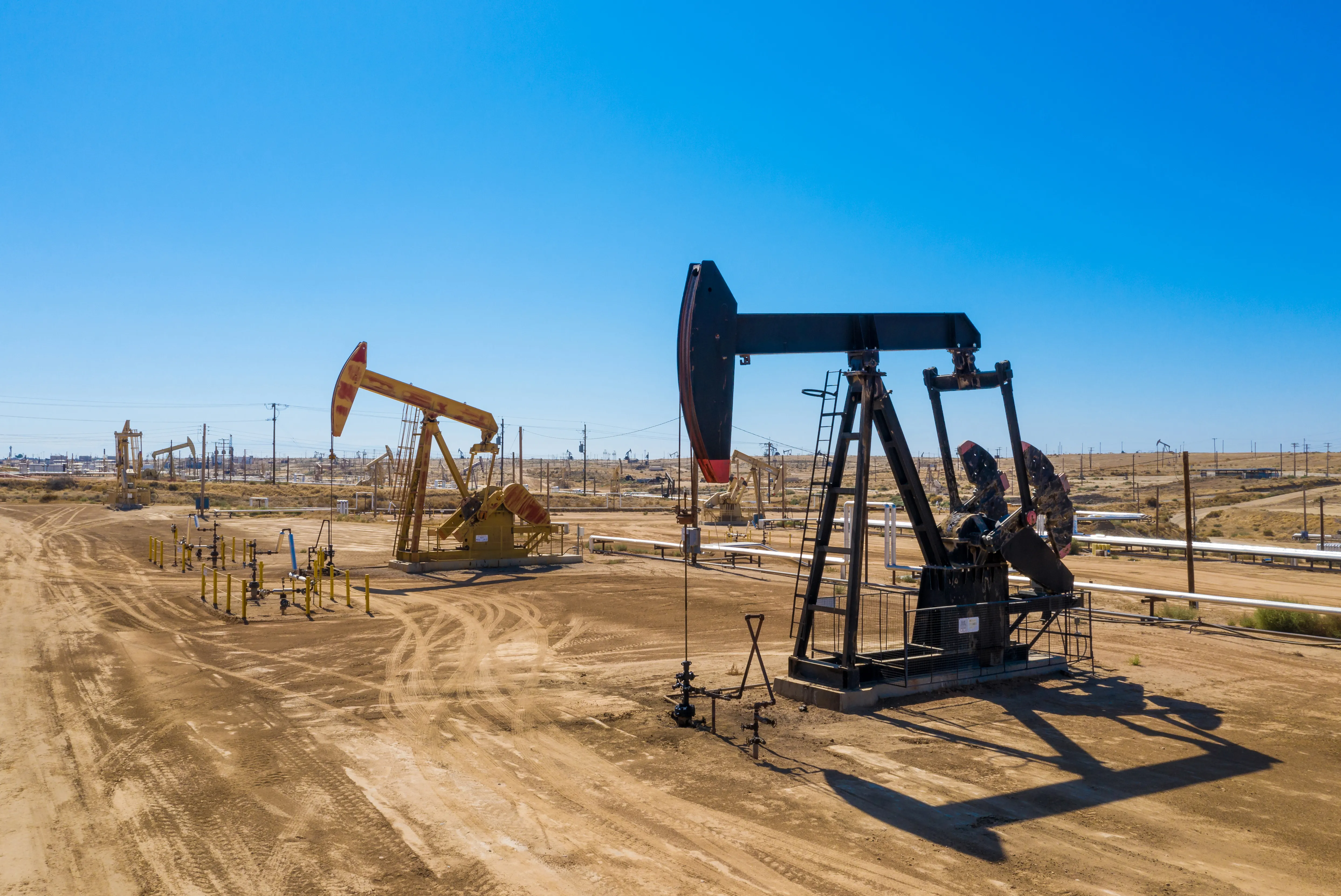
California's Santa Ynez oil pipeline is officially reopened after the administration used a Cold War-era law designed to increase wartime production.
State lawmakers are decrying the decision since the pipeline caused one of the largest spills in California's history.
Trump allies in the Senate say they're preparing to hold the floor continuously in an attempt to force passage of the Save America Act, a strict voter ID proposal.
Voters in Illinois are weighing whether the state should opt into the federal school choice tax credit program.
The ballot question in 30 counties won't be binding, but supporters hope it'll show statewide support for giving tax money to private and homeschooled students.
University of Illinois professor emeritus Dick Simpson says they want to sway the governor ahead of an opt-in deadline next January, but he says the local votes have a critical limitation.
Because it's not being held in the most important democratic areas of the state, and it's primarily in counties that are Republican, that has less power.
Opponents say it would divert funds from public education and disproportionately benefit the wealthy.
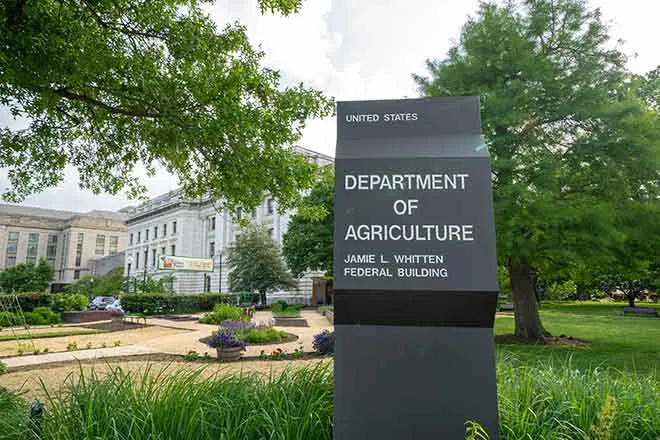
The Trump administration is pushing for increased production of pesticides like glyphosate, which European regulators say causes cancer.
And a new Farm Bill proposal would shield pesticide companies from liability and limit states' ability to impose safety requirements.
Brett Hartle is with the Center for Biological Diversity.
The Farm Bill basically seeks to immunize pesticide companies from that duty to warn.
There's a lot of pesticides that are dangerous.
They can cause very serious harm, including potentially cancers.
States like Georgia are enacting laws aligning with the stricter current standards, But Hartle says the new Farm Bill language would also loosen chemical company accountability, delay protections for endangered species, and allow unchecked discharge of the harmful pesticides in the environment.
I'm Edwin J. Viera.
For Pacifica Network and Public News Service, find our trust indicators at publicnewsservice.org.