
Research identifies ongoing abuse of incarcerated Wyoming youth

© Akarawut Lohacharoenvanich - iStock-1436012592
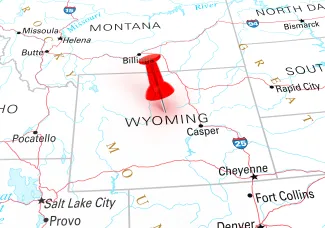
A new report documented evidence of systemic and recurring abuse inside juvenile justice facilities over the last decade in Wyoming and across 40 other states and the District of Columbia.
The report from the nonprofit advocacy group The Sentencing Project cited one lawsuit exposing serious abuses at the Wyoming Boys School just south of Worland.
Joshua Rovner, senior research analyst for project, said instead of protecting young people in custody, abuses in juvenile detention facilities are both common and frequent.
"Whether violence against youth, whether it's staff who look the other way while youth harmed other youth or even encouraged it. We also saw overuse of solitary confinement as a form of punishment," Rovner reported.
Last week, a jury in Casper awarded a plaintiff in the Wyoming lawsuit $6 million for punitive isolation, including one 15-day stay in solitary confinement. Defense lawyers argued confinement was necessary to keep the plaintiff and staff safe. Another plaintiff in the ongoing case with multiple disabilities was reportedly placed in solitary on 30 occasions, including stays of 30 and 45 days. He was strapped into a restraint chair at the wrists, ankles and midsection, unable to move for up to 12 hours per day.
Rovner pointed out such abuses are disproportionately affecting youth of color, noting Black youth are 5.5 times more likely to be incarcerated than their white peers.
"That's not due to differences in behavior. That's due to differences in the fact that we are willing to give second chances to white youth that we are not willing to give to youth of color," Rovner asserted.
The report’s top recommendation is only to use incarceration as a last resort. Youths who are locked up are much more likely to be re-arrested as adults. Incarceration also blocks healthy brain development, which would otherwise naturally reduce delinquent behaviors. Rovner added most kids do not pose safety risks to their communities and could be diverted to programs with better track records for success.
"The majority of youth held on a typical day are not there on violent offenses. And until we can prove that children are safe while being held there, we need to do everything that we can to invest in alternatives to incarceration," Rovner urged.