Second objection filed to rejection of state question for open primaries in Oklahoma

© Svanblar iStock-146069215
A second objection has been filed with the Oklahoma Supreme Court challenging the rejection of thousands of signatures collected for a state question for open primaries.
Filed Wednesday by attorney Mark D.G. Sanders, the objection argues the Legislature is “killing off” Oklahoma’s initiative petition process through burdensome mandates and that Secretary of State Benjamin Lepak’s signature “purge” is both unprecedented and unconstitutional.
Lepak in March rejected the open primaries initiative petition and said it fell short of the required number of valid signatures. While supporters submitted over 209,000 signatures, more than the required 172,993, Lepak only found 142,567 of those valid.
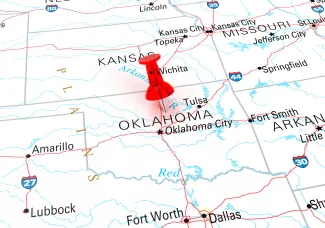
State Question 836 seeks to place all candidates in a race on a single primary ballot with their party affiliation listed and voters would be able to select any one candidate with the top two vote earners advancing to the general election. Oklahoma law currently bars independent voters from voting in partisan primaries unless the party files paperwork to allow it.
The first challenge came June 1, which argued it wasn’t plausible that a quarter signatures weren’t legal voters, that the state failed to provide transparency on why the signatures are insufficient and the signature verification process is an unconstitutional burden. The state has provided only the number of signatures that were rejected, according to the initial challenge.
Lepak’s office did not return a request for comment by the time of publication Friday.
After the first objection was filed, Lepak told Oklahoma Voice that his office diligently and thoroughly verified signatures and he stands by the signature verification they submitted to the state Supreme Court.
Sanders argues that the Legislature does not have the authority to enact some of the mandates on the initiative petition process that it has in recent years.
In 2024, the Legislature passed a law requiring at least four of five voter data points be verified for a signature to be considered valid, rather than the previously required three points. Those include legal first name, legal last name, zip code, house number, numerical month and date of birth.
Lawmakers last year further limited the initiative petition process by creating additional barriers to becoming a petition circulator and forcing signature collection in more rural areas in the state rather than focusing on high-population areas like the Oklahoma City and Tulsa metros.
Exclusion based on data points is improper because the Legislature enacting a data point matching threshold was unconstitutional, Sanders wrote.
Lepak’s signature rejection should be found “null and void because the standards established by the Legislature for that tabulation are unconstitutional,” he wrote.
“The Framers of the Oklahoma Constitution are rolling in their graves,” Sanders wrote in his objection. “Little could they have imagined that the limited license they granted to the Legislature to ‘carry forward’ the purposes of the initiative petition would, over a century later, be wielded to kill off the Initiative as an effective tool for the People’s retained power to modify the State Constitution.”
Sanders wrote that he is one of the over 200,000 Oklahomans who signed the petition and he doesn’t know if his signature was one of the disqualified signatures because the state has not been transparent about which signatures were considered invalid and why.
He also argues that the digital verification of signatures based on data points unduly burdens the process and violates the right to equal protection under the law.
“In enacting the Digital Overhaul for purposes that are highly suspect and subject to exacting scrutiny, the Oklahoma Legislature has chosen to combat what it believes to be ill-advised citizen-initiated policy, not through persuasion on the merits in the public square, but by throttling citizens’ use of their fundamental Initiative power in the first place,” Sanders wrote in his objection.
Sanders asks the state’s high court to find the number of collected signatures enough to put SQ836 on the ballot before voters.
Oral arguments for both objections are set for 10:30 a.m. July 14 at the Oklahoma Judicial Center in front of an Oklahoma Supreme Court referee.