Texas Tech researchers to develop statewide flood warning system

Click play to listen to this article.
Texas Tech professors are developing a unique flood forecasting system for the state – and specifically for the Texas Hill Country.
The system will be similar to the West Texas Mesonet, which consists of 170 weather stations across the western half of the state.
Brian Hirth is a research professor at the National Wind Institute at Texas Tech, and the lead researcher on the project. He said the system will forecast rain events as well as take measurements during storms.
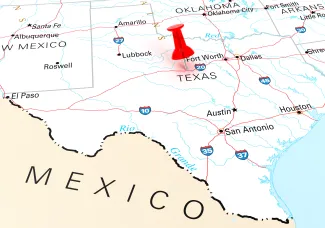
"There are several National Weather Service radars all across the region, but there are some big holes in the Hill Country, especially in the lower part of the atmosphere, that those radars can’t see," said Hirth. "We know where those holes are, we’ve identified places that we can deploy new radar systems to help fill those gaps."
The Texas Legislature approved funding for the project this year to address flooding and warning systems across the state. The move comes after the deadly July 4 flooding in Central Texas that killed 25 campers and two camp counselors.
Two mesonet stations have already been constructed in Kerr County. Hirth said they’re developing a new forecast system that will take data from a storm and predict what will happen six hours into the future.
"As the events are occurring, we will be measuring them with new weather stations, new rain gauges, new radar systems," said Hirth. "But then also, we’ll be ahead of the events – forecasting their occurrence with new weather modeling that we'll be also developing, and implementing and running."
Researchers have identified 30 potential radar sites across Central Texas. Hirth said when the two-year project is completed, Texas will be a national leader in how to prepare for and respond to high-impact weather events.