Washington millionaire: Higher taxes won't send me packing

© Pogonici - iStock
As the debate over Washington's Millionaires Tax heats up ahead of a November vote, a new analysis estimated less than 2% of wealthy Washingtonians will likely relocate to avoid paying.
Set to take effect next year, the measure places a nearly 10% charge on income over $1 million. Less than 1% of Washington's population qualifies to pay the tax, almost all of whom are in Seattle and its suburbs.
Bryan Kirschner expects to be one of them. He works in artificial intelligence and said he is not going anywhere.
"If you look at the other big tech hubs, they all pay way more in taxes than we do, and life goes on. My colleagues in Massachusetts and in New York and California aren't bemoaning their fate living in tents. They're doing just fine, and we will too," Kirschner contended.
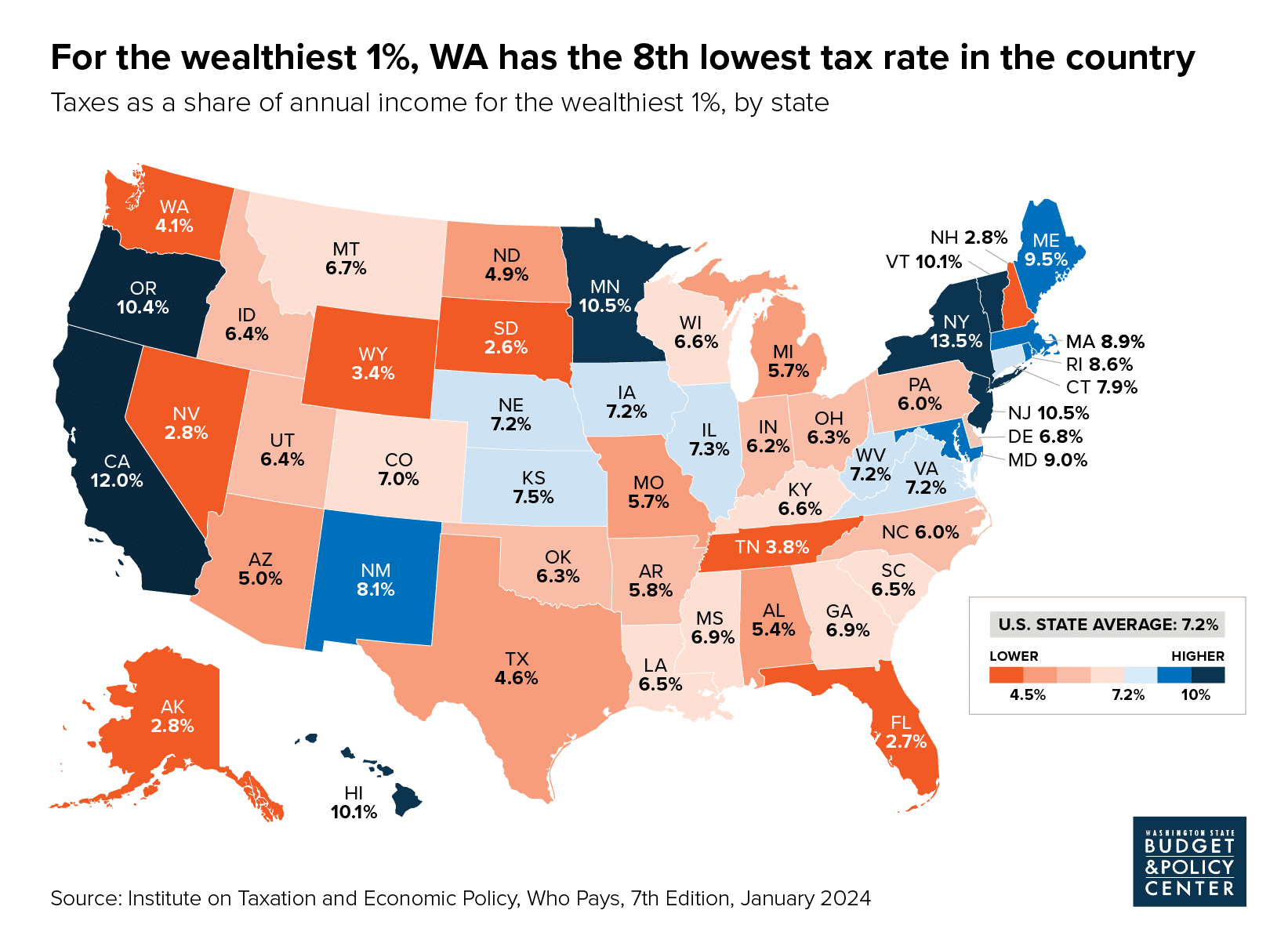
The Washington State Budget and Policy Center found the tax rate for the richest 1% in Washington will still be under the national average after the Millionaires Tax goes into effect. Opponents worry higher taxes will push wealthy people and companies to move to states with no income tax.
Cristobal Young, professor of sociology at Cornell University, has studied millionaire migration for nearly 20 years and said the data contradict the idea of wealth flight. He pointed out higher earners are actually less mobile, moving across state lines at about half the rate of low-income people. He added people with more money choose where to live based on proximity to family, good schools and jobs rather than taxes.
"There's this sense that these really high-income earners don't have these attachments but it's really the opposite. Social ties and professional ties and family connections have really become part of the spoils of economic success in America," Young explained.
Young added even if people wanted to move every year, there are fewer places they could go to avoid a similar tax.
So far, 10 states have passed taxes on high earners, including California, Oregon and much of the Northeast. He stressed the states have seen very little tax-related migration since.