Bill to provide tax breaks for data centers reintroduced by Colorado lawmakers

Lawmakers in the Colorado General Assembly are reviving a proposal to offer tax breaks for data center operators, aligning the state with dozens of other states competing for the favor of a fast-growing industry that has become a magnet for both investor dollars and public scrutiny.
House Bill 26-1030, introduced last week, would offer a 100 percent sales and use tax exemption for qualified data centers for at least 20 years. A similar proposal was postponed indefinitely at the end of the 2025 legislative session after pushback from environmental and consumer advocates.
The bill’s supporters, who include moderate Democrats at the statehouse and a coalition of tech industry groups, say Colorado is falling behind in the race to build data centers, the sprawling server farms that power artificial intelligence, cloud computing services and other related technologies.
©
“Despite having a strong technology ecosystem, despite having a strong workforce here in Colorado, available power, available land — the state is not yet a strong data center market,” Dan Diorio, vice president of state policy for the Data Center Coalition, said during a media briefing Tuesday.
At least 37 states now offer incentives for the development and operation of data centers, industry representatives said, characterizing the sales tax breaks as a prerequisite for substantial investment, especially when it comes to the so-called “hyperscale” data centers that serve the largest AI and cloud-computing companies.
Across the country, we are seeing the negative impacts of large data center development without meaningful community and ratepayer protections in place.
“From an overall industry perspective … they only go to places with the state-level sales and use tax exemption,” said Jacob Bock, vice president for land strategy at Tract, a Denver-based data center development company. “I talk to some of my colleagues that previously worked at the likes of Meta, Amazon, Microsoft, and the No. 1 state on all of their lists, that they would love to build in, was Colorado — with the barrier-to-entry issue being the sales and use tax exemption.”
A fiscal analysis of HB-1030 has not yet been released, but nonpartisan legislative analysts estimated last year that a sales tax exemption for data centers would decrease general fund revenue by $38 million annually.
© Eyematrix - iStock-453911335
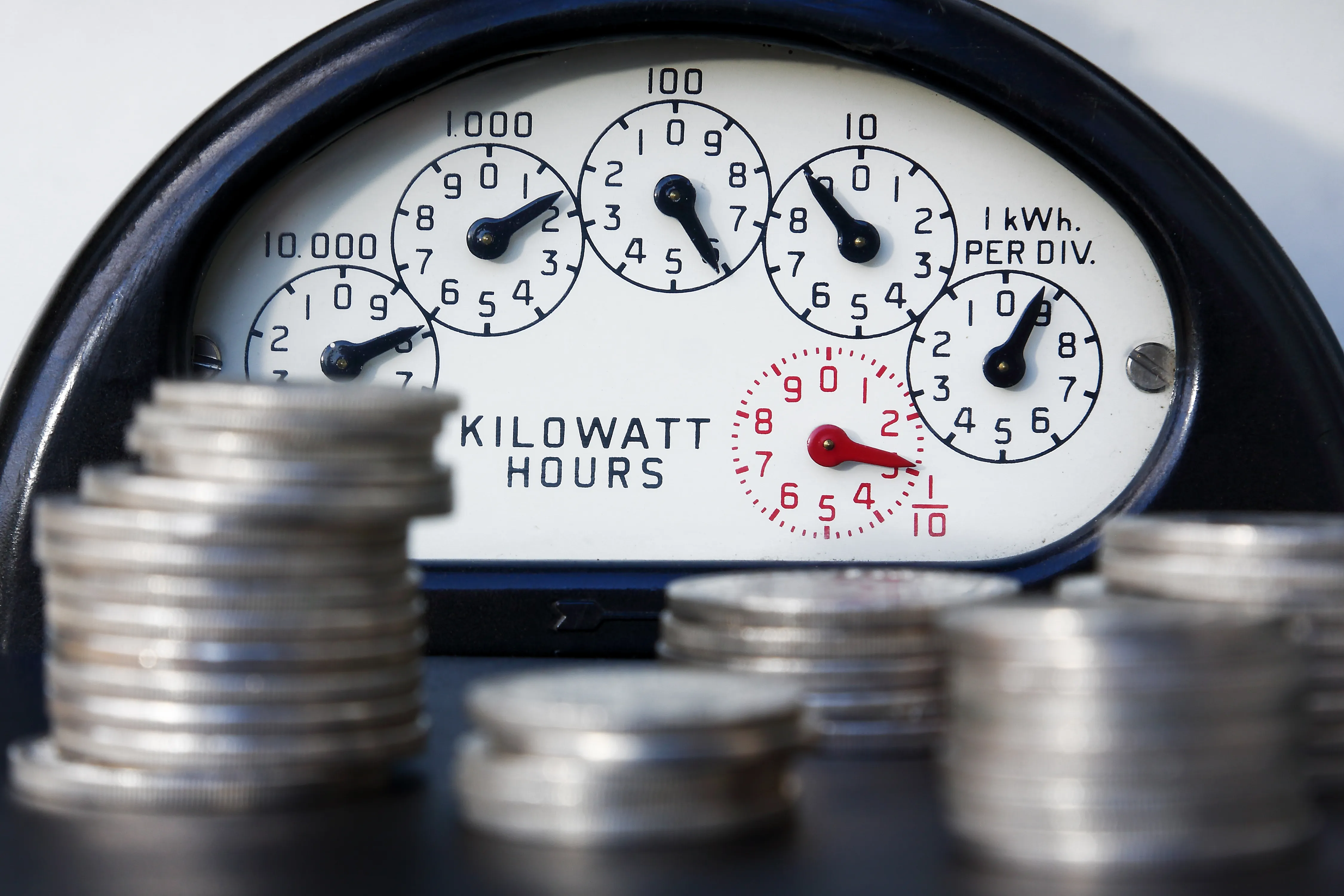
Amid a nationwide boom in data center construction, largely driven by investment in AI, polling shows a growing numberof Americans concerned about the energy-intensive facilities’ impact on the environment, and what the surging demand for energy could do to utility rates paid by consumers. Data centers made up about 4.4 percent of all U.S. electricity demand in 2023, and that figure could rise to 12 percent by 2028, the Department of Energy has estimated.
A Carnegie Mellon University study published in July estimated that the demand surge could increase costs for residential ratepayers by 8 percent as electric utilities struggle to add enough generating capacity to keep up, with higher rate spikes in areas with high concentrations of data centers. Environmental advocates also worry the increased strain on the grid could jeopardize clean-energy goals, and electricity providers in many parts of the U.S. are already expanding or prolonging the use of fossil-fuel-powered generation to meet the anticipated demand increase.
Sponsors of HB-1030, including House Majority Leader Monica Duran, a Wheat Ridge Democrat, say their bill addresses both concerns.
“It’s no secret that other states have faced challenges implementing hasty policies to attract data centers,” Duran said Tuesday. “We will not be making the same mistakes, and our bill creates a strong and protective framework that will bring data centers here, but on our terms — the Colorado way.”
The bill would create a new Colorado Data Center Development Authority under the state’s office of economic development. In order for a data center to qualify for the tax incentive, the authority would require the electric utility that will provide power to the facility to “verify that the data center will not cause unreasonable cost impacts to other utility ratepayers.”
In the event that a utility needed to make a “targeted resource acquisition” to expand its generating capacity to serve a new data center, the bill would require at least 75 percent of the new capacity to come from clean energy sources. After Jan. 1, 2040, that requirement would rise to 100 percent.
Opposition to ‘handouts’
A coalition of environmental and progressive groups on Tuesday announced their opposition to HB-1030, which they called a “data center handout bill” that doesn’t go far enough to establish guardrails on development.
“Across the country, we are seeing the negative impacts of large data center development without meaningful community and ratepayer protections in place,” Megan Kemp, Colorado policy representative for environmental group Earthjustice, said in a statement. “Colorado has the opportunity to lead in ensuring that data centers develop without harm to our residents. Now is the time to advance legislation that truly puts Coloradans’ health, well-being and wallets first.”
Opponents of HB-1030 said a forthcoming bill from other Democratic lawmakers, including state Senator Cathy Kipp of Fort Collins and Representative Kyle Brown of Louisville, would better address “concerns about data centers’ energy demand, ratepayer and community protections, and climate goals.”
But state Representative Alex Valdez, a Denver Democrat and HB-1030 sponsor, said the alternative proposal was “not tenable for industry.”
“We believe that we’ve struck the exact right balance between what is doable, and what is the best in terms of stewardship,” Valdez said. “This takes into account the realities of the situation, and gets there in a very clean way.”