Colorado Parks and Wildlife implements voluntary fishing closures on four Western Slope rivers

Colorado Parks and Wildlife has implemented voluntary fishing closures on the Colorado, Eagle, Crystal and Roaring Fork rivers beginning July 17, 2026, citing extremely low flows and high water temperatures driven by severe drought conditions.
River flows have dropped well below 50 percent of the long-term average, and daily maximum water temperatures are consistently exceeding 71 degrees in several locations. CPW expects the restrictions to remain in place for the foreseeable future to protect stressed fish populations.
Specific closures are as follows:
- Colorado River: A full-day voluntary closure is in effect from Red Dirt Creek downstream to the Highway 13 bridge in Rifle. Water temperatures consistently exceed 71 degrees and flows remain critically low.
- Eagle River: A full-day voluntary closure is in effect from Lake Creek in Edwards downstream to the Colorado River confluence. Daily temperatures are peaking at 77 degrees in Gypsum and 74.5 degrees in Wolcott.
- Crystal River: A full-day voluntary closure is in effect from mile marker 64 on Highway 133 downstream to the Roaring Fork confluence. Flows are declining rapidly and are currently less than 10 percent of average for this time of year. Fish movement is expected to become limited in the near future.
- Roaring Fork River: A daily afternoon voluntary closure is in effect from noon to midnight from the Highway 133 bridge in Carbondale to the Colorado River confluence. Upper sections remain cooler, allowing fish to recover overnight.
CPW may enact fishing closures when any of the following criteria are met: daily maximum water temperature exceeds 71 degrees; streamflow drops to 50 percent or less of the daily average; fish show visible signs of fungus or stress; or daily minimum dissolved oxygen levels fall below 6 parts per million.
When water temperatures reach 71 degrees or higher, fish struggle to recover after being caught and released. CPW recommends fishing early in the day to avoid peak afternoon temperatures and using a handheld thermometer to monitor conditions. Anglers should move to cooler, higher-elevation waters once temperatures approach 71 degrees.
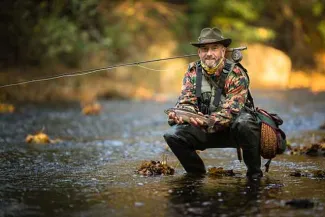
© iStock - ViktorCap
To further reduce fish stress, CPW advises anglers to use heavier tippet and line to land fish quickly, wet hands before handling fish, keep fish submerged while unhooking and releasing them, avoid removing fish from the water for photographs, and have an alternative fishing location planned.
Anglers are asked to adhere to these voluntary closures to help conserve fish populations and avoid potential mandatory closures later this summer. For a complete list of voluntary river closures, visit https://docs.google.com/spreadsheets/d/1seEJEG8nOuf25NXFh1meXMAafLcHlobvkXatuzhaE_8/edit?gid=0#gid=0