Daily Audio Newscast Afternoon Update - January 21, 2026

© INDU BACHKHETI - iStock-1336427297
News from around the nation.
'This is sell America' U.S. dollar, Treasury prices tumble and gold spikes as globe flees U.S. assets; A major winter storm is brewing. It s likely to unleash dangerous ice and snow from the Plains to the East Coast; Conservation groups sue over EPA approval of forever chemical; AR immigration advocates address new visa rules; NY doctors help develop new cancer research database.
Transcript
The Public News Service Wednesday afternoon update.
I'm Mike Clifford.
The sell America trade is in full swing Tuesday morning after President Trump and European leaders escalated tensions over Greenland.
That from CNBC.
They report US bond prices tumbled, Senate yields spiking, US dollar index which weighs the green back against a basket of six foreign currencies fell nearly 1 percent, the euro jumped 0.6 percent against the dollar.
One global analyst put it this way, "This is sell America again with a much broader risk off.
And for CNN, a major winter storm, the season's most extreme so far, is set to lash the eastern half of the U.S. with damaging ice and heavy snow late this week.
It's all being fed by a brutal blast of Arctic air that's bringing the season's coldest air to date.
Meantime, conservation groups have filed a lawsuit challenging the Environmental Protection Agency's recent approval of a chemical which falls into the PFAS or forever chemicals category.
The insecticide isocycloserum was approved for use on lawns and golf courses, as well as numerous fruits, vegetables and grains.
Nathan Donley with the Center for Biological Diversity says former industry lobbyists now working for EPA are ignoring scientific consensus regarding the dangers to human health.
It really gets at how much influence the pesticide industry has over the approvals of these products in this country when you can get a forever pesticide approved.
PFAS contamination is widespread in New Hampshire and has been detected in 30 percent of public water sources and at former industrial sites like Pease Air Force Base in Portsmouth.
EPA officials claim to find no health risks for the chemical when used as directed.
I'm Catherine Carley.
And grassroots organizers in Tucson are coming out against a proposed aluminum recycling plant in the rural town of Benson.
They say the 200 acre facility poses drinking water concerns for residents and their livestock.
Tucson Chantel-Acombole with the No Desert Data Center coalition says the aluminum recycler is more than a local issue.
Within all of these fights is this common thread of these billion dollar companies coming to our communities, taking what they want and leaving us to pick up the pieces.
Aluminum Dynamics, who will own the facility, has said it will collect, melt, and recast scrap metal into large slabs of aluminum, creating minimal waste in the process.
I'm Mark Moran.
And medical professionals in New York with a few others nationwide using new methods to study cancer treatments.
The Cancer Research Institute says its Discovery Engine will generate new research findings about cancer immunotherapy.
Alicia Zhu is with CRI.
For every particular disease type, what is the right type of immunotherapy to use and how does it work in combination with other therapies?
Is there a specific order in which they should be used?
Is there a specific timing between therapies that should be followed?
The engine's primary goals are eliminating barriers to cancer research, such as data gaps and challenges that keep fewer than half of high-impact studies from being replicated.
This is Public News Service.
Next to the Midwest, where a professor is sounding the alarm on what he calls the Trump administration's authoritarian tactics to quell the free press, free speech, and other constitutional rights.
A professor at Indiana University Kokomo, Konstantin Zhukov, argues the FBI raid of a journalist's home last week is not an isolated incident, but part of an ongoing escalation since President Trump took office a year ago.
He emphasizes that as someone originally from Russia, he recognizes this as a familiar autocratic move. -It's a story that you usually hear in Russia.
It's a common instrument that Russian authorities use in order to scare the journalists and to signal to them that they shouldn't do their work, essentially, that they shouldn't keep the government accountable.
Zhugov points to recent volatile policing and immigration protest dynamics in states like Illinois and Minnesota as another big concern.
I'm Judith Ruiz Branch reporting.
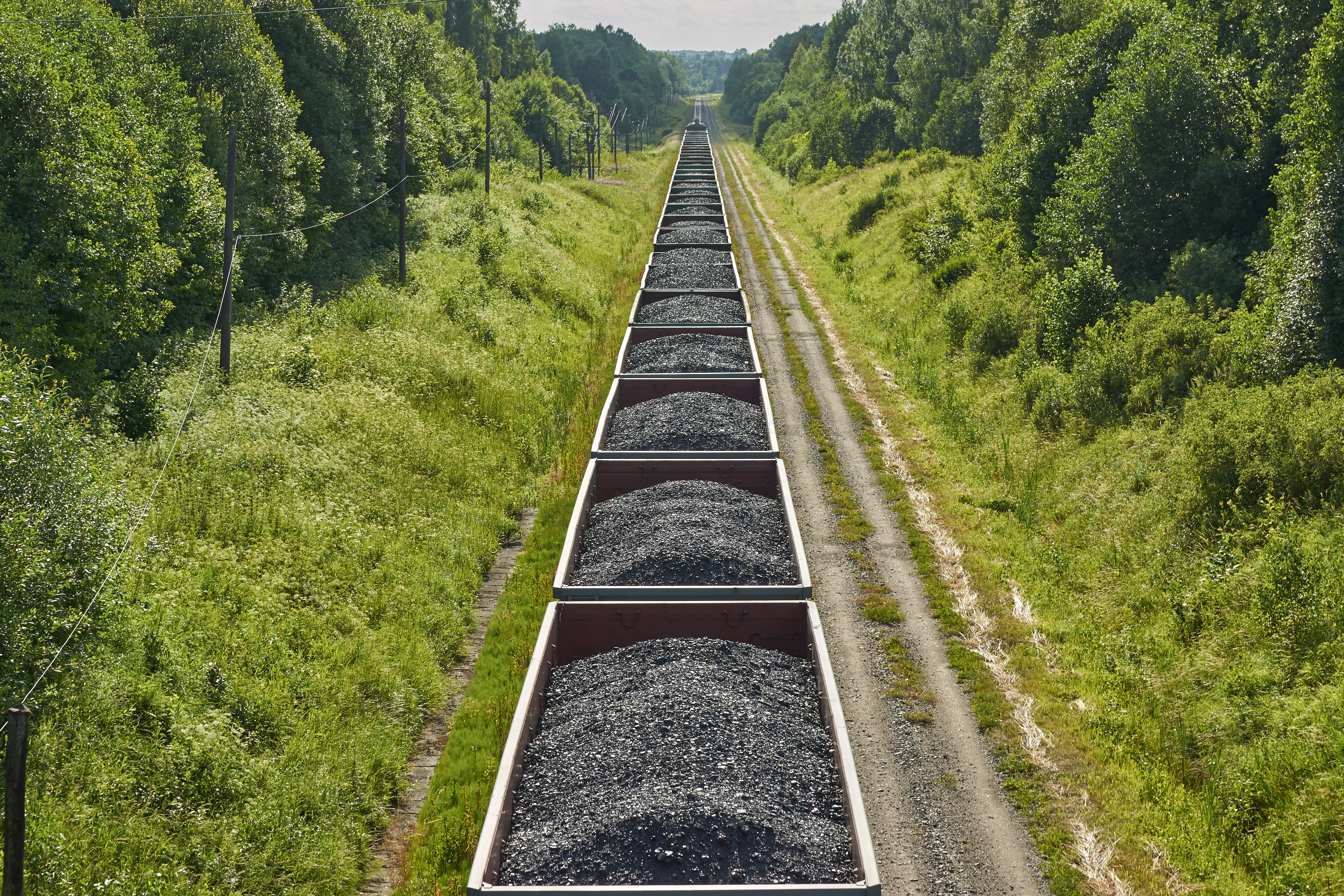
And the Trump administration has blocked the implementation of tougher wastewater treatment standards for coal-fired power plants in Wyoming and across the nation.
A move that saves operators money, but critics warn that these and other efforts to boost the coal industry are bad for business and public health.
Tom Smarr with Earthjustice says the Environmental Protection Agency's new standards require operators to invest in technologies that reduce the release of toxins like arsenic, lead, and mercury into waterways.
The health benefits of fewer incidences of cancer, cardiovascular disease, less exposure to children to harmful levels of lead, those benefits far exceed the cost to the industry.
The new standards would cut more than 600 million pounds of wastewater pollution each year according to the EPA's own projections.
The agency claims delaying those standards is necessary to address electric grid reliability, rising demand and affordability.
I'm Eric Galatas.
The EPA has also announced it will no longer calculate the monetary benefits of improving health and saving lives when considering air and water protections.
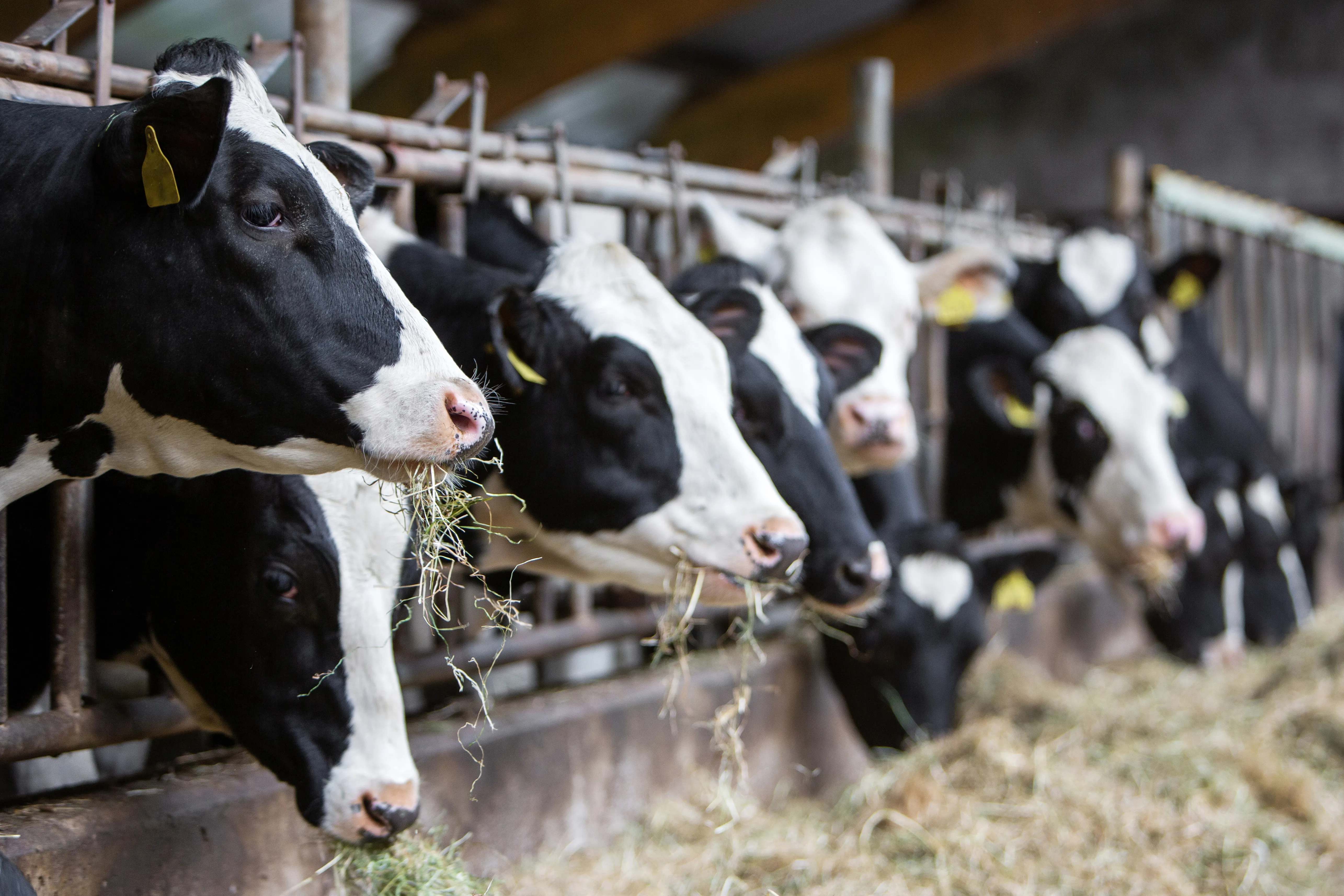
Finally, we head to Mississippi where beef and cattle production is a major part of agriculture, but environmental researchers say the heavy reliance on beef in popular online recipes contributes to broader environmental and health concerns.
Stephanie Feldstein with the Center for Biological Diversity says top recipe websites and social media pages promote the overconsumption of red meat.
They posted recipes calling for a total of more than 57 pounds of beef.
And that's a huge amount of beef that has real implications for the climate and our environment.
Beef cattle are the largest segment of the state's livestock industry, with nearly 15,000 and more than 900,000 head of cattle producing hundreds of millions of dollars in annual economic value.
I'm Tramiel Gomes.
This is Mike Clifford for Public News Service.
We are member and listener supported.
Find our trust indicators at publicnewsservice.org.