Daily Audio Newscast Afternoon Update - January 30, 2026

© INDU BACHKHETI - iStock-1336427297
News from around the nation.
Tulsi Gabbard's appearance at Fulton County FBI raid raises questions; Senate leaders scramble to save bipartisan deal and avert partial government shutdown at midnight; Study explores reducing nitrogen pollution in CT, U.S. farm soil; New report finds cover crops pay off in WI; NM legislator wants another $50M spent on uranium mine cleanup.
Transcript
The Public News Service Friday afternoon update, I'm Mike Clifford.
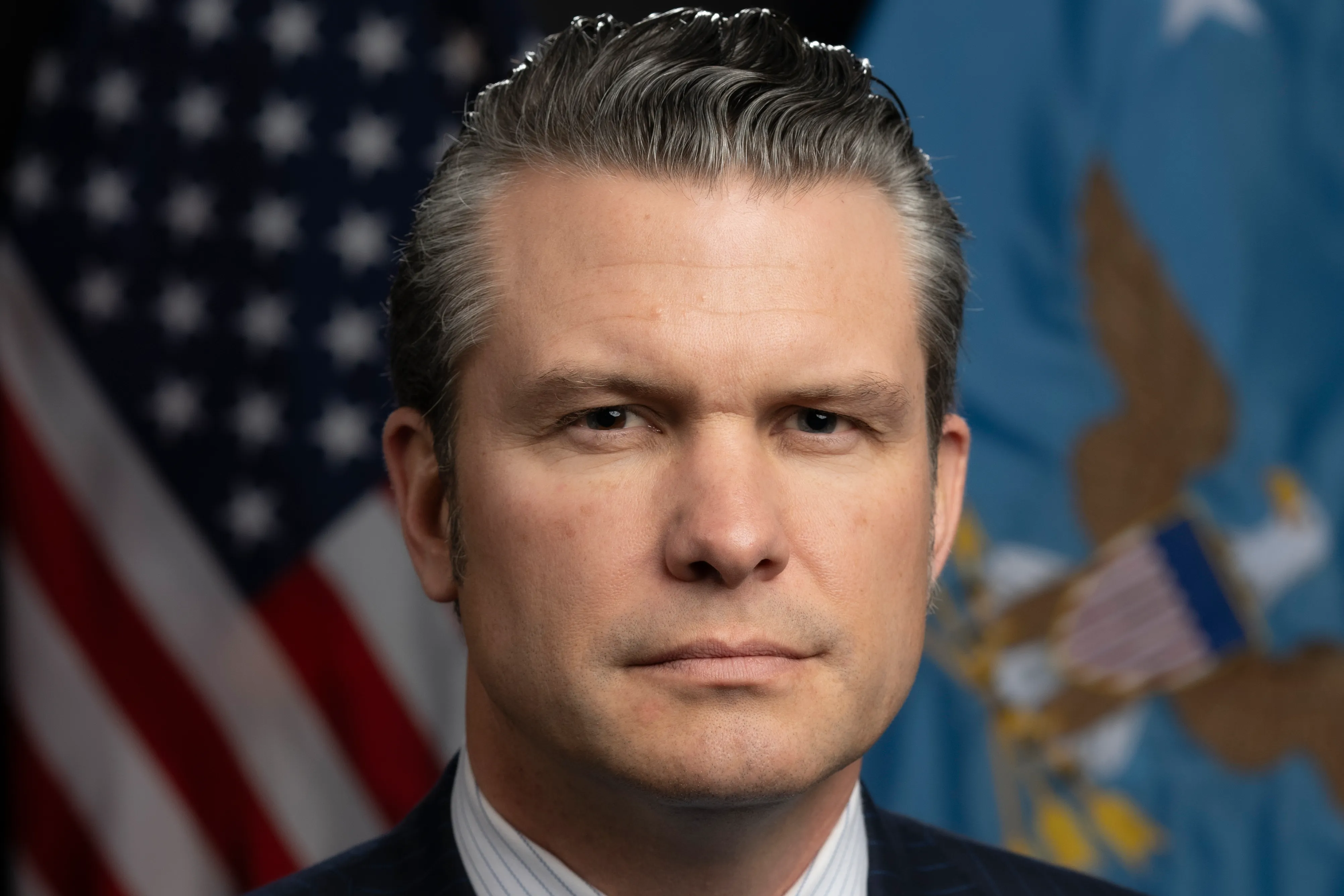
At a televised cabinet meeting last August, President Trump turned to his top intelligence official knowing that she had evidence of how corrupt the 2020 election was and asked when she'd produce it.
The Director of National Intelligence, Tulsi Gabbard, replied, "I'll be the first to brief you."
They report, though her office traditionally focuses on foreign intelligence and adversaries, Gabbard's unexplained appearance at a warehouse in Fulton County, Georgia, on Wednesday while the FBI was executing a search warrant, revealed the extent to which her office has been involved in domestic criminal investigation.
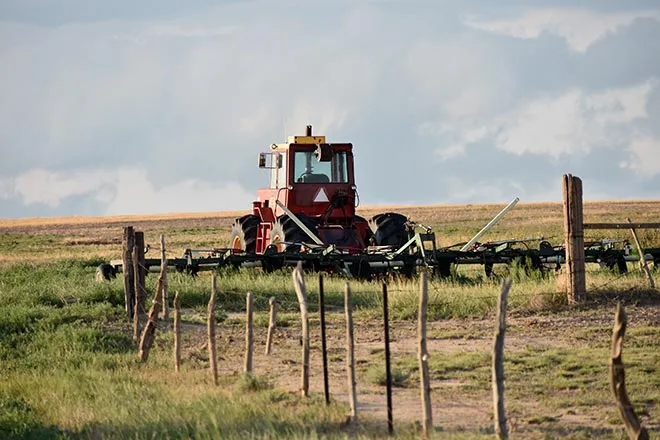
Meantime, a University of Connecticut study is finding new ways to reduce nitrogen pollution on farms.
The study finds manganese, a type of metal, reduces nitrogen levels when it's mixed in with soil.
Many fertilizers contain nitrogen to benefit plant health, but an excess of it can lead to environmental harm.
That can range from toxic algal blooms and water waste to nitrous oxide, which is a highly potent greenhouse gas.
Abhishek Shnupane, the study's author, explains why manganese makes a difference.
For example, if there is lower nitrate in the soil, then there might be higher loss in nitrous oxide, but here we see that when we reduce one pathway, the other pathway also reduces.
He adds being able to control micronutrients in fertilizer can make them more effective at reducing nitrogen runoff.
I'm Edwin J. Viera.
Next, a new five-year study is quantifying the benefits of conservation practices like at cover cropping using data from farmers across Wisconsin.
Spearheaded by the Michael Fields Agricultural Institute, research scientist Merrill Ingram explains the data shows engaged growers met standards for combating erosion, protecting water quality and building soil health, as well as for producing high quality forage.
She hopes the findings can address the slow adoption of the practice by showing how farmers are successfully using cover crops.
When you look at the supremely efficient, very structured corn and soybean production, making changes in that context is very hard and yet people are making it.
And they're making it because of climate change, because of the cost of fertilizer, because they can see the water running off their fields and they care what it looks like.
The data covers more than 200 agriculturally diverse fields across 45 counties.
Ingram says they used it to create an interactive dashboard to help farmers make more informed conservation decisions on their own fields.
It's available online at michaelfields.org/covercrops.
I'm Judith Ruiz Branch reporting.
Next to New Mexico, where a lawmaker wants the state to spend more money to help clean up sites that could contaminate land, water and air, anti-nuclear activist, Leona Morgan, says New Mexico's Navajo people suffer disproportionately from uranium related health issues.
Kidney disease, autoimmune disease, and then of course you hear from women that live near these sites about miscarriages, reproductive problems.
New Mexico Senator Jeff Steinborn has filed a bill to allocate $50 million in one-time funding to address abandoned uranium mines, sites of defunct dry cleaners, and of oil and gas operations.
This is Public News Service.
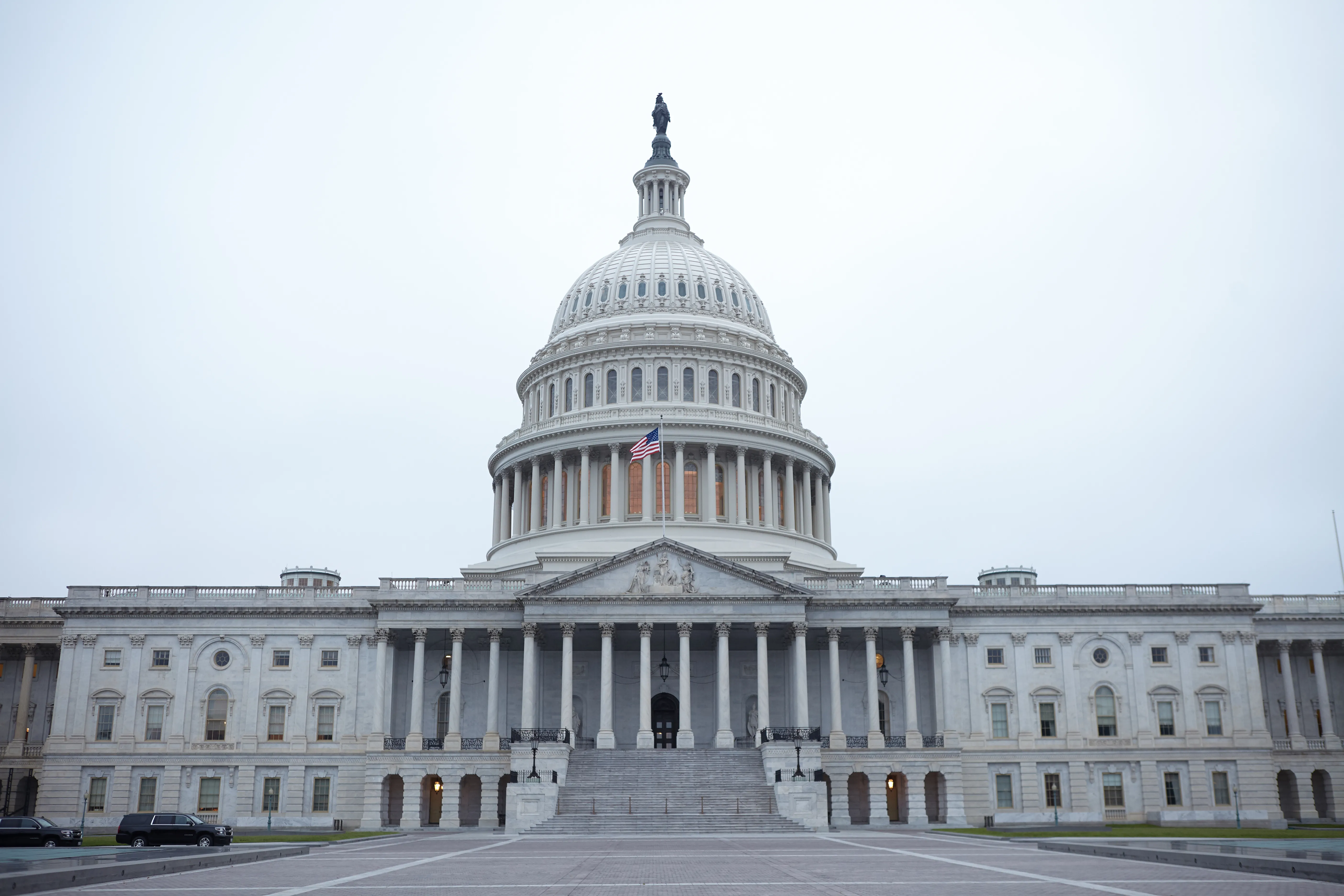
As a potential government shutdown approaches, mounting anger over federal immigration enforcement led to rallies across Pennsylvania this week, with residents calling on Democratic Senator John Fetterman to vote against additional funding for the Department of Homeland Security.
In Wilkes-Barre, a crowd of over 80 constituents gathered outside his office, voicing their concerns and sharing stories of families impacted by ICE operations.
Alex Walker-Serrano with Pennsylvania Stands Up says the group planned to deliver a letter signed by more than 120 community and labor groups, but Fetterman's local office was closed so it was placed in a mailbox.
He adds that Pennsylvanians are standing with Minnesotans, calling for accountability, saying everyone deserves due process as local families face detention and deportation. $45 billion were allocated to ICE care.
So we want Suttermen to take a stand and say, "ICE already has enough money.
They don't need any more."
Danielle Smith reporting.
And since the Nutrition Education Program, known as SNAP-Ed, ended as part of federal budget cuts, food banks across Ohio are adjusting. are having hands-on cooking and nutrition classes, especially for older people on fixed incomes.
At Second Harvest Food Bank of Champaign, Clark and Logan Counties, the staff has expanded their cooking classes to local senior centers, focusing on meals built around foods seniors receive through assistance programs.
Natasha Reidenauer with the food bank says the classes grew out of the Commodity Supplemental Food Program, or CSFP, which provides monthly boxes of shelf-stable foods to eligible seniors.
We can teach you how to make simple, easy, less costly meals, and we based it off of our CSFP commodity box.
Reidenauer says the classes are held in person using a mobile kitchenette.
Participants cook at least two recipes during each session.
Farah Siddiqui reporting.
Finally, Washington State, tribes, and environmental groups are speaking out against a proposed hydroelectric project near the Columbia River.
The Federal Energy Regulatory Commission, or FERC, has permitted the Golden Dale Pump Storage Hydroelectric Project proposed by Rye Development.
Simone Anter with Columbia Riverkeeper believes FERC has shown a disregard for tribal sovereignty and rights throughout the permitting process.
It's not green energy if it's destroying tribal cultural resources.
The burden of green energy development really needs to be spread and not just placed on tribal nations who've already borne the majority of burdens for other energy development across this nation.
In a statement, the Yakima Nation and other local tribes claim the license was granted without adequate consultation and based on an incomplete environmental review.
I'm Isabel Charlay.
This is Mike Clifford for Public News Service.
Member and listener supported.
Find our trust indicators at publicnewsservice.org.