Daily Audio Newscast - September 30, 2026

© AlexLMX - iStock-823000260
Six minutes of news from around the nation.
The Supreme Court gives Trump more time to keep deporting immigrants to countries where they have no connections, a new poll shows struggling Kentucky voters losing enthusiasm for the GOP, Wisconsin workers take their trade fight to G20 meeting in Milwaukee.
TRANSCRIPT
The Public News Service Daily Newscast, September 30, 2026.
I'm Mike Clifford.
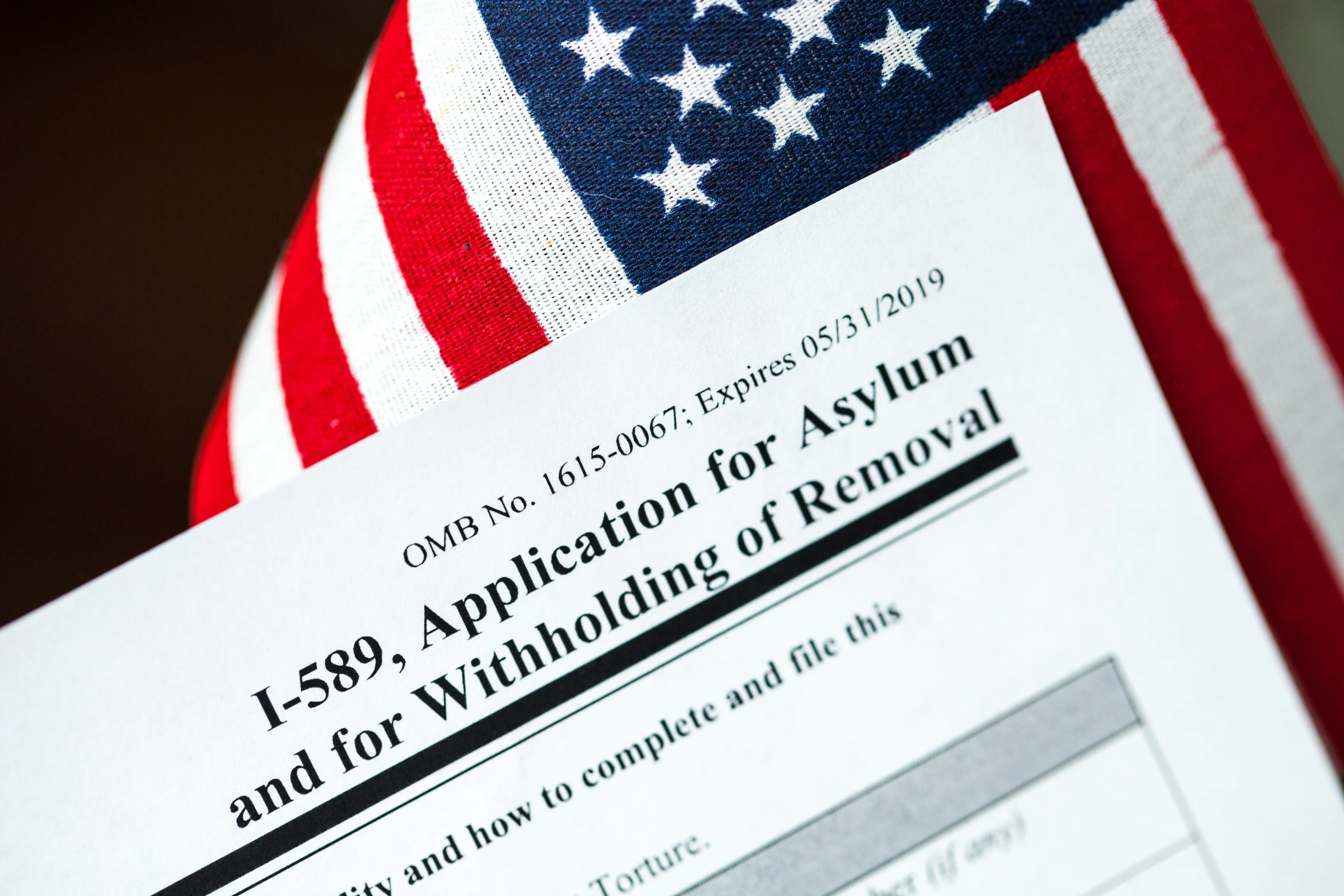
U.S. Supreme Court Tuesday gave more room for the Trump administration to deport certain immigrants to third countries where they have no connections.
NBC News notes, with the three liberals dissenting, the justices granted an emergency request filed by the government seeking to block an appeals court ruling That said, the current process is unlawful because the affected people are not given a proper chance to raise concerns about safety risks in violation of federal immigration law.
Meantime, frustration with the Trump administration's economic policies could impact turnout among rural Republican voters in the upcoming midterm elections.
That's according to a new survey.
A KFF Associated Press survey of more than 2,000 rural voters nationwide finds 74 percent of rural Republicans say they're absolutely certain to vote in November.
That's compared to 80 percent of rural Democrats.
Stacey Fuget of Hazard, Kentucky, says more of President Donald Trump's supporters are sharing their financial concerns online and claiming they're the poorest they've ever been.
That has been a chain reaction that I've seen from all kinds of people that are speaking up about how they can no longer support him because of all of the inflation, of all of the rising prices.
She says people are making tough choices to buy milk or medicine, pay their utility bill, or buy groceries.
Still, the survey shows 40 percent of rural voters believe Republicans can best address their cost of living concerns, compared to just 25 percent who believe Democrats can handle the job.
I'm Katherine Carley.
Next to Wisconsin, where union members, farmers and other workers are taking their trade concerns to the streets as global officials meet in the Badger State this week.
A coalition of labor and community groups plan to rally today outside of the G20 trade ministerial, which takes place in Milwaukee this year, calling for what they describe as fair trade policies.
Tarek Bichetti with the Trade Justice Education Fund says they want a new approach that puts workers, family farms and communities at the center of trade negotiations.
Trade policy and especially the job loss that has happened over the last 30 years, it affects more than just the manufacturing sector of the economy.
When jobs like that are lost, everybody loses.
Every worker loses.
The U.S. has run a goods trade deficit of more than $653 billion from January through July of this year.
The Trump administration says its trade policies are intended to protect American workers and expand manufacturing.
I'm Judith Ruiz Branch reporting.
The protesters are backing a proposal called the Fair Trade for Working Families Plan, which would address wages.
This is Public News Service.
California has lost more than 90% of its historical wetlands on the coast and in the delta.
A new report lays out the biggest obstacles to progress.
The report, called Wetlands for Climate, Regional Solutions for Statewide Action, cites unstable funding, overly complex permitting requirements, and fragmented efforts as the culprits.
Piper Wallingford is with the Nature Conservancy California.
She says healthy wetlands bring a multitude of benefits.
They provide really important benefits like protecting communities from flooding and storms.
They help sequester carbon so they can help us meet our greenhouse gas mitigation goals.
And they also support clean water and biodiversity.
The issue is particularly relevant with this year's coming El Nino, which is expected to bring higher sea levels and greater impact from storms.
I'm Suzanne Potter.
The report also recommends the state develop a shared set of metrics to better track, monitor, and align wetland restoration statewide.
Next, Florida beaches are seeing something remarkable this year.
A record number of loggerhead sea turtle nests.
Loggerheads have been nesting here since the time of the dinosaurs.
And like the rest of the Sunshine State, it seems like their population is booming once again.
Elizabeth Fleming is senior Florida representative at Defenders of Wildlife.
She says what happens on Florida's beaches matters far beyond the state.
If you don't know this, Florida is the number one nesting site for loggerheads in the entire world.
It's not only that we're important, we are globally significant.
The record season follows more than 50 years of protections under the Endangered Species Act.
Fleming says sea turtles are slow to mature.
Some don't reach sexual maturity until 25 to 35.
So it takes decades to see results.
Florida has 90% of all U.S. sea turtles, and its sea turtle license plate is the second most popular specialty plate funding conservation and research.
I'm Tramiel Gomes.
Finally, a question to ponder.
Who gets to tell your story?
That's at the heart of banned books week, which begins October the 4th.
This year, the focus is on books about trans people and Black history, including Toni Morrison's The Bluest Eye, banned recently by a Georgia school district.
Dean Steed is Director of Communications at the Solutions Not Punishment Collaborative.
We just released a new zine called How We Talk About Us, which looks at the harmful narratives about Black trans people.
And it gives people the practical tools to challenge a lot of the misinformation that has been pushed around trans lives by politicians and within news.
Snapco says the project is a resource created for and by black trans people.
This is Mike Clifford for Public News Service.
Member and listener supported.
Find our trust indicators at publicnewsservice.org.