
EarthTalk - Does the rise of solar power actually make electricity more expensive for everyone?

©
Dear EarthTalk:
Does the rise of solar power actually make electricity more expensive for everyone?
Julie Smith, Pittsburgh, PA
Solar energy promises long-term savings and environmental benefits, but the path to widespread adoption is challenging, particularly in the way it affects electricity pricing and the overall energy market.
Solar power generates electricity by harnessing sunlight, so it is a clean energy source. However, adopting it can be costly. Most expenses come from the initial investment in infrastructure, including installing and integrating solar panels into the existing grid. These costs are balanced by the relatively low maintenance and operational expenses going forward. With ongoing advancements in technology and decreasing costs, this renewable energy source is becoming more accessible and affordable for both consumers and utilities.
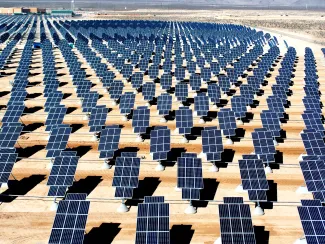
While these upfront expenses can temporarily raise electricity prices,, these costs will stabilize and solar power can lead to more affordable energy for everyone over time.
Solar power also has challenges due to its intermittent nature, being available only during daylight hours, not aligning with peak demand times, like evenings when electricity use is highest. To ensure a reliable energy supply, backup sources like natural gas are often needed, leading to increased costs. “Constructing and upkeeping a secondary energy source results in higher overall energy costs because two energy systems cost more than one,” reports Elmira Aliakbari of the Fraser Institute, a Canadian think tank.
Energy storage technologies, like batteries and pumped hydropower, are essential for addressing solar energy’s intermittency. Storing excess solar power for later use can reduce the need for backup sources. However, the cost of storing electricity remains a significant challenge, making it difficult to rely entirely on wind and solar power. While energy storage is still expensive, advancements in battery technology are expected to reduce these costs over time, making solar energy more affordable.
The rise of solar power may result in short-term increases in electricity prices due to grid upgrades and energy storage costs. But in the long run, solar offers significant savings by reducing reliance on fossil fuels and lowering carbon emissions. Switching to energy-efficient appliances and supporting policies and companies investing in renewable energy and energy storage solutions is equally important. Educating others about the benefits of solar power and participating in local initiatives like time-of-use energy programs can ensure a more sustainable and cost-effective energy future for everyone.
CONTACTS
- Yes, Solar And Wind Really Do Increase Electricity Prices -- And For Inherently Physical Reasons,forbes.com/sites/michaelshellenberger/2018/04/25/yes-solar-and-wind-really-do-increase-electricity-prices-and-for-inherently-physical-reasons/
EarthTalk® is produced by Roddy Scheer & Doug Moss for the 501(c)3 nonprofit EarthTalk. See more athttps://emagazine.com. To donate, visit https://earthtalk.org. Send questions to: question@earthtalk.org.