Energy-burdened Wyoming households faced with tough choices

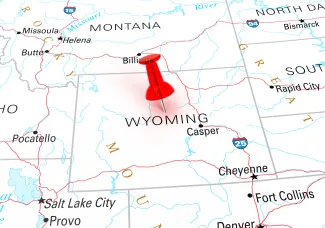
Wyoming is the ninth-most energy-burdened state in the nation, according to a new analysis from the Sierra Club of households facing severe budget strains because of rising energy bills.
Between January 2025 and January 2026, American utility companies raised rates or asked for rate increases totaling $93 billion, and U.S. households paid an average of $116 more in electric bills, according to the analysis.
Johanna Heureaux-Torres, energy campaigns analyst for the Sierra Club, said energy-burdened households are forced to make impossible trade-offs between necessities such as food, housing, health care and energy.
“Low-income households really are suffering the most when it comes to energy costs," Heureaux-Torres explained. "There aren't things that are available to them to help offset these costs or help alleviate this burden.”
Communities of color also face disproportionately high energy burdens, according to the Sierra Club. Last year, home electricity prices rose by more than 9% and home methane prices increased by 12%.
Many utility companies continue to generate electricity using fossil fuels, which are global commodities subject to price spikes when supplies are affected — most recently by the U.S. and Israel’s war with Iran and Russia's invasion of Ukraine.
Patrick Drupp, climate policy director for the Sierra Club, pointed to assistance programs that could help, including the Low-Income Home Energy Assistance Program. Increasing the program from $5 billion to $20 billion could eliminate energy poverty across the U.S. but Drupp stressed the Trump administration is heading in the opposite direction.
“These programs that help homes lower their heating and cooling costs, weatherize so they don't have as much heating and cooling costs, those programs have been under attack,” Drupp pointed out. “Just increasing them a small amount when you look at the overall size of the federal budget would do wonders.”
The Trump administration says LIHEAP has a number of integrity concerns, claiming thousands of people have been fraudulently awarded money through the program.
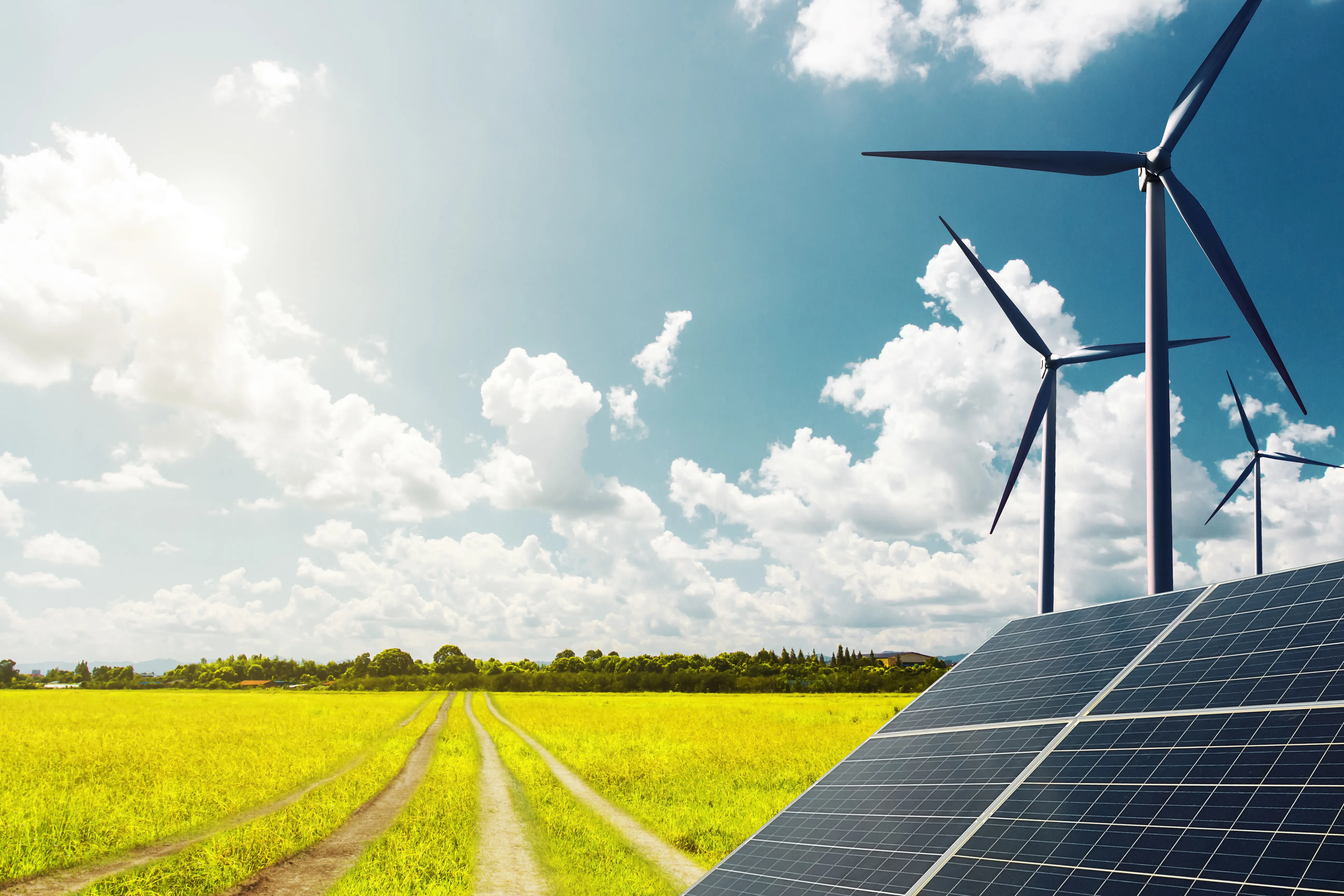
Wyoming utilities have doubled down on coal-fired power plants, and there is a push to build expensive new methane plants to meet a surge in demand from new data centers coming online. Drupp argued a better investment of ratepayer dollars would be in low-cost, local sources such as solar and wind.
“Clean energy is obviously the fastest and cheapest form of energy,” Drupp asserted. “Bringing it on grid as fast as possible would be one of the biggest things you could do to lower electricity prices for people.”