Federal firefighting changeups and this summer’s forecast are a bad mix, advocates say

When crews are bussed in to help battle wildfires, a secondary team of dozens joins to support them, double-checking the accuracy of their maps, making sure their food and supplies are delivered and sharing expertise on timber and forest biology.
As Utah and other western states prepare for what could be an unusually busy fire season, advocates for wildland firefighters and conservationists say fewer incident management teams are at the ready after the Trump administration made cuts to agencies managing federal land last year.
“I’d just like everyone to keep in mind that there is a whole lot more going on behind the scenes, other than the helicopters in the air and the hotshots cutting line,” said Bobbie Scopa, vice president of Grassroots Wildland Firefighters.
The success of those firefighting crews depends on the land management agencies providing them support, Scopa said Tuesday during a virtual news conference held by the Denver-based conservation group Center for Western Priorities.
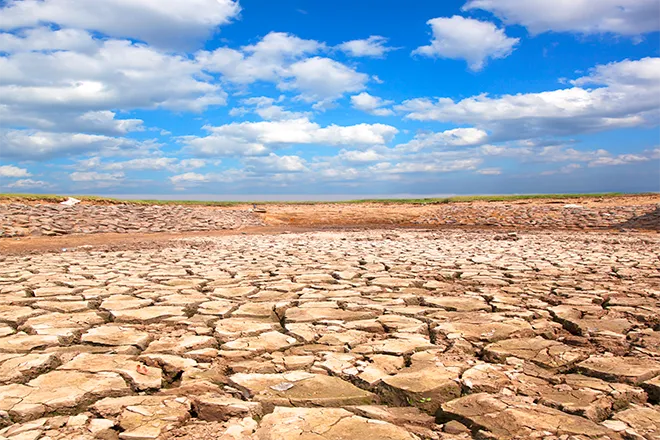
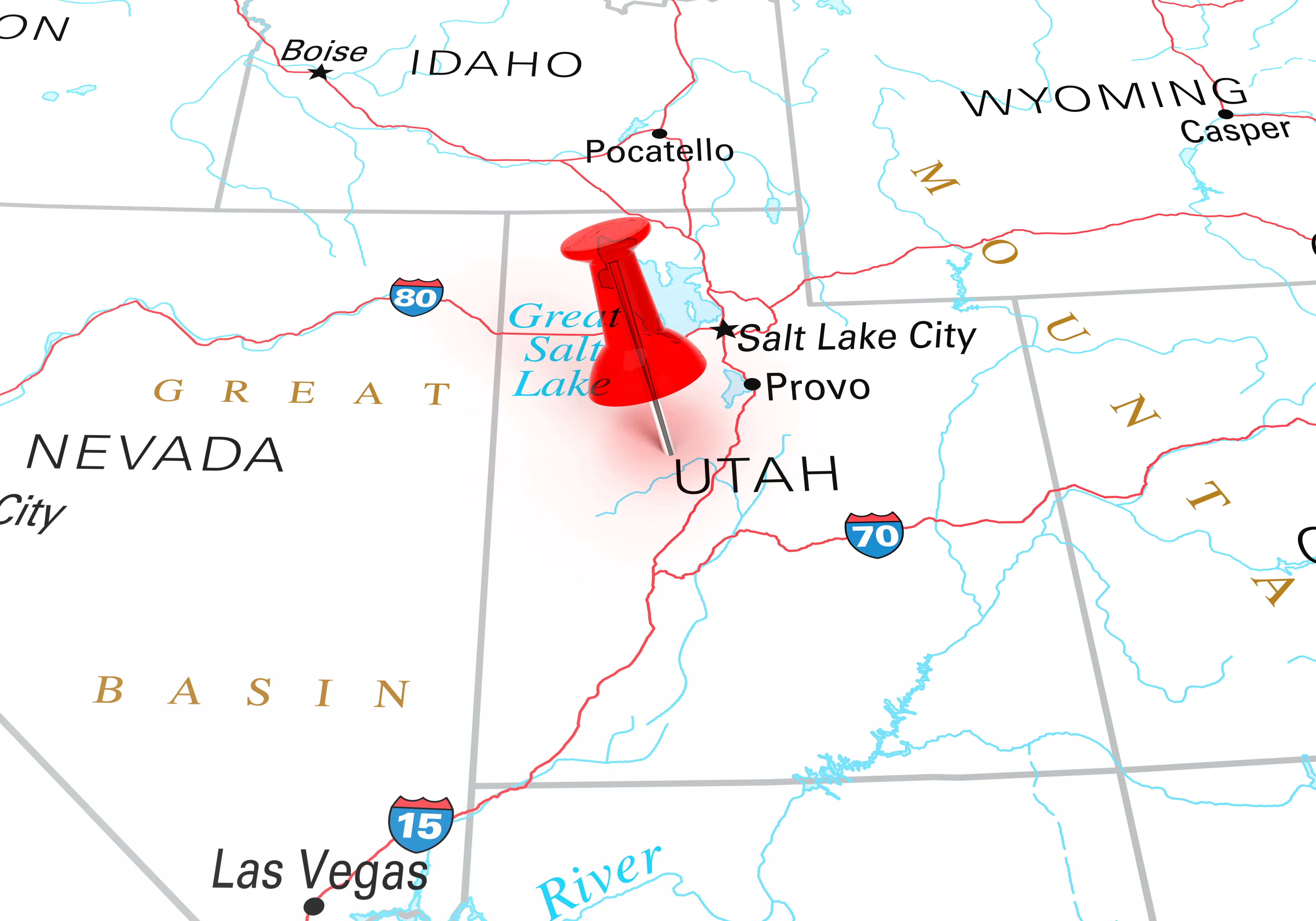
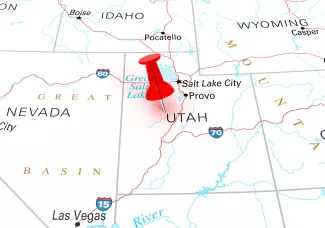
A new forecast out this week from the National Interagency Fire Center points to “above normal significant fire potential” across much of the western United States in June. And the risk in Utah, dealing with drought, warm spring temperatures and record-low snowpack, will remain elevated come July, the report says.
State leaders are also calling attention to the tinder-dry conditions, asking drivers, campers, target shooters and anyone else heading outdoors to be extra careful not to send sparks into brush and trees.
But Governor Spencer Cox indicated he doesn’t have concerns about fallout from changes at the federal level, saying Utah’s getting the support it needs.
“We’ve never been more in sync with our federal partners on the firefighting side,” the governor told reporters at a May 20 news conference. He and State Forester Jamie Barnes said Utah is well-equipped to respond to fires this summer from the air and on the ground.
The U.S. Forest Service is facing steep proposed budget cuts for the federal fiscal year starting in October, and it lost roughly 16% of its workforce under the Trump administration in multiple rounds of buyouts, layoffs and early retirements.
Advocates on Tuesday condemned the closure of several of the Forest Service’s research stations and the proposed elimination of programs providing financial and technical assistance to states and tribal governments, including up to $4 million to Utah. They also criticized a drop in proactive measures to prevent and minimize wildfires such as prescribed burns.
When it comes to this fire season, the Forest Service says it’s prepared. It has already brought on more than 11,000 firefighters as it works to hit a goal of 11,300, said Forest Service spokesperson John Winn. An additional 10,000 “red carded” employees are certified to help with wildfire response, Winn added in a statement to Utah News Dispatch.
“We are expecting an active fire year, but we are ready to support suppression activity with aggressive initial attack,” Winn said. “Our priority, as always, is public safety and protecting lives, property, and natural resources.”
Separately, the new U.S. Wildland Fire Service, established under an executive order from Trump, consolidates federal wildfire resources that had been spread across various agencies under the Department of the Interior. But the Forest Service’s force — about two-thirds of federal firefighters — is not yet under its control. Such a change would require an act of Congress, the Nevada Current reported.
At Tuesday’s virtual news conference, Jeff Mow, a past superintendent of Glacier National Park in Montana, spoke of institutional knowledge that has left the National Park Service because of turnover in the agency.
Now vice chair of the Coalition to Protect America’s National Parks, Mow said he’s heard from incident management teams about current parks administrators who lack experience working with the incident management teams and addressing wildland fire.
Scopa told reporters that if this summer stretches thin the nation’s firefighting forces, it will put their safety at risk, along with the landscape and the resources they’re trying to protect.
“They’re going to be forced to take a fire that’s beyond their capability,” Scopa said.