Fierce floods or wild waves? How San Diego is preparing for a winter of extreme weather under El Niño.

When the super El Niño arrives this winter, San Diego could be in for raging floods that gush through canyons and hillsides.
Or it could face sparse rainfall and heightened fire risk. It could also see monster waves carve away beaches and pummel piers.
El Niño, the weather phenomena that produces warmer sea surface waters and weakened trade winds, has typically also brought wet winters to Southern California.
“Large El Niños tend to tilt the odds toward more winter north Pacific storms and also larger ones, because of the energy imparted to the atmosphere from the ocean,” said Dan Cayan, a researcher at Scripps Institution of Oceanography.
But the connection between ocean conditions and rainfall has weakened this century. That forces scientists to adjust forecasts, and public officials to plan for a wider range of scenarios. Adding to that uncertainty are San Diego’s aging stormwater systems and century-old dams.
That’s why the city of San Diego convened an El Niño working group with members of every city department to prepare for weather related emergencies.
“From San Ysidro all the way up to Sorrento Valley and Lake Hodges, anywhere there are creeks and rivers and lakes, you have to keep a close eye on those areas to ensure we’re prepared for an extreme weather event,” said Assistant Fire Chief Robert Rezende, who is leading that planning.
El Niño’s fickle track record
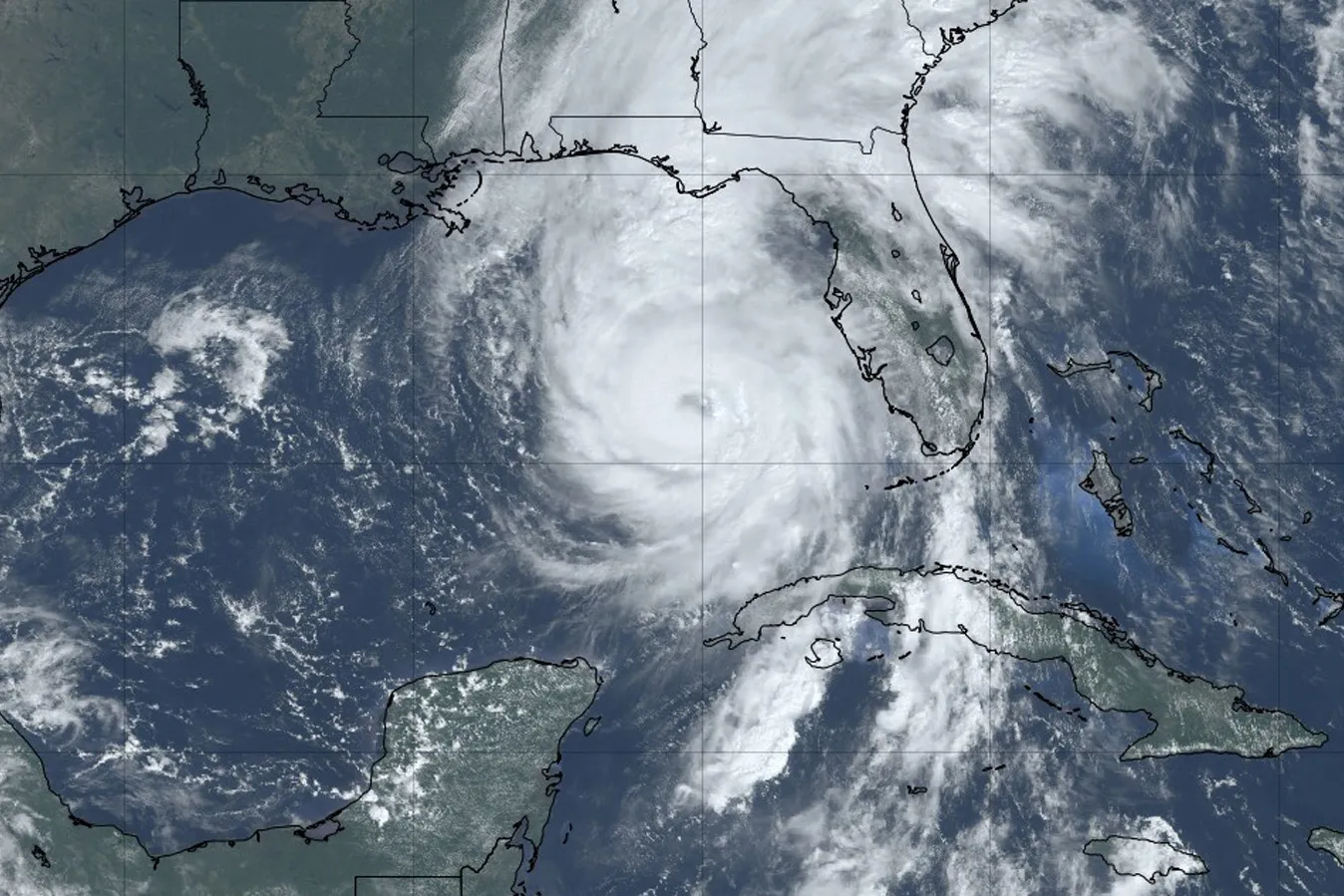
The El Niño weather pattern occurs when the ocean surface warms in the central and eastern tropical Pacific Ocean. Trade winds that normally blow from the Americas toward Asia weaken and can even reverse, blowing back toward the West Coast. Warm water sloshes from the western Pacific back toward America, which forces air to rise and fuels thunderstorms.
Scientists report an El Niño event when sea surface temperatures rise one-half degree Celsius above normal, said Tyler Rodenbaugh, senior meteorologist for the San Diego County Water Authority. At 1.5 degrees above normal they declare a “very strong El Niño.” That’s what they’re seeing now.
In previous cycles in the last century, the El Niño circulation pattern drove storms that dumped copious rain on Southern California.

© iStock - LuckyBusiness
In 1982-83 San Diego had 70 wet days, compared to 40 to 45 in a normal year, or more than one-and-a-half times the usual storm days, Cayan said. That happened again in 1997-98.
The volume of rain was even greater. The El Niño events of those years each produced nearly 20 inches of rain at the Lindbergh Field weather station at San Diego International Airport, compared to just 10 inches in a typical year. They both stacked up snowpack in the Sierra Nevada as well, producing more snowmelt statewide.
But the so-called “Godzilla El Niño” of 2015-16 tipped that trend on its head, resulting in slightly dryer conditions, with 8 inches recorded at Lindbergh Field that year.
“What actually will happen depends on specific storms called atmospheric rivers, which do not dance to the tune of El Niño,”said Alexander Gershunov, a research meteorologist at Scripps.
These are long, narrow sections of the atmosphere – rivers in the sky – that transport water vapor from the tropics and produce extreme rainfall, according to the National Oceanic and Atmospheric Administration.
How El Niño affects San Diego on the ground
Set against foothills, built on floodplains and chiseled with canyons, San Diego’s geography lends itself to inundations. But the impact of floods depends on the infrastructure designed to contain them.
Severe flooding on Chollas Creek in January, 2024 damaged 1,000 homes in the southeastern San Diego neighborhood of Shelltown.
Experts say it was the kind of natural disaster that can wreak havoc instantaneously. Rezende called it a “1,000 year flood” that could not have been prevented. Cayan noted that the creek is a small watershed “susceptible to bursts of rainfall that happen in a short amount of time.”
But residents maintain the damage was compounded by years of neglect. Thousands of survivors sued, saying the city failed to maintain storm channels, causing catastrophic flooding.
Many say they still face health problems, such as rashes, breathing problems and swelling, that they attribute to exposure to floodwater or mold that infested their homes afterward.
In this year’s budget, San Diego cites more than $800 million in stormwater improvements it has already made, including 18 projects completed last year. But it lists $3.3 billion in other needed upgrades, and it’s unclear how it will pay for those. The city did not provide information that CalMatters requested about stormwater infrastructure investments.
However, city officials said they’re trying to maintain the existing stormwater system as best possible. The Stormwater Department is clearing channels and removing debris so water can flow freely during storms, Rezende said. Officials are working with the San Diego Lifeguard Service’s swiftwater rescue team to clear brush, open gates and remove obstacles to make sure first responders have access if people are trapped in flood waters.
San Diego County is also monitoring weather conditions and dispatching field crews to prepare for storms by clearing storm drains and inlets, trimming trees, and sweeping roads in unincorporated areas of the county, spokesperson Donna Durckel said in an email to CalMatters.
In North County San Diego, Representative Mike Levin announced a $26 million federal grant to repair the levee system for the San Luis Rey River near Oceanside, and clear sediment from the channel. Those fixes for the low-lying, flood-prone river system had been promised since 1970 but never fulfilled.
Pollution is another problem. Residents of south San Diego and neighboring Imperial Beach routinely confront sewage and industrial contamination from the Tijuana River. When it rains the water volume can overwhelm capacity at sewage treatment plants and dump more untreated waste into the river, which flows to sea and creates hazardous beach water conditions.
Century-old dams
Flood control efforts are also complicated by San Diego’s aging dams. At an average age of 100, they’re some of the oldest in the nation. Four dams have safety risks that require repairs, including one at Lake Hodges that is rated “unsatisfactory” and poses “extremely high downstream hazard potential,” according to the California Division of Safety of Dams.
It will need to be replaced entirely, but a plan to rebuild it by 2029 fell through after the estimated price tag climbed from $275 million to up to $697 million. The county water authority had agreed to pay half the cost of the replacement, but backed out after the price more than doubled.
San Diego city officials are moving ahead on their own. In 2024 the council approved a 10-year, $100 million management contract for the City of San Diego’s Dam Safety Program. It also expanded its dam safety team, which maintains and inspects the dams, and is designing 36 near-term repair projects, city spokesperson Jennifer McBride said in an email to CalMatters. It will take $3 billion in coming decades to make all the improvements.
In the meantime, the state ordered San Diego to draw down Lake Hodges below 280 feet, to reduce the risk of dam failure in a flood event.
Some residents complain that the lower lake level harms wildlife habitat, and the reduced water storage could leave them at risk in case of wildfire. Since El Niño can trigger both storm or drought conditions, that’s another concern this year.
Big waves are also on the horizon, to the delight of surfers and the consternation of coastal officials.
hese swells form as water levels rise, due to the expansion of warmer water, atmospheric low pressure systems, changes in ocean circulation patterns and the layering of higher sea level onto exceptionally high “king tides.”
The monster waves can demolish coastal structures, as they did during the 1982-83 El Niño event, when the historic Scripps Pier was damaged beyond repair and the landmark Marine Room restaurant flooded, Gershunov said: “There was a lot of coastal damage because the big waves coincided with astronomically high tides. The risk of coastal damage and erosion events is higher for this winter.”
On the plus side, he said “I think the surfers who love big waves should be satisfied this winter.”