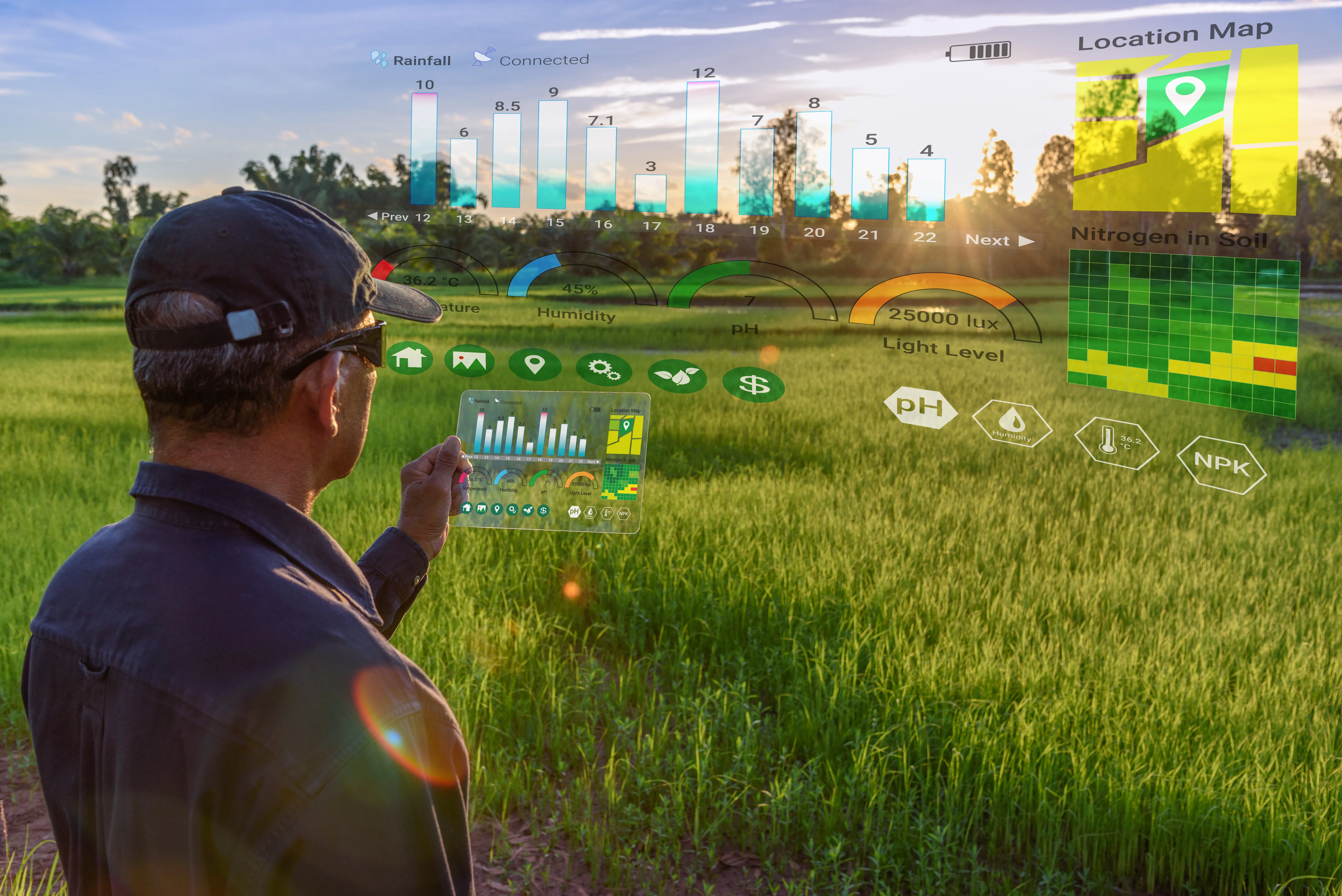
'Game changer' study backs sustainable farming

A new report looked at more than 2,000 farms in Oregon and across the U.S. and Canada and found more sustainable farming practices produce the same amount of food and profits for farmers while storing massive amounts of carbon in the soil.
The regenerative agriculture nonprofit Ecdysis Foundation reported soil at regenerative farms captures about 40% more carbon than on traditional farms, which in turn leads to more biodiversity and healthier food.
Jonathan Lundgren, executive director of the foundation, said if food producers converted row cropping to regenerative practices in North America, it would capture and store one to two years of annual greenhouse gas emissions.

© iStock - Pashalgnatov
"When you compare that to the next technological solution, the results of those other solutions are laughable compared to what our food system is capable of," Lundgren asserted.
Lundgren added in Oregon, the study looked at hazelnut and vegetable farming. He said farmers integrating animals like chickens into their systems are reducing chemical use and end up with more fertile soil and less dependency on costly fertilizers and other inputs.
While the peer-reviewed report found regenerative farms produce the same amount of food and net profits per acre as conventional methods, Lundgren acknowledged data alone is not enough to convince farming communities to change.
"What we're talking about is a cultural change. We're asking these farmers to change their identity. We're asking them to change the metrics of success, of how they evaluate whether or not they're a good farmer," Lundgren explained.
Lundgren called the study a game changer and stressed it touches many sectors of society, including consumers, policymakers, conservationists and the healthcare industry.