Health equity advocates warn of worsening maternal health crisis

The new Listening to Mothers Survey highlights concerns among pregnant and postpartum women in Illinois and across the country, with health justice advocates warning that looming Medicaid changes could worsen an already growing maternal health crisis.
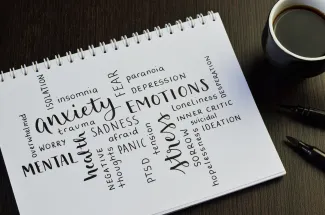
Survey respondents reported insufficient access to healthcare and mental-health support during and after pregnancy, despite high rates of depression and anxiety among new mothers.
Erin Mackay, managing director for health justice at the National Partnership for Women and Families, said the findings also show widespread disrespect, disempowerment, discrimination and mistreatment during pregnancy and childbirth. More than 40% of respondents reported feeling that medical staff dismissed or ignored their concerns.
“A woman told us that she was yelled at to shut up during labor because nobody needed to make that much noise,” Mackay said. “Eighty-three percent of women have at least one baby. It’s unfathomable that this is the kind of treatment that women are getting.”
Mackay said the United States is the most dangerous place among high-income nations to give birth, and that burdens related to pregnancy and labor fall disproportionately on Black and brown women.
Medicaid pays for nearly half of all childbirths in Illinois. Mackay said that as the state has worked in recent years to champion maternal health initiatives, those gains are now at risk as women and new mothers become vulnerable to federal healthcare changes.
“As bad as things are now for moms, we know things are getting worse,” Mackay said. “So we are hopeful that this data provides a clarion call and finally some impetus to action.”
Mackay said the survey is the first nationwide study of its kind in more than a decade. Despite the concerning findings, she said the results also show evidence of more positive outcomes when mothers are respected and actively included in their care.
“These bright spots are really exciting," Mackay said, "because it points a way forward for what we need to do to make sure that we’re not only listening to mothers, but acting on behalf of what they tell us.”