Wildfires and drought challenge wildlife across Colorado as CPW monitors habitat loss and animal movement

Drought and wildfires are straining wildlife and the habitats they depend on across Colorado, prompting Colorado Parks and Wildlife (CPW) to closely monitor habitat conditions as animals face increased stress in their search for food, water and shelter.
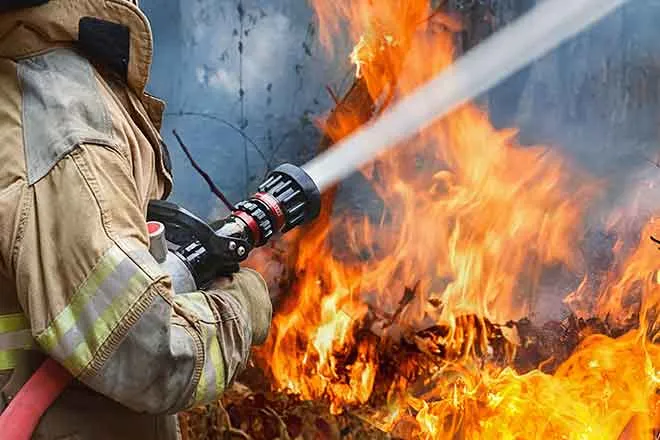
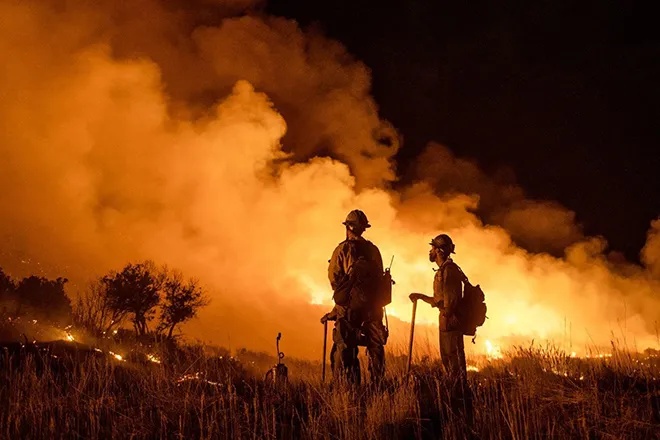
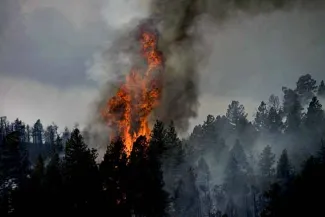
Wildfires rapidly alter ecosystems by removing vegetation that provides food and cover for wildlife. While ecosystems are adapted to periodic fire and will recover over time, large wildfires may reduce habitat quality, displace animals and increase competition for limited resources. Species unable to relocate quickly or that rely on specialized habitats are especially vulnerable this summer.
© Pixabay - David Mark
Drought compounds these challenges by reducing water availability, limiting plant growth and affecting the insects, fish and other food sources wildlife need to survive. Lower stream flows, shrinking wetlands and dry landscapes affect a wide range of species from birds to mammals to amphibians and reptiles. Limited moisture also reduces annual growth of important shrubs used by bears, elk, moose, pronghorn and mule deer.
CPW is seeing a significant increase in bear activity this summer as bears migrate into neighborhoods and cities in search of human trash. As of August 7, CPW received 5,197 reports of bear sightings and incidents, up from 2,853 reports over the same period in 2025. Wildlife officers are frequently called to help with bears because people have left trash outside or bears have entered open garages and unlocked cars.
"Summer wildfires and drought test every creature. Protecting their habitat today gives wildlife hope for future generations," said CPW Habitat Conservation Supervisor Casey Cooley. "This summer in particular, we ask people to be mindful that wildlife are having to work harder to find food and water. The best thing we can do to support them is to keep them wild and not feed or disturb them. Feeding wildlife can increase the chances of human-wildlife conflicts or make them sick and dehydrated."
CPW is adjusting hunting and fishing season structures and license quotas in areas affected by wildfire damage, closing boating ramps during extreme drought conditions, and establishing voluntary and mandatory fishing closures to help sustain healthy habitats and wildlife populations. Once wildfires pass through a landscape, CPW works to restore land and habitat so wildlife can return to burned areas.
© iStock - Golfcuk.
As smaller streams dry up, wildlife may walk along roads or gather around livestock tanks. Residents should keep a safe distance, avoid feeding or approaching wild animals, and report problematic interactions to CPW wildlife officers.
Community members can help wildlife by taking the following steps:
Give wildlife extra space and respect area closures. Do not feed wildlife; let them find natural food sources. Properly dispose of trash to deter wildlife from entering residential areas. Keep dogs on a leash, especially near wetlands and riparian areas. Report sick or stressed wildlife to a local CPW office at cpw.state.co.us/contact-us. Report poaching incidents to Operation Game Thief by calling 1-877-COLO-OGT. Volunteer for habitat improvement projects at state parks and wildlife areas at cpwconnect.state.co.us. Secure trash and strong-smelling items that can attract bears; for bear educational resources, visit bearwise.org.
For more information about wildlife conservation and living with wildlife, visit https://cpw.state.co.us/living-wildlife.