Indigenous water supplies threatened by abandoned mines

© mheim3011 - iStock-544332118
Indigenous researchers in Arizona are educating Navajo tribal members about the potential dangers in their water.
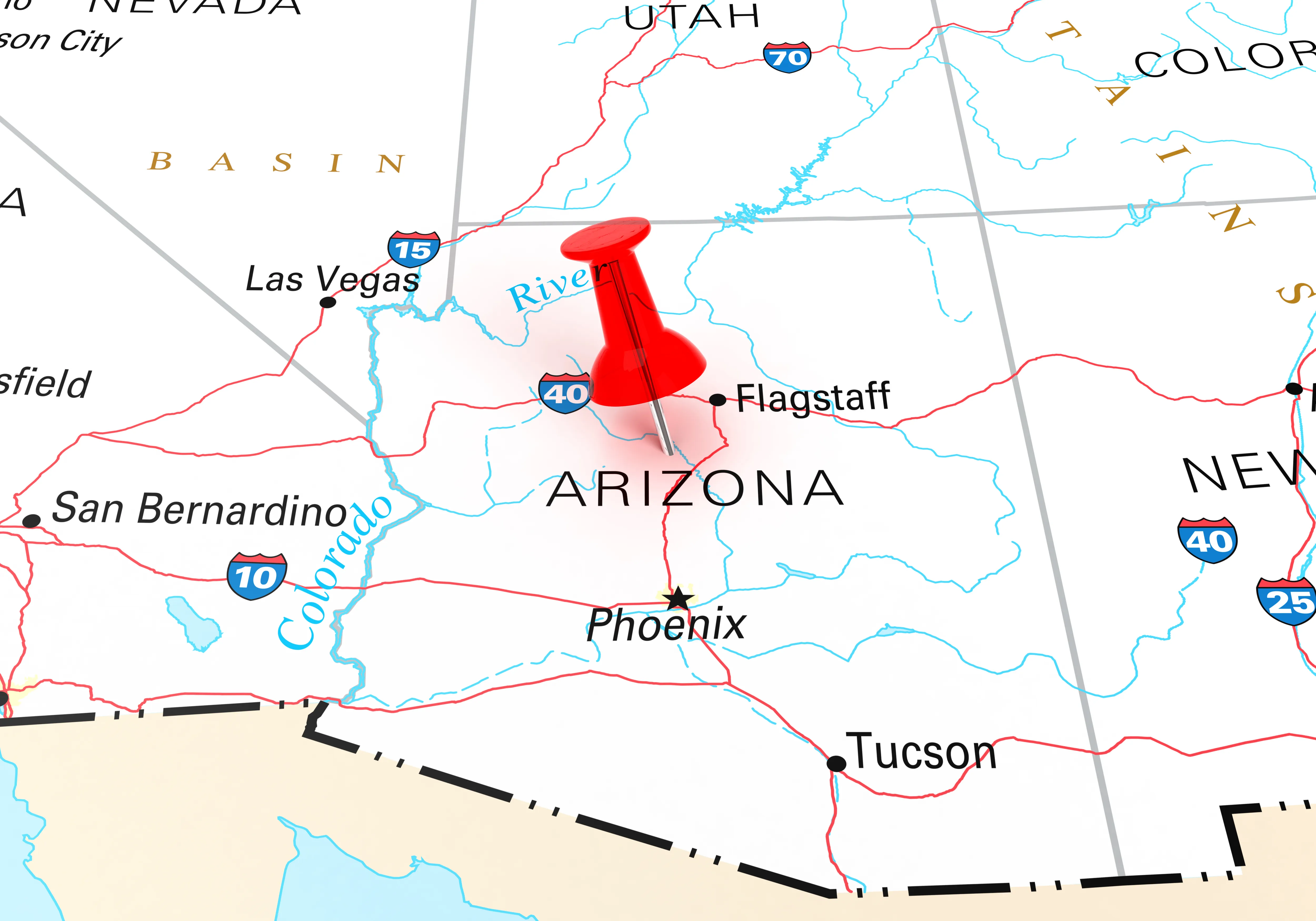
In many rural villages, Native Americans rely on wells for drinking water and the quality of well water can vary. Parts of the Navajo and Hopi reservations in the Southwest, including Arizona, were heavily mined for uranium for nuclear weapons during the Cold War.
Jani Ingram, professor of chemistry at Northern Arizona University and a Navajo tribal member who grew up on the reservation, said it became clear in her adult life no one is testing the abandoned mines.
"There's over 500 abandoned mine sites out on Navajo (land) that are an issue because there really was very little to no cleanup that happened," Ingram pointed out.
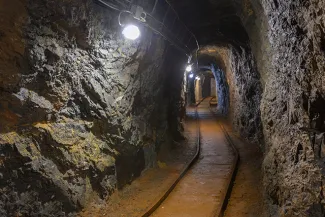
Mining tunnel. © iStock - svedoliver
Ingram noted her goal is not necessarily to pin the contaminated sites to one group but rather to determine the levels of pollution and educate other tribal members about the importance of clean drinking water. She presented her most recent findings to the American Chemical Society last month.
Aside from driving as far as 100 miles to collect clean drinking water, Indigenous community members often have to rely on trucks to deliver it but Ingram pointed out the service is often inconsistent and funding for such programs is spotty.
"There has been some plumbing that has been provided to some homes but it's definitely an expensive endeavor," Ingram explained. "There's still quite a few homes that don't have running water."
Most people in the United States have access to clean drinking water thanks to the Safe Drinking Water Act but on the Navajo reservation, as many as 30% of homes rely on private well water, which is not regulated by the act.