Iowa remains among worst states for new cancer cases

Click play to listen to this article.
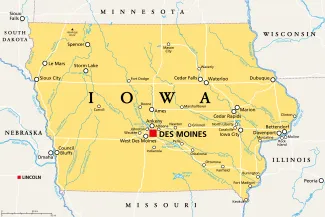
Data from the new Iowa Cancer Registry showed the state remains among the worst states in the nation for new cases of the disease. At least 21,000 Iowans are projected to develop cancer this year and 6,400 are expected to die.
Each year, the registry studies a different segment of the population. This year, researchers focused on the agriculture sector. The good news is the registry's Agricultural Health Study found farm-related workers had 13 percent fewer cancers overall than expected compared to the general Iowa population.
Mary Charlton, director of the registry, said to be in the study, participants had to be healthy enough to be a farmer, which could create a perception there is not a cancer problem in the ag sector.
"That's called the healthy worker effect," Charlton explained. "They obviously have to be active and able to carry out the responsibilities of a farmer. So, that sets them apart a little bit from the general population."
Charlton added the farmers in the study tended to smoke and drink less than the general population, which could also lead to reduced number of reported cancer cases. The report showed spouses of Iowa farmers in the study reported 10 percent fewer cancer cases compared to the general Iowa population.
The registry's findings have been used by the International Agency for Research on Cancer when deciding eight pesticides should be considered carcinogenic. Charlton acknowledged cancer is a complex issue and not just tied to pesticides or lifestyle choices, for example.
"It's not just one thing, and we really have to attack it on multiple fronts and hope that people don't – their takeaway is not that we're discounting pesticides or the environment," Charlton emphasized. "Because I think the Agricultural Health Study has highlighted the important contribution of those risk factors to cancer."
Iowa lawmakers recently defeated a measure which would have given pesticide makers immunity from accountability if their products are found to be carcinogenic but legislation pending in Washington would give companies broad immunity at the national level.