Nebraska Supreme Court rules voter data case is moot because feds already have records

© iStock - sefa ouzel
The Nebraska Supreme Court ruled Friday that a lawsuit that sought to stop the state from handing over potentially sensitive voter data to the U.S. Department of Justice is moot and dismissed the appeal.
The court in its ruling wrote, “because Nebraska’s voter registration list has already been released to the DOJ, this matter is moot, and we decline to apply the public interest exception to the mootness doctrine. As such, the appeal and cross-appeal are dismissed.”
The lawsuit was brought by the voting advocacy group Common Cause and Omaha voter Dawn Essink against Secretary of State Bob Evnen last fall. In February, a Lancaster County District Court judge ruled that Common Cause lacked standing to sue because the alleged harm was speculative and not imminent.
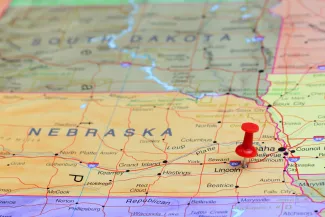
Shortly after that ruling, Evnen released the voter data to the federal government.
The plaintiffs’ attorneys asked the high court to reverse the Lancaster County decision. Attorneys for the state argued the lower court’s decision should be affirmed, saying it was too late to stop the data from being shared.
The Trump administration has asked states for detailed information from state voter rolls, including names, dates of birth, driver’s license numbers and the last four digits of voters’ Social Security numbers, saying they want the information to ensure accurate voter registrations.
The state Supreme Court agreed to hear the case but denied an injunction request that would have prevented Evnen from giving the voter data to the Justice Department.

Nebraska is one of 16 states that handed over their complete voter lists, while three states have sent only data already publicly available or instructions on how to obtain it. The Justice Department has requested voter data from nearly every state and Washington, D.C.
A federal judge blocked the Trump administration from creating a national database with the information earlier this week. Another federal judge recently tossed out a DOJ lawsuit that sought access to Maryland’s voter records. President Donald Trump’s executive order restricting voting by mail also was blocked by a federal judge this week, though the ruling is likely to be appealed.
Democratic-led states and some led by Republicans have declined or are pushing back against federal efforts to gather the data, with some citing state laws protecting residents’ data and privacy.
Common Cause Nebraska Executive Director Gavin Geis said in a statement that the group fought to keep Nebraska voter data “safe” and “now that fight will move to the legislature” as its members work on “strengthening state law.”
“Voters need to feel safe, knowing that registering to vote will not subject them to data risks or intimidation. We will push to make sure voters have that certainty,” Geis said.