New England drought conditions deplete wells, increase wildfire risk

Scientists warn that cities and towns throughout the Northeast need to reevaluate their groundwater reserves because of the region’s persistent drought.
While recent rains have brought some relief to southern New England, conditions have worsened in states like New Hampshire and Maine, where warmer-than-normal temperatures have increased the rate of evaporation.
Farshid Vahedifard, a professor of civil and environmental engineering at Tufts University, said wells connected to near-surface aquifers are drying up.
"We need to shift from reactive to proactive drought management across the region. We need to better prepare our communities," Vahedifard said.
More than 2 million people, or roughly 20% of the region’s population, rely on well water. Vahedifard said that as climate change makes it harder for aquifers to recharge, states need to plan for drought resilience, including water conservation and shared backup supplies.
While New England may not experience the historic megadrought occurring in the American West and Southwest, the region has faced a whiplash of dry spells and intense rainfall, making it difficult for the soil to retain moisture.
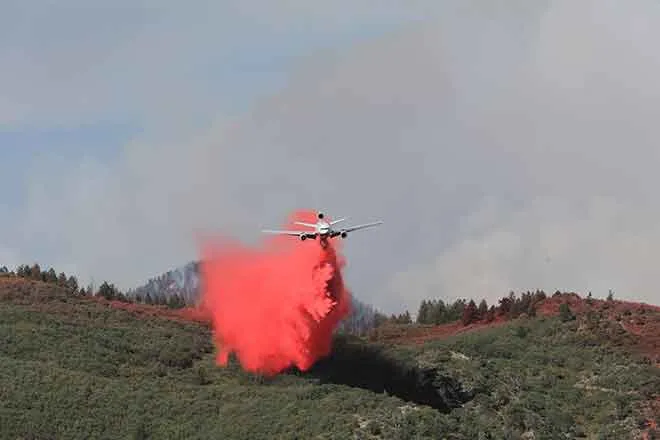
Vahedifard said that can lead to the gradual sinking of the land, which can impact building foundations and electrical infrastructure. Vahedifard warned that drought also increases the risk of wildfires around major cities, threatening homes, transit systems and public health.
"There is evidence, there is recorded data showing that per acre burn, fires in the East Coast are more deadly and costly than fires in the West Coast," Vahedifard said.
Vahedifard said New England communities are well-equipped for major snowstorms, but heat waves and drought pose a greater challenge.
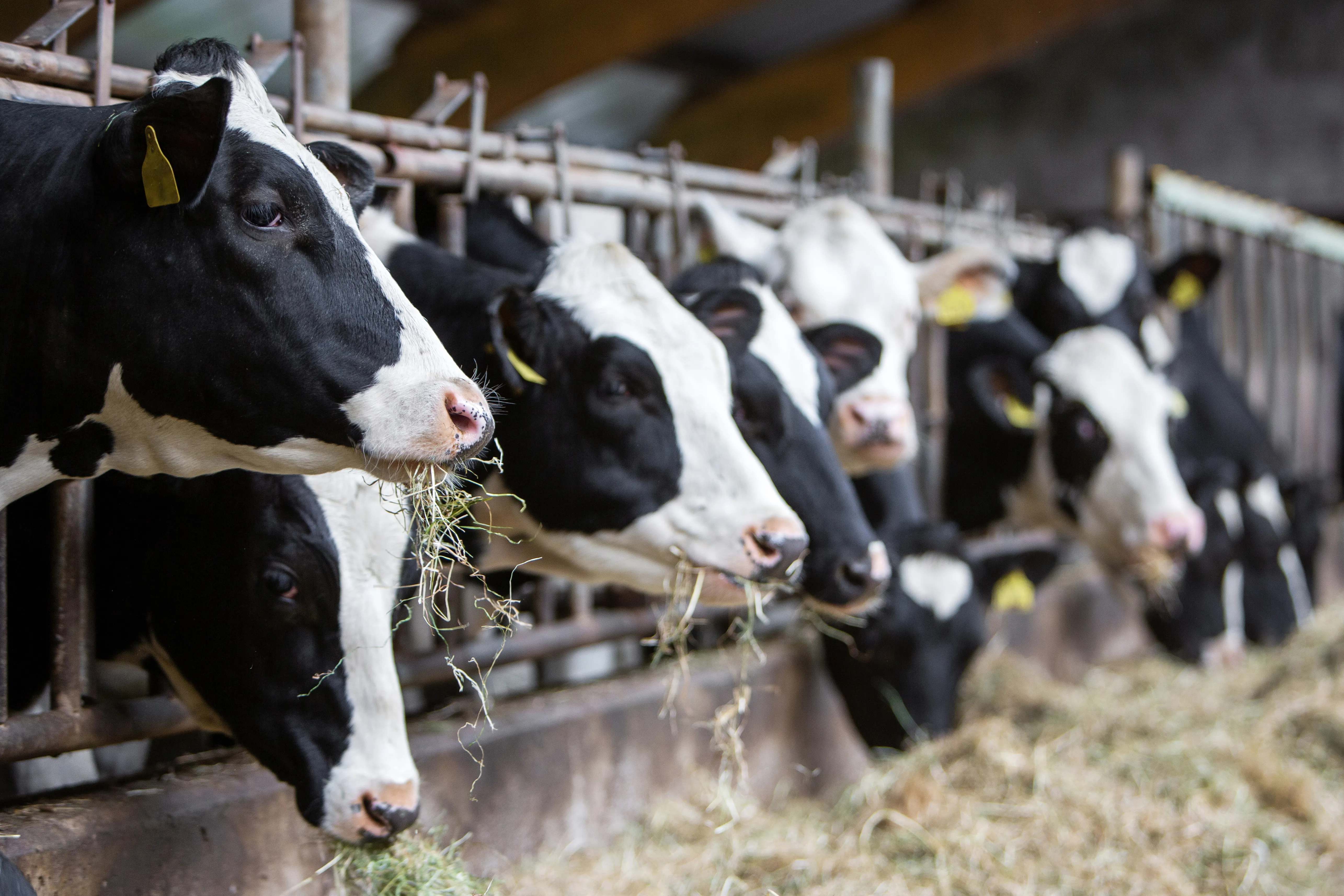
Some of the region’s apple and blueberry farmers are investing in more water-efficient drip irrigation systems to protect crops. Dairy farmers warn that animal welfare and the future of the region’s organic milk supply are at stake.