New Mexico initiates rulemaking on surface water pollution program

© joshschutz - iStock-133883324
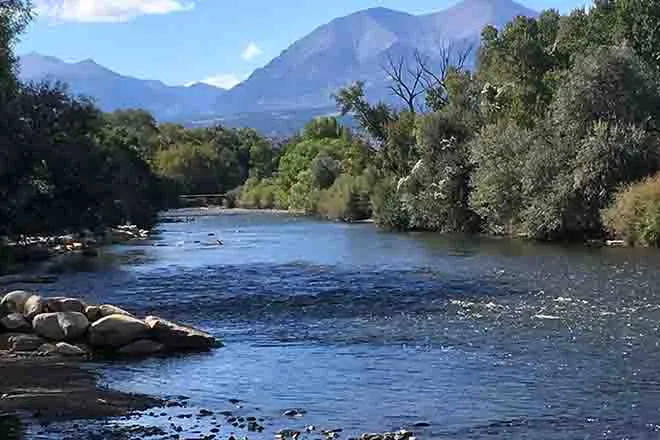
New Mexico this week started the process of creating new rules for pollution limits for rivers, streams and other surface waters across the state, which advocates say need to be as strong as possible to replace lost federal protections.
The state has struggled with water infrastructure challenges for years, particularly in rural communities where colonias need better oversight of their water and wastewater systems.
The New Mexico Environment Department is petitioning its water quality regulators to adopt a proposal to establish a state-controlled permitting program to limit pollution for construction and other industries.
“The stakes are clear in this rulemaking: Without a comprehensive state surface water permitting program, many of New Mexico’s waterways will be at risk of pollution from dischargers no longer subject to the federal permitting program,” NMED Director of Communications Drew Goretzka said in a statement provided to Source New Mexico. “We believe the rules we’ve put forward will properly protect our streams, lakes, rivers and wetlands for decades to come, and we are confident the Water Quality Control Commission will adopt them in full.”
The nine-day rulemaking that began Monday follows a 2025 law Governor Michelle Lujan Grisham signed allowing the state to regulate pollution permitting after federal protections evaporated overnight. The 2023 U.S. Supreme Court Sackett v. EPA decision dramatically decreased federal Clean Water Act protections for intermittent waters, which accounts for nearly 95% of New Mexico’s streams and rivers.
New Mexico was uniquely vulnerable as one of only three states that relegated its management of surface-water pollution to federal authorities. Since 2023, the state has spent several million dollars and passed legislation to set up its own program to manage permits for stream and wetland pollution.
The state has been working to shore up environmental protections since lawmakers passed bills last year to safeguard air, land, and water following the Supreme Court decision.
A coalition of several nonprofits represented by the Western Environmental Law Center have proposed several measures to strengthen the rule, which they said they support.
Rachel Conn, deputy director of Amigos Bravos, said those additional safeguards include requiring appropriate public notice on the most common permits; ensuring the rules are as protective as the lost federal standards; and ensuring the state makes the effort to reduce pollution. The final element is requiring industries to restore two acres of wetlands for every one acre damaged by pollution.
Tricia Snyder, the rivers and waters program director at New Mexico Wild, a member of the coalition, said further wetland loss could be “catastrophic.”
“We’ve already lost over half of our wetland acreages, so we really need to make sure that what we have left is protected for future generations,” Snyder told Source New Mexico. “These are critical habitat areas, they’re very important areas for water quality.”
The hearing continues through June 18, and the WQCC will decide whether to approve the rules at a later date.