Questions about media access still open in early stage of Charlie Kirk murder case

The question of how much news crews can show the public from inside the criminal case against Charlie Kirk’s accused killer is set to be decided — for now — on a case-by-case basis.
A Utah judge Monday reiterated that prosecutors or defense attorneys seeking to close off any future court hearings to the press and public must notify several news organizations, giving the journalists a chance to review the motions for closure and raise their objections.
©
Fourth District Judge Tony Graf didn’t address the larger question of whether news cameras will be banned from the courtroom in future hearings. Defense attorneys have indicated they will seek to limit future media access.
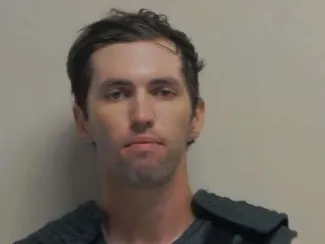
Tyler Robinson, 22, is charged with aggravated murder, a capital offense, and six other counts in the Sept. 10 killing of Kirk, a conservative political activist and close ally of President Donald Trump. Prosecutors said if he is convicted, they intend to seek the death penalty.
Robinson is accused of firing a single shot, killing Kirk while he was speaking to a crowd of thousands in a courtyard at Utah Valley University in Orem. His defense attorneys have largely focused their arguments on the immense publicity of the case and its potential effects on would-be jurors, though it could be years before any jury hears the case.
Robinson’s defense attorney Kathryn Nester declined to comment Monday.
Graf denied requests from two news media coalitions to intervene as official parties, saying they don’t need that status to advocate for the public’s right to know what happens in court.
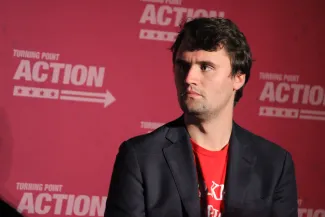
Charlie Kirk - © Matt Johnson CC BY 2.0
Jeff Hunt, a First Amendment attorney representing some of the news organizations, said the judge’s comments were encouraging nonetheless.
“I think if you listened to the judge this morning, he takes his role very seriously as a guardian of public access and transparency, while still protecting the rights of the defendant,” Hunt said.
The judge also ordered the release of a transcript and audio from an Oct. 24 hearing, which was closed to the press and public, that focused on whether Robinson had to wear shackles and a jail uniform. Graf said he allowed the redactions of 246 words – or about one page out of 80 – that reference court security measures.
The transcript is expected to be released later Monday and the audio in about two weeks, the judge said.
“This case generates extraordinary ongoing national and international attention, some of which is threatening in nature to the parties, the representatives and non-party participants,” Graf said.
He previously ruled Robinson must wear physical restraints when in court but can wear civilian clothes.