Report: Election workers face stress, low pay as midterms near

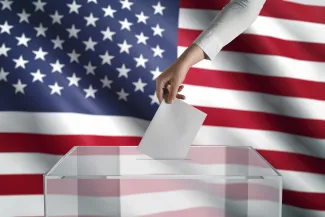
As Marylanders prepare for the 2026 midterms, high stress and low pay are contributing to turnover among the workers responsible for administering elections, according to a new report from the University of Maryland’s Election Resilience Lab.
The report showed election workers have faced intense scrutiny since 2020, pointing to low pay, limited resources and expanding workloads as factors behind the highest turnover rate among election workers in more than 25 years.
© iStock - sefa ouzel
Alysoun McLaughlin, director of the lab, said headlines often focus on threats and harassment toward election officials, while overlooking how much the job itself has changed.
“As that workload has increased, the challenge for staff to do more with less has only grown and grown,” McLaughlin explained. “It’s the same reason people burn out in other fields. They’re called upon to do more. They don’t have the resources to do it well, and that’s a very frustrating thing for people in the public sector.”
Researchers noted despite the stress and lack of resources, election officials continue to operate free, fair and accurate elections.
Voting options have expanded dramatically in Maryland and across the country since the turn of the century. In 2000, Maryland and 26 other states offered no in-person early voting and required voters to provide a reason to vote by mail. By 2026, early voting was offered by 38 states, and just 13 required a reason to vote by mail.
McLaughlin argued budget discussions across the country should account for the growing demands placed on election workers as they work to ensure a safe and secure voting environment.
“In fiscal year ’27, in fiscal year ’28, in fiscal year ’29, that’s when the attention really needs to be focused right now, on making sure that we’re going to have the manpower, that we’re going to have the positions that we need to hire into in election offices for the long term,” McLaughlin urged.
Researchers studied 30 election offices in 17 states.