Report: ICE violating deportation family separation policy

© danielfela - iStock-507873830
Click play to listen to this article.
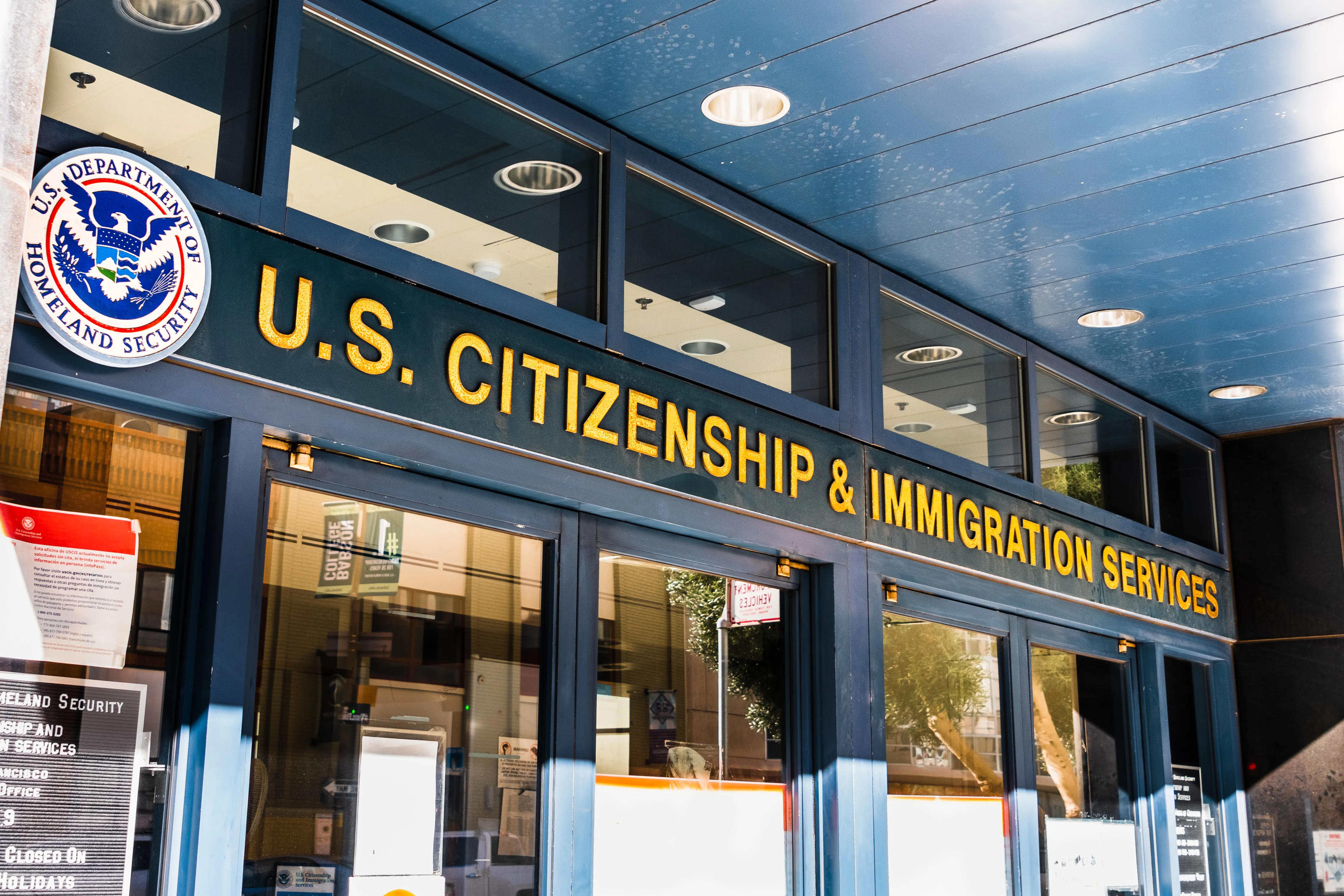
New research showed U.S. Immigration and Customs Enforcement is violating its own policy by separating immigrant parents from their children during deportation actions in Colorado and across the country.
The Women’s Refugee Commission interviewed hundreds of deportees sent to Honduras.
Zain Lakhani, director of migrant rights and justice for the commission, said a majority of deported parents are not being allowed to take their children with them or arrange child care, even for kids as young as two months old. She pointed out under current U.S. immigration policy, ICE is supposed to give parents the opportunity to decide what happens to their children.
"We spoke with dozens and dozens of parents who were coming off the plane," Lakhani recounted. "Some inconsolable because they did not know where their children are, the vast majority of whom had never been asked if they had children at the time that they were arrested."
Despite a directive weakening protections for noncitizen parents, Lakhani noted ICE is still required to ask anyone they arrest if they are a parent and document their information. President Donald Trump campaigned on promises of mass deportations. Through October of last year, there were more than 3,200 immigration enforcement arrests in Colorado, compared to just 734 during the same time period in 2024, according to the Deportation Data Project. Most Coloradans arrested by ICE in 2025 did not have a criminal record.
Noncitizen parents and their children have always faced separation due to deportation but Lakhani stressed until now, the government provided information about the separations. She added the rapid rate of deportations makes it nearly impossible for families to access legal counsel or other resources. Lakhani argued parental interest policies were created to ensure there was monitoring and tracking, so parents could maintain relationships with their children.
"If they were arrested and subject to enforcement, they could maintain some sort of connection with their children. That is what we are seeing violated," Lakhani emphasized. "We have not seen something like this since before we had a parental interest policy. And this is something that is just substantially more extreme than we've ever seen before."
Lakhani added her organization is working to ensure the U.S. government upholds policies designed to preserve family unity, regardless of citizenship status. They are also working with social service providers, child welfare agencies and other professionals in foreign countries to fill in information gaps and develop comprehensive tracking systems.