Scientists call for extended funding of USDA Climate Hubs

Scientists are calling on Congress to continue funding for U.S. Department of Agriculture Climate Hubs, which help New England farmers adapt to increasingly volatile weather.
The Trump administration has vowed to eliminate the network of regional centers, which have operated for more than a decade. House Republicans have cut all funding from the most recent agriculture appropriations bill.
Julian Reyes, chief of staff for the Union of Concerned Scientists and a former national coordinator for USDA Climate Hubs, said farmers could lose access to research used to better protect crops from rising temperatures and drought.
"It's just really sad to see that the administration is choosing to dismantle such a great USDA organization that works with farmers and ranchers and really thinks about their needs and concerns on the ground," Reyes emphasized.
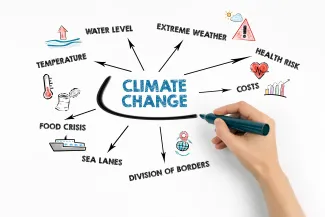
Funding debates will resume after the midterm elections but programs are being reoriented to make them "more farmer, less climate and DEI," Agriculture Secretary Brook Rollins has said. Federal crop insurance payouts tied to extreme weather events reached $11 billion in 2025.
Scientists with the Northeast Climate Hub in New Hampshire have helped regional producers install new drainage systems to prevent soil erosion and nutrient runoff during heavy downpours. They have helped farmers take advantage of new cover crops to improve soil health and counter pests.
Reyes pointed out the climate hubs help farmers translate long-term climate data from federal agencies like NASA and NOAA. He argued cutting their funding means programs designed to help farmers build climate resilience could end.
"You lose that kind of connectivity across USDA and of course, that connectivity really brought a lot of value to farmers and ranchers because we were really working together. We were streamlining how we were helping them, especially with regard to climate change," Reyes explained.
Reyes stressed even modest financial support for climate hubs delivers a significant return on investment for farmers, ranchers and foresters, and closing them will likely end up costing the federal government far more.
The USDA has "taken few actions" to build farm and forest resilience to pervasive pests and diseases linked to climate change, a recent report from the Government Accountability Office showed, and staffing levels to support the work have decreased.