Types of water pressure levels and uses for pressure washing

©
Dust, mud, grime, and old coatings won’t respond to the same water pressure level. A setting that works well for cleaning concrete surfaces could damage patio furniture, while a residential machine may lack enough force for hardened deposits. Understanding water pressure levels and their uses helps homeowners, agricultural operators, and contractors identify the general range suited to a surface. Pressure washing equipment spans from light-duty residential units to specialized industrial systems that produce extremely high force.
What PSI means for pressure washing
Pressure washer ratings use pounds per square inch (PSI) to describe the force of the water stream. A high PSI rating means the equipment will deliver substantial pressure against a surface. However, pressure alone doesn’t determine whether a machine suits a specific job.
Water flow also affects performance because it carries loosened material away from the surface. For that reason, two machines with similar PSI ratings may perform differently depending on their flow rates and intended applications.
Light-duty pressure: below 1,900 PSI
Low-pressure machines generally suit surfaces that don’t call for aggressive cleaning force. These units are commonly used around homes, garages, and properties where the main goal involves removing loose dirt or surface grime.
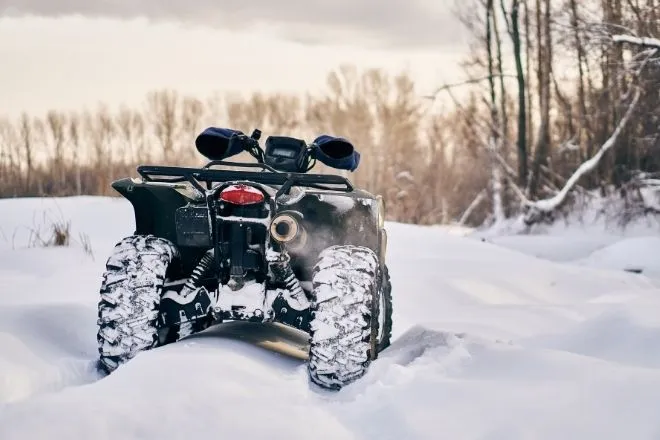
Vehicles and outdoor equipment
Cars and various finished surfaces fit within the light-duty category since the coatings are likely to have negative reactions to excessive force. The same applies to many pieces of outdoor equipment that collect dust or light soil but don’t carry hardened deposits.
Across eastern Colorado, wind can leave a noticeable layer of dust on equipment kept outdoors. A light-duty machine provides enough force for that type of buildup without applying the pressure associated with heavy cleaning work.
Patio furniture and grills
Outdoor furniture frequently accumulates pollen and surface dirt after sitting through changing weather. Grills can develop similar exterior grime around lids and frames.
Low-pressure cleaning works well for these materials because the goal usually involves removing loose contamination rather than stripping bonded material. Painted or coated surfaces still call for care because age and condition affect how they respond to water pressure.
Medium-duty pressure: 1,900 to 2,800 PSI
Medium-duty pressure provides additional force for exterior surfaces that collect firmly attached dirt. This range is common for residential property maintenance because many siding materials and paved surfaces need more pressure than light-duty units provide.
Decks and fences
Wooden decks and fences collect soil within grain patterns and weathered areas. Medium-duty pressure can loosen that buildup when the material remains structurally sound.
Older wood calls for a cautious approach because cracks or weakened fibers may react poorly to concentrated water. Therefore, surface condition matters as much as the PSI rating when determining whether this range fits the job.
Siding
Residential siding collects dust and grime that settle into seams and textured areas. Medium-duty pressure may provide enough force to release that buildup without moving into the heavy-duty range.
Not every siding material reacts the same way. Loose panels or aging finishes might sustain damage if water reaches them with excessive force, so the condition of the exterior remains an important consideration.
Heavy-duty pressure: 2,800 to 4,000 PSI
Heavy-duty pressure washers serve hard surfaces and demanding exterior cleaning work. Many machines in this category suit frequent use on large areas that collect substantial buildup.
Concrete surfaces
Driveways and sidewalks commonly fall within the heavy-duty category because their dense surfaces can tolerate significant cleaning force. Pressure in this range helps loosen compacted grime from textured concrete.
Condition still affects the outcome. Cracked or deteriorating concrete may lose weak material when exposed to concentrated pressure, so maximum output isn’t always appropriate.
Farm equipment
Agricultural equipment often collects thick mud around frames and undercarriages. Heavy-duty pressure provides enough force to remove deposits that a light residential unit may leave behind.
Farm machinery includes areas that shouldn’t receive the same treatment as exposed steel. Sensitive components, like electrical connections, call for separate consideration because their tolerances differ from those of durable structural parts.
High-pressure washing: 5,000 to 30,000 PSI
Once equipment moves beyond common residential pressure ratings, the work enters a specialized category. High-pressure systems serve industrial and commercial applications where light- and medium-duty pressure washing levels cannot treat the material present on the surface.
Industrial cleaning
Industrial equipment accumulates hardened residue that bonds tightly to metal or concrete. High water pressure gives operators enough force to break that bond and expose the underlying surface.
These applications rely on equipment designed specifically for demanding work. Training becomes especially important because water at elevated pressure carries substantial energy and can cause severe injury.
Surface preparation
Some industrial projects use high-pressure water to prepare a surface before another process begins. The goal may involve removing material that would interfere with inspection or coating work.
Pressure selection depends on the condition of the substrate and the material being removed. Using excessive force could damage the surface, so industrial preparation requires a controlled approach.
Ultra-high-pressure washing: above 30,000 PSI
Ultra-high-pressure water systems produce substantially more force than equipment used for common property maintenance. These systems serve specialized removal work where firmly bonded material has to be separated from a durable surface.
Coating and concrete removal
Ultra-high-pressure washing is the right choice when a project involves failed coating removal, selective removal of damaged concrete, rust removal for inspection, or stubborn industrial residue. Those applications rely on concentrated water energy to break the bond between the unwanted material and the substrate beneath it. Because the equipment operates at extreme pressure, trained professionals manage the process with controls suited to the work area and surface conditions.
Match the pressure level to the surface
High PSI doesn’t automatically produce the best cleaning result. The types of water pressure levels and uses vary widely. Pressure works best when it matches the surface and the type of contamination present. In order to fully clean a piece of machinery or a patio surface, it’s essential to carefully select a pressure washer with the appropriate water pressure level. Keeping all of this information in mind will ensure you choose the cleaning method that protects the surface.