Washington Tribe takes on drought resilience

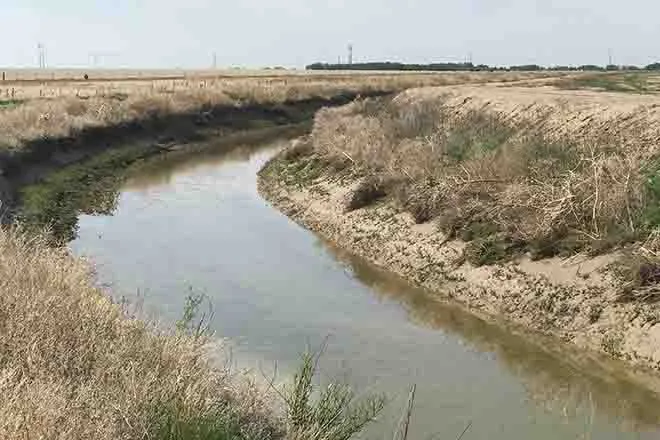
The Snoqualmie Indian Tribe is wrapping up a project designed to identify and reduce the effects of drought in the Snoqualmie River Basin east of Seattle.
The basin is in its fourth consecutive year of drought, and climate-change models predict droughts will become more common.
Matt Baerwalde, senior environmental policy analyst for the Snoqualmie Tribe, said the tribe’s analysis shows the river itself is the most affected by drought.

“By far the greatest need is for river ecology, in terms of the amount of water that is absent or retimed,” Baerwalde said. “When we look at the relative amount of water, the loss of snowpack is just clearly the biggest threat.”
Baerwalde said protecting the river’s flow, which is affected by diminished snowpack, is vital for endangered salmon, other fish and other life in the floodplain.
Commercial and residential water users already have measures to ensure access to water, he said, but the river itself needs more support.
The tribe is using a combination of modern science and Indigenous knowledge to identify the best drought mitigation strategies, Baerwalde said.
“Things like planting more drought-resilient plants or crops,” he said. “We’re also looking at ways to help offset the loss of snowpack, things like headwater storage.”
Baerwalde said the next steps are to complete the list of strategies and then put them into action.
The project was funded by the National Integrated Drought Information System through a tribal drought resilience grant.