Washington’s gas tax is going up, but state transportation revenue is falling short

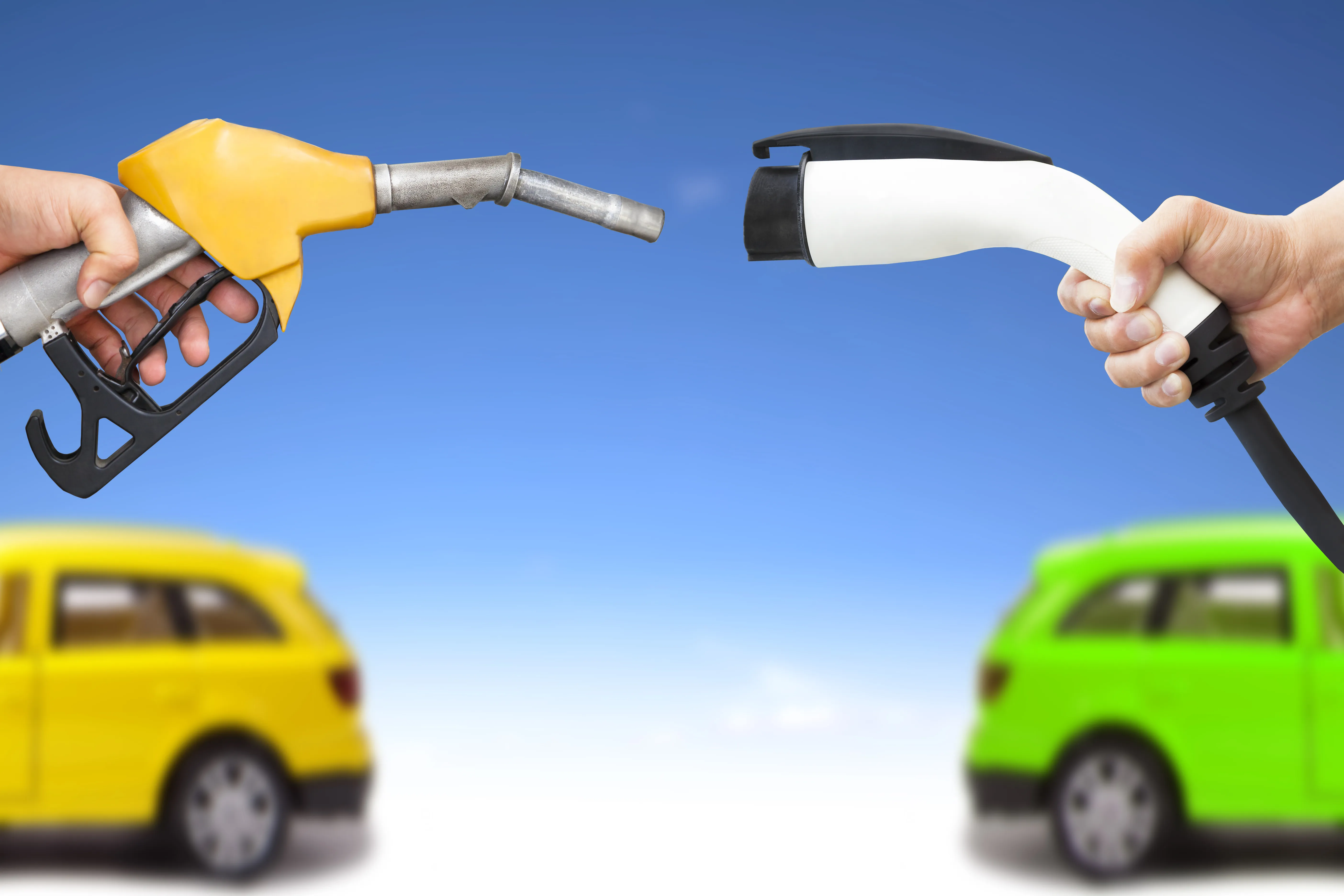
Washington state’s gas tax, already among the highest in the nation, is going up next week.
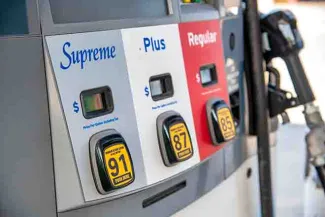
The state’s per-gallon fuel tax of 55.4 cents will climb 1.1 cents on July 1. The 2% bump is the first of the annual inflationary adjustments required by a 2025 law. With the increase, Washington’s gas tax will be 56.5 cents, trailing only California and Pennsylvania, according to U.S. Energy Information Administration figures updated earlier this year.
The per-gallon tax on diesel will get a 2% boost, rising from 58.4 cents to 59.5 cents. The state taxes are on top of federal fuel taxes, which are 18.4 cents for gasoline and 24.4 cents for diesel.
© iStock - claffra
Even with the changes, revenues for the state’s two-year transportation budget are expected to be millions of dollars lower than previously forecast as demand for gas declines, fee collections drop, and there is continuing uncertainty around how much federal transportation funding for states will be available.
“This downward trend, coupled with rising costs across the board, will add to the pressures on the transportation budget as we head into the next biennium,” K.D. Chapman-See, director of the Office of Financial Management and Ferguson’s lead budget writer, cautioned this week.
The July 1 tax increases are products of the multibillion-dollar transportation package passed in the 2025 legislative session and signed by Governor Bob Ferguson. Anchoring that deal was a 6-cent increase in the gas tax and 9-cent bump in the diesel tax.
Gas prices in Washington are among the highest in the country, averaging about $5.32 for a gallon of regular unleaded on Tuesday, according to AAA.
A smorgasbord of other vehicle-related expenses will also rise next week.
Truck weight fees are going up 2%. This affects annual registration fees for all trucks, from pick-ups to big rigs, with a graduated schedule of costs based on the gross weight.
© Jerome Maurice - iStock-1426962165
The retail sales tax on boats and recreational vessels will be bumped up 0.5% to 7%. And the fee to get a title and registration for a vehicle that was previously registered in another state is increasing from $50 to $75.
Even accounting for all these changes, Washington chief economist Dave Reich on Monday issued a new forecast showing revenue collections will be $36 million lower than anticipated for this transportation budget and $130 million less for the 2027-29 spending plan that lawmakers and Ferguson will write next session.
Reich presented his report to the Transportation Economic and Revenue Forecast Council on Monday.
“It’s not as bad as it could have been,” said Representative Jake Fey, D-Tacoma, who leads the panel and is chair of the House Transportation Committee
Washington’s transportation budget is separate from general spending. Revenue for it comes from various dedicated taxes and fees, permits, tolls, and carbon auction proceeds under the Climate Commitment Act.
© iStock - jovannig
Gasoline taxes are the single largest source of funds in the forecast, with fuel taxes collectively accounting for nearly 40% of transportation revenues. Gas tax revenues have declined as consumption has dropped in recent years as more people opt for electric vehicles and cars become more fuel-efficient.
Payments for licenses, permits, and other fees make up 25%, with 8.3% coming from Climate Commitment Act accounts. Washington State Ferries fares, along with toll receipts, transfers from other parts of the budget, and other driver-related sources, comprise a little more than a quarter.
In his report, Reich said transportation revenue would total $8.7 billion for the current budget, $10.6 billion in the next and $10 billion in the 2029-31 biennium. Over that period, collections will be $435 million less than forecast, driven by a drop in revenue from the gas tax, registration fees, and rental car tax.
That is not an inconsequential sum. Earlier this year, when the Legislature modified the transportation budget, it committed to spend additional money on highway maintenance over the three budget cycles. The amount was $200 million.