298,000 Coloradans could lose SNAP benefits

© jetcityimage - iStock-958835100
Click play to listen to this article.
After hundreds of thousands of Coloradans lost food assistance during the government shutdown, more challenges for the Supplemental Nutrition Assistance Program, are looming under the Republicans’ One Big Beautiful Bill Act.
Colorado lawmakers will face an $850 million budget shortfall in the coming legislative session. But Mariah Guerrero, senior public policy manager with Hunger Free Colorado, said the GOP’s signature tax-and-spending bill shifts much of the burden of ensuring that people can access food back to states.
"So, the federal share of administrative costs is being reduced down from 75 percent to 50 percent," said Guerrero. "Colorado has to pay a much larger share just to keep SNAP functioning at its current levels."
© iStock - Mukhina1
That larger share amounts to $50 million annually. Colorado will also need to contribute $130 million more each year to cover benefits formerly paid with federal dollars. Nearly 300,000 Coloradans are expected to lose some or all of their SNAP benefits, according to Urban Institute projections.
Republicans have claimed the new law will target fraud and abuse and won’t result in benefit losses.
Guerrero noted that SNAP already has a strict eligibility and verification process for applicants. And according to the Center on Budget and Policy Priorities, the main source of fraud is organized crime groups – where low-income participants are victims, not perpetrators.
That fraud could be prevented by adding microchips to EBT cards.
Guerrero said many people misunderstand how SNAP actually works and how modest the benefit really is.
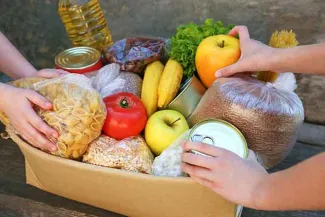
"The average benefits of SNAP work out to about $6 per person per day, or about $2 per meal," said Guerrero. "So, there really is no extra, there’s no 'living large.' This is about basic groceries and allowing people to stretch their food budgets."
Guerrero said protecting SNAP for Coloradans will be a main priority when the legislative session kicks off January 14, in part because the program is an important economic driver.
She said every dollar invested in SNAP produces two-dollars in local economic impacts when people buy food at grocery stores and farmers' markets.
"It not only helps parents keep food in the fridge, supports older adults and people with disabilities, and ensures that kids can learn and grow, but it also supports local economies," said Guerrero. "So, when we protect this lifeline as a whole, we strengthen our state as a whole."