Colorado’s Xcel Energy defends December power shutoffs in legislative hearing

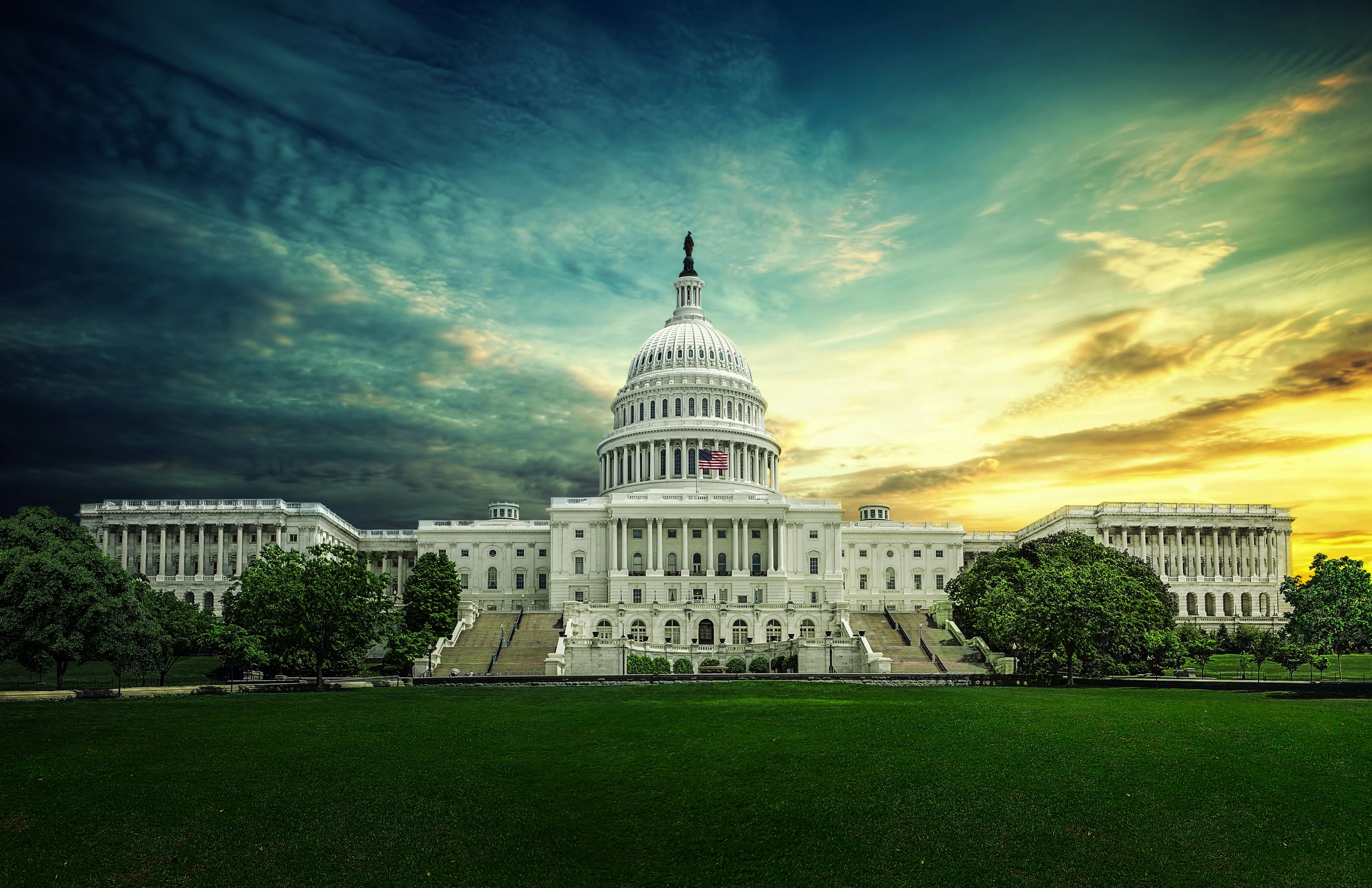
Colorado Capitol Building Denver © iStock - kuosumo
Executives at Colorado’s largest electric utility were grilled by state lawmakers Friday over their decision to preemptively shut off power to tens of thousands of Front Range customers during a period of extreme wildfire risk last month.
Testifying before a joint meeting of the House Energy and Environment and Senate Transportation and Energy committees, Xcel Energy Colorado president Robert Kenney said the company is “confident that we made the right operational decision for public safety” when it conducted the so-called public safety power shutoffs on Dec. 17 and Dec. 19. But he said Xcel is participating in extensive reviews to “listen and learn” about how it can better handle high-risk events in the future.
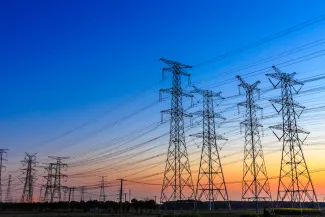
© zhaojiankang - iStock-802436842
“We’re always looking to continuously improve and evolve our practices,” Kenney said. “PSPS is a proven wildfire mitigation strategy, and it’s become standard procedure for utilities that serve wildfire-prone areas. But we are taking steps to reduce the time, scope and impact of those future events.”
Extremely dry conditions, record high temperatures and forecasts for dangerously high winds led to Xcel’s decision to conduct the shutoffs in parts of Boulder, Clear Creek, Jefferson, Larimer and Weld counties. The weather resembled the conditions that led to the 2021 Marshall Fire, which destroyed nearly 1,100 homes and businesses in an unprecedented midwinter conflagration that put a spotlight on heightened wildfire risks brought on by climate change.
The shutoffs in December affected more than 100,000 customers at their peak, twice as many as an earlier PSPS conducted by Xcel in April 2024. Xcel’s decision-making, and especially the days-long wait followed before service was fully restored, drew complaints from many customers across the Front Range — as well as scattershot attacks from right-wing politicians and pundits who called the shutoffs “commie crap” and blamed them on Democrats’ “radical environment policies.”
Xcel agreed last year to pay $640 million to settle claims brought by Marshall Fire victims, though it did not admit fault for the blaze, which investigators determined was caused by two different ignition points located roughly half a mile apart: an unmoored Xcel power line, and a burning debris pile on a property owned by the Twelve Tribes religious group.
© iStock - Glenn_Hewitt
Responding to a question from Rep. Lori Garcia Sander, an Eaton Republican, Kenney denied that the power shutoffs are merely to avoid litigation.
“We do this as a means of reducing the risk of an ignition occurring,” he said. “This is not a litigation avoidance technique. I don’t know that there is any other way to assure people of that fact, other than for me to say it, and then to demonstrate the damage that we saw to our equipment afterwards.”
At least nine fires erupted on Dec. 17 in Yuma County on the Eastern Plains, where power shutoffs did not occur, and emergency officials said downed power lines were likely the cause. Kenney showed lawmakers three “representative” photos documenting damage to Xcel’s lines in Boulder and Jefferson counties after the December wind events.
“Any one of these could have caused an ignition that, given the high winds, likely would have propagated and spread very rapidly,” he said.
In the short term, Xcel is continuing to expand its “meteorological capabilities” so that it can better predict extreme weather conditions, and adding “sectionalization devices” to its grid that could allow future PSPS events to be contained to smaller areas, Kenney said.
The company’s wildfire mitigation plan also calls for additional “undergrounding” of power lines, he added, responding to public questions about efforts to harden the grid against future disasters. Underground lines can be up to four times more expensive to install, he noted, which could impact ratepayer costs.
“This can be a very complex process, particularly in challenging terrain, such as mountainous areas,” Kenney said. “Given the potential impact on customer bills, we’re making decisions about where to do undergrounding in the most cost-effective way, while also delivering the greatest possible reduction to wildfire risk.”