Daily Audio Newscast Afternoon Update - June 5, 2026

© INDU BACHKHETI - iStock-1336427297
News from around the nation.
After 18 hours of debate, the U.S. Senate passed the 70 billion dollar immigration crackdown bill; Churches in Springfield, Ohio, hope Haitians who helped to rebuild the city get to stay; Minnesota keeps incentives for natural gas hookups despite pushback; and a new App age rule in Arizona has its critics.
Transcript
The Public News Service Friday afternoon update.
I'm Mike Clifford.
It was a debate that exposed sharp divisions in the GOP majority, but Senate Republicans were able to pass the $70 billion immigration crackdown bill, the bill which funds immigration and customs enforcement and border patrols for the rest of Trump's term would avoid future government shutdown fights.
It now goes to the House for final passage after an 18-hour voting session in which only one Republican voted against it.
It passed by a vote of 52 to 47.
Meantime, faith leaders in Springfield, Ohio, say Haitian immigrants have helped revitalize the city, but an upcoming Supreme Court decision could undo much of the progress they've made.
Carl Ruby is senior pastor at Springfield Central Christian Church.
He says not only do these families work and pay taxes, but they contribute food, art, and a strong sense of faith.
They are helping to build churches back up.
And it's not only going to be a tragedy for businesses, it'll be a tragedy for churches if they have to go.
The justices are considering whether the Trump administration can end temporary protection status and place legal Haitian immigrants under the threat of immediate deportation.
Next to Minnesota were regulators on Thursday opted to maintain a longstanding policy regarding natural gas infrastructure serving homes and businesses.
There were some changes, but a coalition wanted to end the practice as demand for this type of energy changes.
The Public Utilities Commission decided not to do away with what are known as gas line extension allowances.
It's where current ratepayers cover the cost of connecting new developments to natural gas systems.
Caitlin Eichten is with Fresh Energy, one of the groups pushing to phase out the approach.
She said they were hoping for stronger action.
We've seen that gas utilities are already experiencing declining gas usage, so it's more important than ever to scrutinize these policies.
In situations where new gas customers want to utilize the allowance and not pay the connection fee, the PUC did establish a uniform maximum distance.
I'm Mike Mowen.
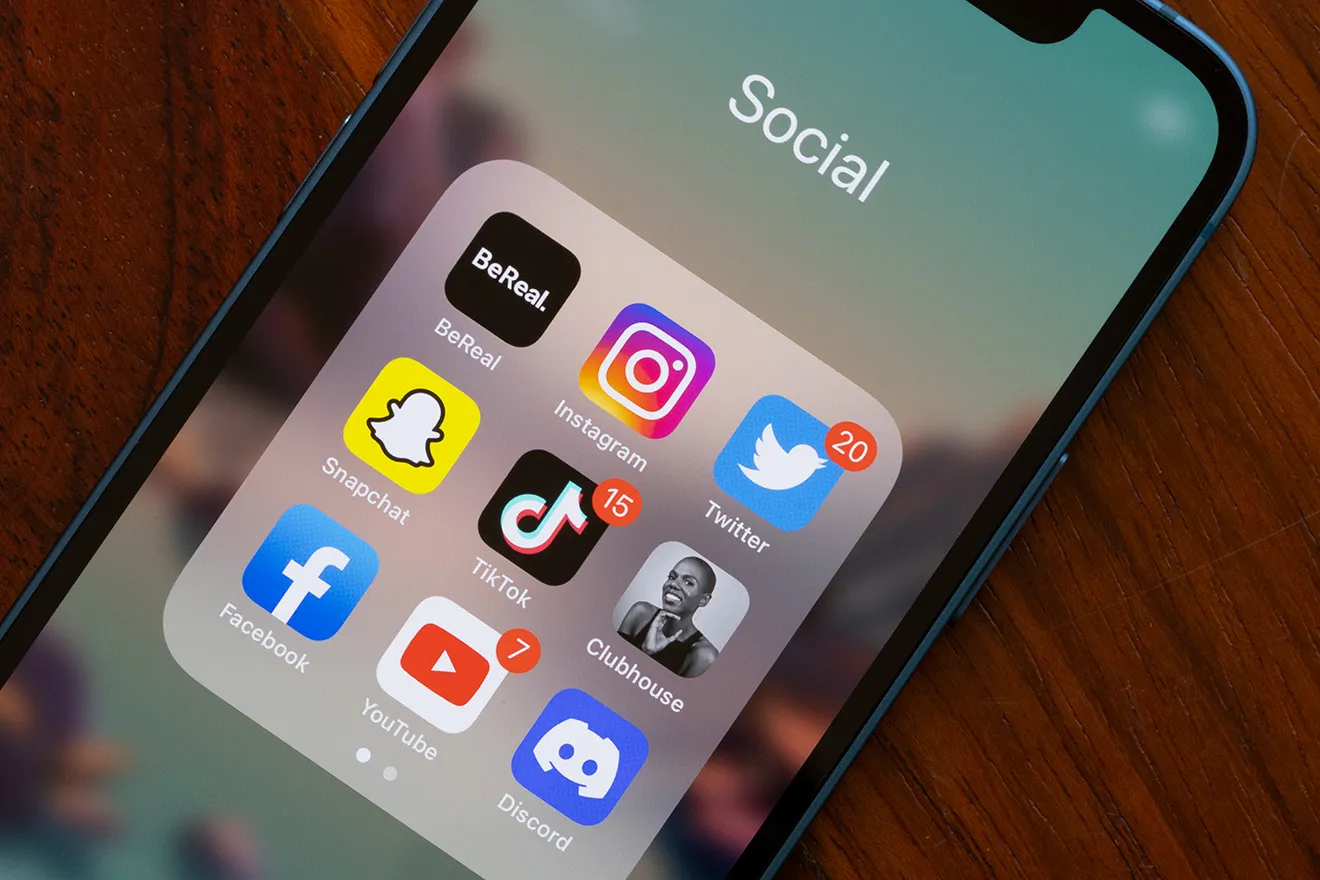
And Arizona lawmakers are considering a measure that would require age verification for people to download content and make purchases from app stores.
Arizona House Bill 2920, also known as the App Store Accountability Act, would require app stores to verify account holder age and get parental consent for minors to download apps and make purchases.
Connect and Protect CEO Terrence Samuel says verifying someone's age to download an app won't keep kids away from harmful content at all.
Someone has compared it to checking ID at the mall parking lot instead of at the liquor store counter, if the liquor store is in the mall.
Samuel says the measure would require increased data collection and infringes on privacy rights.
HB 2920 awaits action in a House committee.
I'm Mark Moran.
This is Public News Service.
Climate activists in Maine say the Trump administration's latest investment in coal-fired power plants will put the U.S. even further behind when it comes to renewable energy development.
Federal officials say they'll spend nearly $700 million to build, modernize, and restart coal plants nationwide.
Amy Eshoo, director of Maine Climate Action Now, calls that a step in the wrong direction, as other countries invest heavily in solar, wind, and battery technologies.
We could be right there with them, and with this kind of backward support for the fossil fuel industry, it's not going to happen, and that's a shame.
The Trump administration says the move will create more than 14,000 jobs and reinforce the reliability of the nation's electric grid.
Ruby says nearly half of Maine households can't afford their electric bills, but offshore wind projects that could help lower prices have been stalled by the federal government.
I'm Katherine Carley.
And Utah received new guidance from the Centers for Medicare and Medicaid Services on pending work requirement changes for Medicaid this week.
The stricter rules pushed by congressional Republicans will take effect in January of 2027.
Recipients without an exemption must work 80 hours a month through employment, education, or community service.
Protect Our Care's Maddie Toomey says the update doesn't have the guardrails to assure that vulnerable populations won't fall through the cracks.
Nearly 3 million Americans have lost their Medicaid coverage.
So this is even before these Medicaid work requirements are taking effect, and the bulk of the coverage losses are going to get worse.
Kumi says more than 180,000 Utahns could lose coverage.
Exemptions from work rules include Native Americans, pregnant women, people with disabilities, and parents with young children.
Federal officials contend the changes promote economic stability and self-sufficiency.
I'm Mark Richardson.
Finally, for National CPR and AED Awareness Week, Oregonians whose lives were saved by CPR are telling their stories in hopes of inspiring more people to be prepared to save a life.
Currently, 90% of people who suffer out-of-hospital cardiac arrests die, in part because most do not receive CPR.
Crystal Ball was almost one of them when she suffered a sudden cardiac arrest after a run in 2020.
She says she's grateful for the people around her who took action, what she calls the chain of survival.
My husband getting the 911 operator on the line and that operator telling my husband how to give me hands-only CPR kept me alive.
Every link matters.
Ball adds other links in the chain include the first responders in the ambulance and the advanced care that she got in the hospital.
After surgery for placement of an internal defibrillator and a period of recovery, she's back to living an active life.
I'm Isabel Charlay.
The American Heart Association encourages everyone to learn hands-only CPR.
This is Mike Clifford for Public News Service.
Member and listener supported.
Find our trust indicators at publicnewsservice.org.