Daily Audio Newscast Afternoon Update - October 30, 2026

© INDU BACHKHETI - iStock-1336427297
News from around the nation.
Oil prices rise after new attacks threaten global supplies, California leaders challenge federal election interference, and North Carolina food advocates make hunger a major midterm issue.
Transcript
The Public News Service Friday afternoon update.
I'm Joe Ulori.
Oil prices are climbing after new attacks in the Strait of Hormuz raised concerns about global supplies.
Brent crude rose above 2% today to roughly $117 a barrel after a tanker was hit in the critical shipping route.
Leaders in California are calling out the Trump administration's multiple legal attempts to interfere in the election.
Our Suzanne Potter has the story.
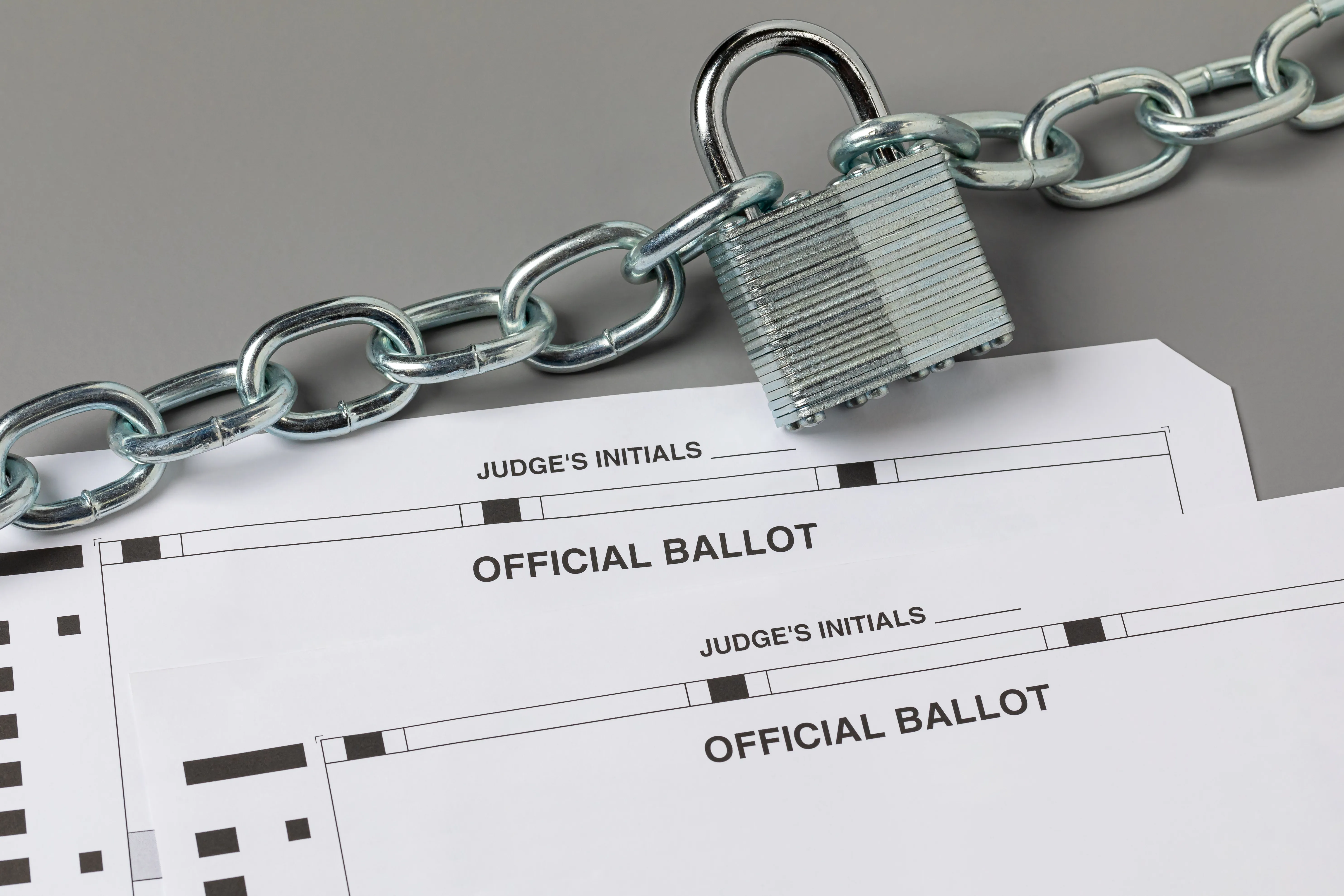
This week, a federal judge denied the Department of Justice's request for a temporary restraining order that would have required California election officials to set aside 20,000 ballots from the people the Fed say could be non-citizens.
U.S. Representative Mark Tucano says the DOJ is asking the state to intentionally withhold ballots from being counted, which is illegal.
A flash drive containing 20,000 names and a hunch is not adequate justification to disenfranchise thousands of people.
The Department of Justice has also opened a criminal investigation and subpoenaed election officials in the Golden State.
North Carolinians will vote on a number of high-profile race and ballot measures on November 3rd in food.
Security advocates say hunger is a major ballot issue this year.
More than 600,000 people in the Food Bank of Central and Eastern North Carolina's 34-county service area face food insecurity.
That's up from the peak demand during the COVID-19 pandemic by an estimated 40%.
Food banks and other anti-hunger groups point to rising costs for groceries and gas, along with cuts to federal food assistance programs as the main culprits for the rise in demand.
Amy Barros with the Food Bank of Central and Eastern North Carolina says families in the Tar Heel State aren't able to make ends meet.
We're all feeling it when we go to the gas station, when we go to the grocery store.
That income can't stretch any further.
We're talking about working parents and families who are doing everything right, but at the end of the month, math just no longer adds up.
So we are actually seeing hunger right now, worse than we've seen in a generation.
Estimates project that President Donald Trump's budget policy bill will cut as much as $287 billion in federal food assistance over 10 years.
As the affordability crisis strains household budgets, polling data shows nearly one-third of Americans worry about their debt load almost every day.
In Illinois, nearly one in five residents with credit card debt have balances in collections, according to Illinois Legal Aid Online, or Aleo.
Steve Urich, who works with the nonprofit, says a lot of people do nothing about it because they can't afford to pay the balance and they believe there's no other options.
They owe a few thousand dollars on a credit card or in medical debt, and they don't have a few thousand dollars in the bank.
The thing is, they do have more options available to them, and they can often negotiate a discounted settlement.
To help people navigate potential alternatives, Uric says Alejo has developed a self-help online resource called Debt Help Illinois.
I'm Judith Ruiz Branch reporting.
This is Public News Service.
This Menopause Awareness Month, Washington doctors are reminding people that heart disease is the leading cause of death for women.
Our Isabel Charlay has the story.
Research from the American Heart Association shows paramenopausal women are twice as likely to have low cardiovascular health scores than women with regular menstrual cycles.
Though the data is grim, women's health expert Dr.
Ori Holtzman encourages people to look at menopause as a window of opportunity.
This is a great time to sit down with your clinician and review risk factors like your blood pressure, cholesterol, blood sugar.
Understand your long-term cardiovascular risk.
Holtzman explains when estrogen levels drop, it leads to changes in body composition and within blood vessels that can impact the heart.
Experts advise getting about 20 minutes of moderate exercise per day and eating a diet rich in plant-based foods to keep your heart healthy.
As Breast Cancer Awareness Month ends, a Michigan survivor is calling for more federal support for cancer research and better access to clinical trials.
Lisa Cummings was diagnosed with breast cancer at 35, just six months after losing her mother to the disease.
Now a 27-year-old survivor and oncology nurse, she recently joined hundreds of patients and survivors in Washington to meet with lawmakers.
Cummins is backing a bipartisan bill aimed at reducing financial and travel barriers that can keep patients out of clinical trials.
What are we going to do for these people who have cancer?
The only reason I'm alive today is because the research was done and the medication was invented.
The American Cancer Society says the U.S. cancer death rate has fallen 34% over the past three decades, thanks in part to advances in research and treatment.
Scientists in Arizona are working to create environmental features that mimic nature in an effort to preserve soil amid dangerous heat, wildfires, and prolonged drought.
Scientists are building little dams with rocks, logs, and other vegetation in streams and ditches to trap water and slow erosion.
These human-made structures are similar to those constructed by beavers, and they help water spread across the landscape and soak into the ground.
The Nature Conservancy's Kimberly Shonick says in cooperation with Taproot Collaborative, this strategy is fostering a healthy ecosystem in the Pinaleno Sacred Springs Restoration Project in southern Arizona.
Creating good habitat for birds, squirrels, a lot of frogs, salamanders even.
Those wet areas, that's where animals like to go.
So mountain lion, bobcat, those wet areas are really important for animals that are moving through that area.
The Pinaleno Project is led Taproot Collaborative, Shahnik says more water spread across a wider swath of the landscape can also help keep vegetation green.
I'm Mark Moran.
This is Joe Lori for Public News Service, member and listener supported.
Find our trust indicators at publicnewsservice.org.