Daily Audio Newscast - December 31, 2025

© AlexLMX - iStock-823000260
Six minutes of news from around the nation.
SNAP bans on soda, candy and other foods take effect in five states Jan. 1; UT student loan borrowers in default could face collections; EPA delays tougher coal wastewater standards in Michigan, nation; Not much New Year's cheer for MT health insurance costs.
TRANSCRIPT
The Public News Service Daily Newscast, December the 31st, 2025.
I'm Mike Clifford.
Starting Thursday, Americans in five states who get government help paying for groceries will see new restrictions on soda, candy, and other foods they can buy with those benefits.
That's from the Associated Press.
They report Indiana, Iowa, Nebraska, Utah, and West Virginia are the first of at least 18 states to enact waivers prohibiting the purchase of certain foods through the Supplemental Nutrition Assistance Program, or SNAP.
The AP notes it's part of a push by Health Secretary Robert F.
Kennedy Jr. and Ag Secretary Brooke Rawlins to urge states to strip foods, regardless of their health.
Meantime, as 2025 nears its end, the new year will mean that nearly 43 million Americans with student loan defaults will have to start repaying.
Beginning next month, the U.S. Department of Education will send notices of administrative wage garnishment to owners of loans in default.
It will affect people who have these federally based loans and have not made a payment for 270 days.
Jack Wallace, who directs government and lenders relations with the private company Wirefy, says borrowers need to be proactive.
We need to not put our head in the sand and pretend like this is going to go away.
So if you're getting an email from your servicer, which you should be, or getting an envelope by the U.S. Post Office from your servicer, you need to open it up and find out what's going on.
Data Initiative reports Utah has around 321,000 student borrowers with a total debt of almost 11 billion dollars.
Mark Richardson reporting.
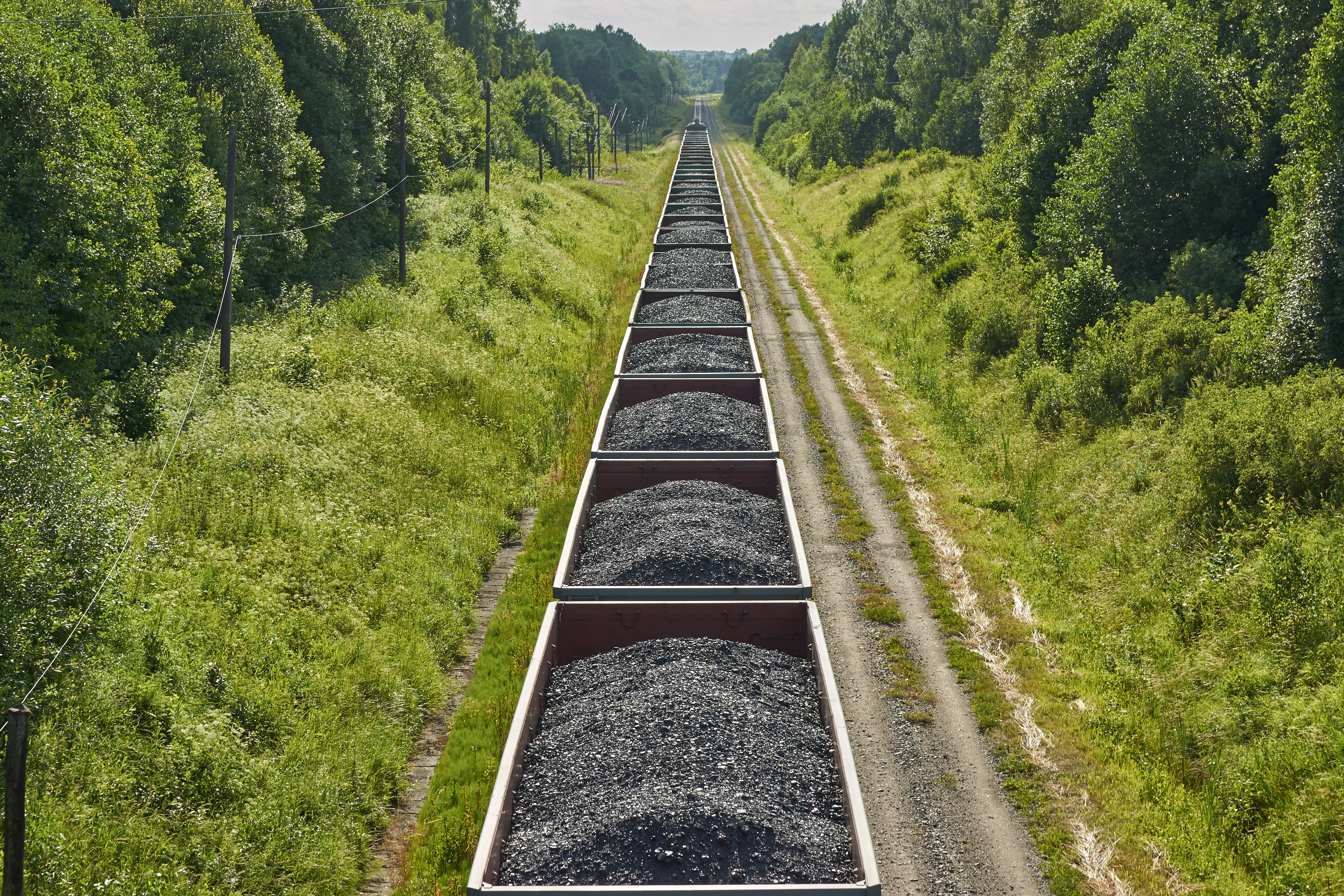
Next, environmental and clean water advocates are raising concerns after the EPA announced late on Christmas Eve it would delay tougher wastewater treatment standards for coal fired power plants including the J.H. Campbell plant in Western Michigan.
EPA estimates the stricter standards would cut wastewater pollution by more than 600 million pounds a year, reductions environmental groups say are now being delayed.
Tom Smarr is an attorney with Earthjustice, a national environmental law organization.
He says for decades, coal-fired power plants have been among the largest sources of toxic pollution in waterways, including arsenic, mercury, and lead.
These are standards that EPA is supposed to require power plants to use state-of-the-art technology to clean up this pollution or eliminate it altogether.
The EPA says the delay is intended to address concerns about electric grid reliability, rising electricity demand and electricity affordability for customers.
Environmental groups say they are reviewing the rule and plan to pursue legal challenges.
Crystal Blair reporting.
Even as federal officials maintain the delay is meant to help keep electricity reliable and affordable, critics argue the EPA has not shown extending the operation of older coal plants will lower electric bills for ratepayers.
This is Public News Service.
With Affordable Care Act subsidies expiring today, many folks in Montana will ring in the new year with higher health insurance costs.
While the U.S. House is set to vote on the subsidies in January, it doesn't help people who've already made coverage decisions for the month.
That includes former University of Montana adjunct professor Bradley Cook.
He lives in Hamilton, Montana and says his premiums went from $260 a month to almost $700 a month.
He says his deductible also more than doubled, which he describes as simply prohibitive.
My social security isn't doubling.
So it in effect was like a $15,000 expense out of pocket before I get any real insurance help.
Had to just cancel that.
People making more than 400 percent of the poverty level will no longer get the ACA extended subsidies.
I'm Laura Hatch reporting.
In Minnesota now accepting applications for paid leave benefits under a new statewide program.
The high-profile law takes effect Thursday.
State lawmakers say they want to ensure a smoother rollout by welcoming enrollees early.
The legislature approved startup funds but over time benefits will be covered by a payroll tax shared by participating employees and their employers.
Supporters say it helps workers with limited access to these perks when they need to step away for medical reasons.
The Department of Employment and Economic Development's Evan Rowe reminds those eligible they can get up to 12 weeks of partial wage replacement for personal leave or up to 12 weeks when caring for a loved one.
There's a 20-week cap when those needs overlap. common example where you'd have both types of leave might be a mother who's giving birth to a child.
This program is not linked to the fraud fallout seen in human services programs in Minnesota but Rowe acknowledges the scrutiny over state government right now.
I'm Mike Moen.
Finally West Virginia and other Appalachian states counting on federal investment in clean energy are seeing those funds vaporize leaving communities uncertain about jobs, reduced emissions and their economic future.
A new report from Reimagine Appalachia outlines specific projects across the state hanging in limbo, including a $129 million grant from the Department of Energy to build utility scale solar farms on two former surface mine sites in Nicholas County.
Rika Rothenstein, a senior research associate for the group says the frozen funding has huge impacts on the region.
Those solar farms would produce 250 megawatts of electric power and that's enough to service around 39,000 homes.
The findings show nearly 70 percent of projected clean energy jobs in Appalachian states are now at risk.
This is Nadia Ramlagan for West Virginia News Service.
This is Mike Clifford for Public News Service, member and listener supported.
You can find our trust indicators at publicnewsservice.org.