Daily Audio Newscast - September 2, 2026

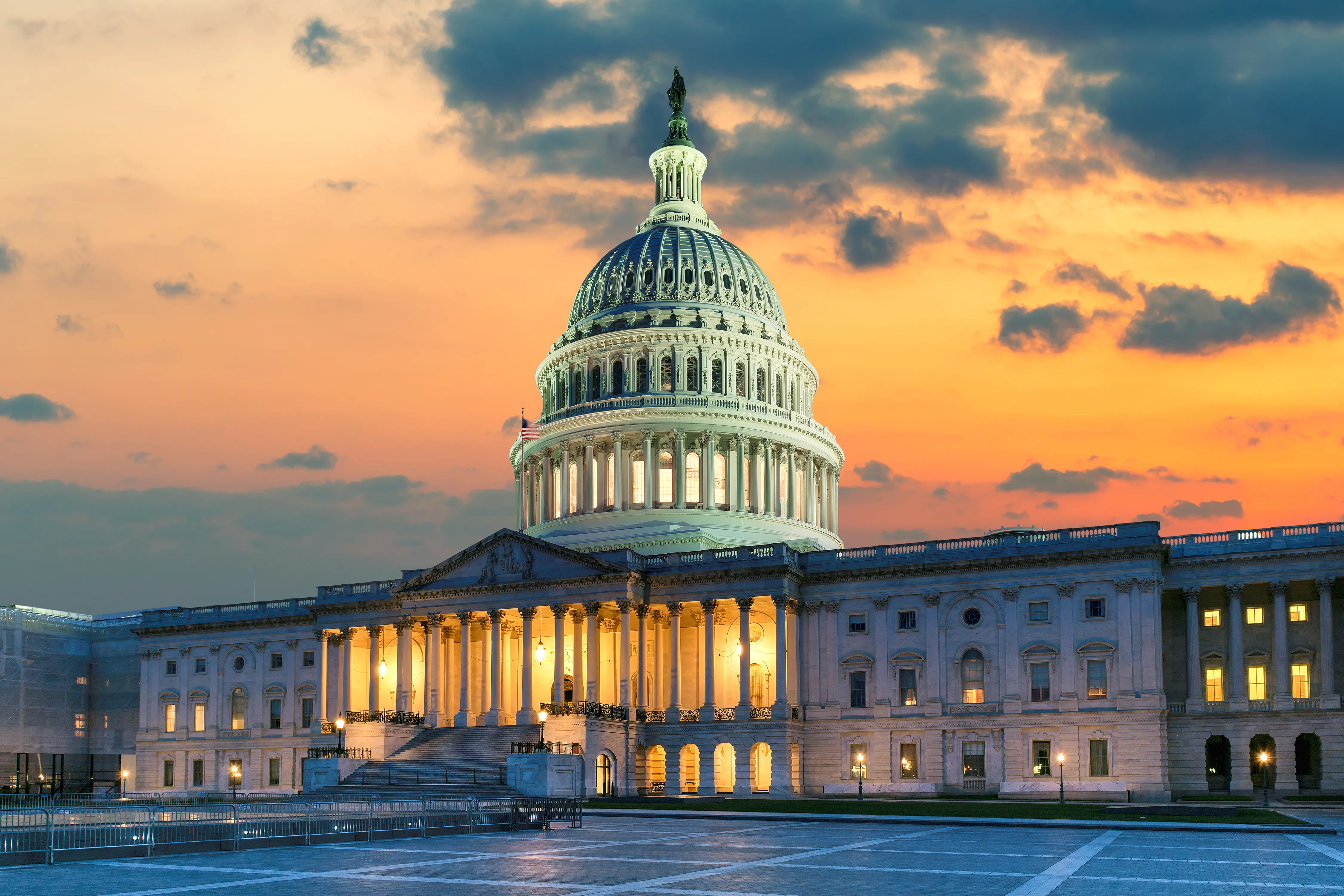
© AlexLMX - iStock-823000260
Six minutes of news from around the nation.
Another round of strikes on Iran and Trump promises more; Arizona landowners call for changes to the Farm Bill; new research finds 20,000 Wisconsin residents have lost health coverage since 2025.
TRANSCRIPT
The Public News Service doing newscast September the 2nd, 2026.
I'm Mike Clifford.
Tuesday was the latest day for the U.S. and Iran to launch strikes and counter-strikes.
U.S. Central Command said it had completed the latest barrage against Iranian military targets, including air defense sites, radar systems, and maritime assets.
The AP notes one U.S. strike hit a home hosting a wedding, killing five people and wounding dozens, according to local officials.
The U.S. strikes followed others on Sunday that abruptly ended a month without military action and threatened to fully reignite a conflict that had spiked global oil prices and posed political problems for the GOP in the November midterm congressional elections.
Meantime, cattle ranchers in western states are fighting for attention in the long-overdue farm bill.
It's been eight years since lawmakers drafted an updated measure, which is supposed to be renewed every five.
Washington lawmakers are struggling to come to terms on a number of high-profile issues, including financial support for agricultural producers and beef farmers worry their prices are being overlooked.
The Farm Bill currently under consideration in Washington includes a bipartisan provision that strengthens the ability of farmers and ranchers to conserve wildlife habitat while maintaining economically viable working lands.
Western Landowners Alliance Policy Director Shalice Harrison says protecting conservation in the Farm Bill is equally important as commodity crop prices and support for livestock and other agriculture producers.
There's a common saying in the West, what's good for the bird is good for the herd.
You know, it's not just a metaphor.
It expresses the important relationship between healthy ecosystems and the livestock that graze them.
The farm bill currently awaits action in the Senate.
I'm Mark Moran.
Next, health care affordability remains a growing concern for folks in Wisconsin, and new data gives a more exact picture of how federal cuts have reshaped the insurance landscape over the last year.
Research from Protect Our Care shows nearly 20,000 Wisconsinites have lost their Medicaid or CHIP coverage since the One Big Beautiful Bill Act was passed last summer.
Another 45,000 dropped to marketplace coverage after their premium skyrocketed.
State Representative Tara Johnson says Wisconsin is looking at ways to fill in gaps left by federal measures, including expanding BadgerCare income requirements.
So double the poverty level and somewhere between 55,000 to 75,000 additional Wisconsinites would qualify for BadgerCare.
Their proposal could also create a state-run marketplace for small businesses and employee groups.
State Democrats introduced the BadgerCare public option bill in March, but the legislation failed to advance.
I'm Judith Ruiz Branch reporting.
This is Public News Service.
Some conservation voters in rural Montana have regrets after recent Trump administration actions involving public lands.
One of the biggest concerns has been staffing cuts to public land management agencies.
Third generation bow hunter and houndsman Terry Zink owns an archery target business in Marion, Montana, near the Flathead National Forest in the northern part of the state.
He voted for President Donald Trump, but strongly disagrees with the administration's U.S. Forest Service cuts, especially because of this year's intense wildfires.
Getting rid of our trail crews, getting rid of a lot of our firefighters wasn't the right thing to do.
Did we need to cut some stuff in there with those?
Yes, I believe so.
But not cut those crucial agencies down to nothing and then look what happens.
The Trump administration has cut nearly 6,000 jobs at the U.S.
Forest Service and is consolidating its firefighting agencies.
I'm Laura Hatch reporting.
And just 12 Ohio lawmakers are moms of minor children out of 132.
That's according to a new report.
Arnati Ramlagan reports in this News from the States collaboration, the Buckeye State would need 13 total moms of minors to reach proportional representation.
Having both mothers and childless women at the table is critical because much of Ohio's working population consists of middle-aged women who are juggling parenthood and caretaking for elderly parents.
Lauren McNally, a Democratic state representative from Youngstown, is currently raising four school-aged children.
She feels the pain of those who are struggling alone.
Who are trying to figure it all out while raising families and moving up in their careers and taking care of their aging parents.
About 4% of Ohio state lawmakers were moms of minors when the first report was published in 2022.
And the Minnesota Summer Jobs Report shows a rebound, but there are continued signs of a shrinking workforce.
In line with national trends, Minnesota's labor force remained largely flat in July with a decrease of more than 4,000 participants.
Analysts point to waves of retirements, but the caregiving pressure is also being monitored.
Kate Schavers of Shoreview says at times in her professional career, Caregiving needs for her family took a front seat.
The eventual transition to back-to-work mode was stressful.
I did have to work hard at rebranding myself and picking up the kind of work that positioned me to get back into the workplace, but it's not an easy journey.
Schaefer's, a volunteer with AARP, is among those hopeful Minnesota's new paid leave law will ease this pressure.
I'm Mike Moen.
This is Mike Clifford for Public News Service.
We are a member and listener supported.
Find our trust indicators at publicnewsservice.org.