Front Range cities will vote on tax measure to fund Colorado Connector rail service

© Laser1987 iStock-1429700908
The fate of a decades-long effort to restore intercity passenger rail service to the Front Range is now in the hands of Colorado voters.
The board of the Front Range Passenger Rail District voted 14-1 Friday to refer a sales tax measure to the November ballots of voters in 30 municipalities along the planned route of the Colorado Connector rail service between Pueblo and Fort Collins. If approved by voters, the measure would raise an estimated $295 million annually by levying a district-wide 0.333% sales and use tax, equal to about 33 cents added to a $100 purchase.
© Svanblar iStock-146069215
Under a multi-phase plan announced by the FRPR district earlier this summer, the operation of a Colorado Connector “starter service,” between Fort Collins and Denver, is already on track to launch with three daily round trips by 2029 — with or without the additional tax revenue.
The Colorado Connector's multi-phase plan was unveiled last month, which put the Fort Collins–Denver starter service on track for a 2029 launch.
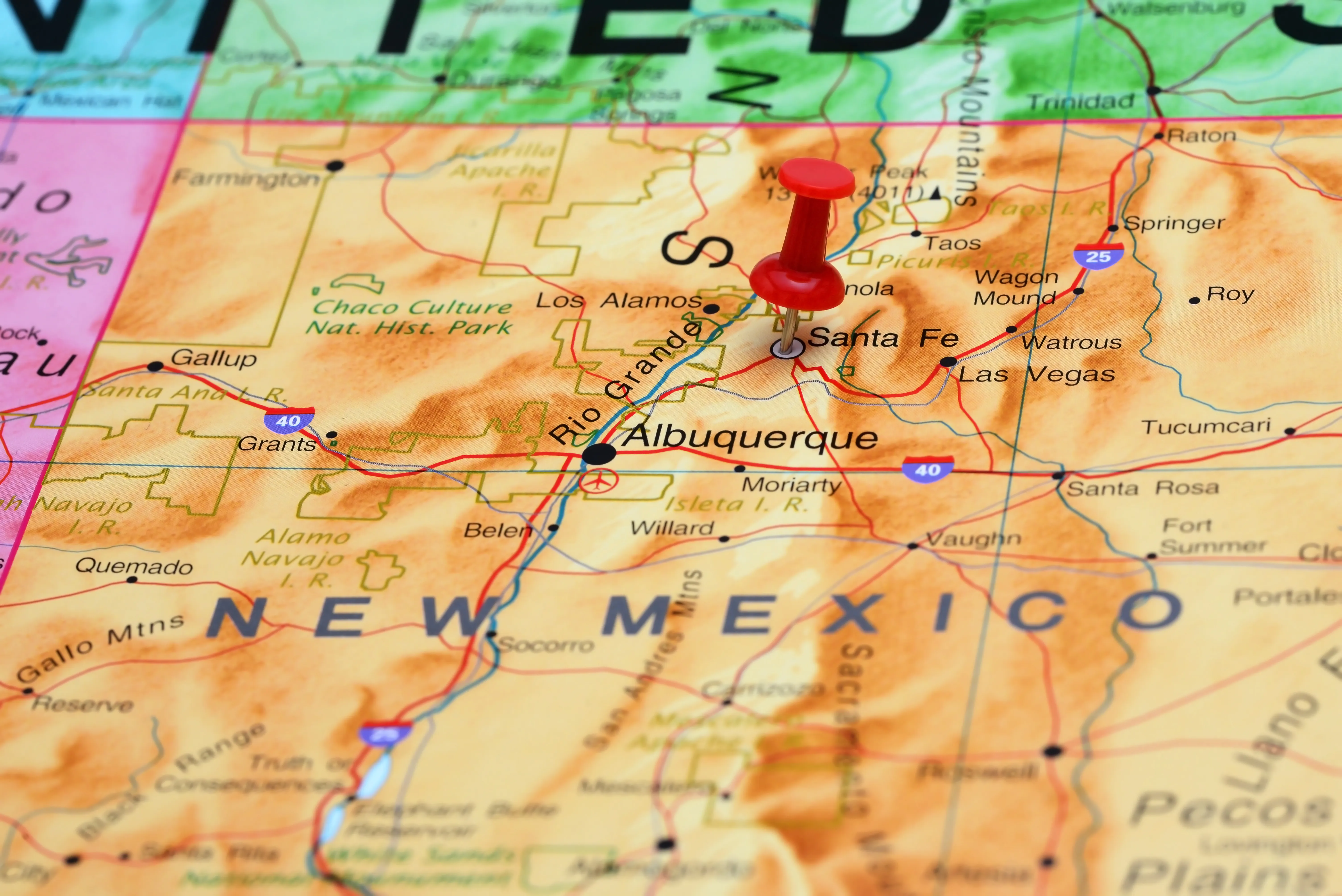
The funding from a successful ballot measure would go towards the full build-out of the Colorado Connector system, which spans 12 planned permanent stops along the Interstate 25 corridor. District officials say that service on the full Fort-Collins-to-Pueblo line would begin by 2032, with the potential for future expansion north to Cheyenne and south to Trinidad and New Mexico.
John Putnam, a longtime state and federal transportation official and chair of the FRPR board, called I-25 “a single point of failure for our economy, for our way of life, for emergency response.”
“We are overdue in creating redundancy and resiliency, providing options and getting cars off the road,” Putnam said just prior to the board’s vote, which came at a special meeting held at the Transportation Technology Center, a federal rail testing facility east of Pueblo.

© iStock - den-belitsky
“All transportation is subsidized right now — highways are heavily subsidized,” he added. “There’s no reason to hold passenger rail or transit or another form of transportation to a double standard.”
Following the vote, state and local officials celebrated by boarding a next-generation Amtrak Airo train undergoing testing at the TTC for a ride around the facility’s test loop. The first trains in the Airo fleet are slated to enter service on Amtrak intercity routes like the Cascades line in the Pacific Northwest by next year — and with Amtrak highly likely to operate the Colorado Connector as one of its state-supported routes, Colorado officials hope they’ll soon be traveling up and down the Front Range as well.
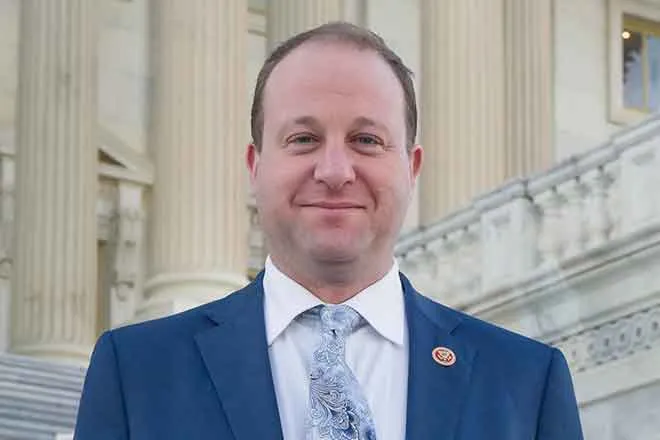
U.S. Representative Joe Neguse, a Democrat from Lafayette, called it a chance to “see the future of passenger rail in the state of Colorado, and really a way forward for the nation.”
“What an exciting development it is, how exciting it will be when all of you have collectively together made this dream a reality,” he added.
Years in the making
Aside from several stops on long-haul Amtrak routes, Colorado hasn’t had regular intercity passenger rail service since the early 1970s. Interest in a revival waxed and waned over the years, with multiple false starts, feasibility studies and proposals that stalled amid high projected costs.
A state commission established in 2017 finally took formal steps towards a service development plan, before the Legislature in 2021 created the FRPR district and gave it the authority to refer a tax measure to voters once a plan had been completed.
The district itself traces back to 2021, when Gov. Polis signed the bill creating the Front Range Passenger Rail District and granting it authority to seek voter approval for funding.
In addition to Colorado Connector and Amtrak’s seasonal Winter Park Express, the state is also planning to launch a “Mountain Rail” service between Denver and Granby by the end of this year, with future expansion planned as far as Steamboat Springs.

© Jerome Maurice - iStock-1426962165
The Colorado Connector’s full delivery plan calls for a gradual expansion to 10 daily round trips north of Denver and eight round trips on the southern segment. Permanent stations would be located in Fort Collins, Loveland, Longmont, Boulder, Louisville, Broomfield, Westminster, Denver, Littleton, Sterling Ranch, Colorado Springs and Pueblo. The plan also envisions special-event stops at the Broncos’ future home at Burnham Yards and the planned Denver Summit soccer stadium at I-25 and Broadway.
State officials had considered moving forward with a ballot measure as early as 2024, but ultimately delayed a vote to allow additional time for service and financial planning. State lawmakers earlier this year shrank the district’s boundaries to align with the few dozen urban and suburban municipalities most directly served by the route — and those, based on past results, most likely to vote for a tax hike. The “Colorado Connector” brand, meanwhile, received a splashy rollout after Coloradans were invited to vote on the service’s name, which shortened is CoCo.
Those involved with the project have been candid about one major motivating factor behind the extra planning and outreach — the long shadow of FasTracks, the Regional Transportation District expansion plan that was approved by voters in 2004, only to face extended delays on projects like the B Line between Denver and Boulder, which is currently slated for completion in 2042.
The timeline for that commuter-rail service was pushed back decades in large part due to the unexpectedly high costs of leasing the tracks along the route from freight rail giant BNSF. District officials say that with Amtrak’s involvement, diligent planning work and a long-term access agreement already signed between Colorado and BNSF, the Colorado Connector won’t be similarly derailed.
“A lot of that was done (because of) concerns about how FasTracks didn’t exactly come to pass as was promised,” Claire Levy, a Boulder County commissioner and the area’s representative on the FRPR board, said before Friday’s vote. “We wanted to make sure when this went to a vote that we had a very transparent financial plan, so that people would have confidence that a ‘yes’ vote would actually provide the funding to to do what is being promised.”