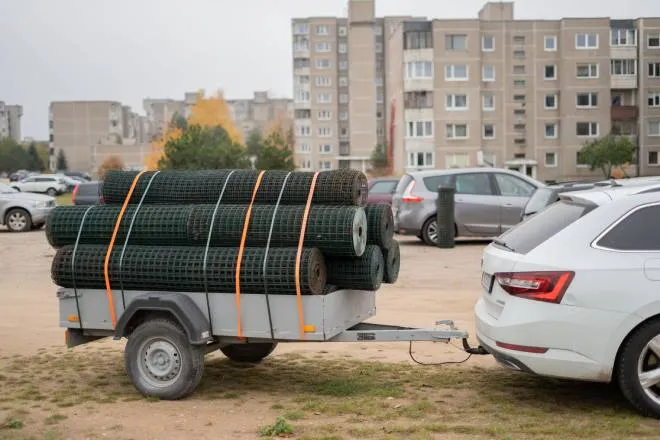
Industrial logistics decisions that affect safety

©
Industrial work has a way of turning small choices into loud consequences. A pallet placed too close to a forklift lane or a vague handoff note might seem harmless until the shift gets busier. Industrial logistics decisions that affect safety start with how materials move and who owns each step. When those choices are made with care, the floor runs with fewer surprises and far less scrambling.
Plan the route before the load moves
Movement creates risk before the forklift ever starts. A clear route keeps drivers away from blind corners and areas where workers need room to operate. Good logistics planning accounts for traffic patterns during real production, not just the neat version shown on a facility map. That means the safest route might change when maintenance crews open a panel or when a dock door is blocked.
Match handling methods to the material
Every material has a personality, and some are less forgiving than others. Containers and transfer equipment should match the load's weight, temperature, and stability. A plant handling spent catalysts requires procedures for catalyst storage and transport that keep the reactive material stable before it leaves the unit. The same discipline applies to any substance that punishes guesswork.
Keep staging areas boring
A staging area should never act like a junk drawer with wheels. When temporary storage gets crowded, workers start squeezing around loads and making creative choices with bad sightlines. Marked zones help everyone understand where material belongs and where people should not stand. Boring staging areas are a compliment because nothing mysterious is happening there.
Make handoffs precise
The most dangerous part of logistics is sometimes the pause between teams. One crew might assume a tank is ready, while the next crew assumes someone else checked the label. Strong handoffs name the load condition, destination, and next action without burying the point in chatter. Clear ownership keeps a simple transfer from turning into a guessing game.
Safety improves when logistics is treated like part of the job, not the chore between “real” tasks. The safest facilities build habits that make the right move easier than the risky shortcut. Industrial logistics decisions that affect safety shape workers' trust in the floor around them. When movement is planned with care, production gains rhythm without inviting chaos.