The most important steps in radiator maintenance

©
Do you notice your home feeling chilly even when the heating runs at full blast? Radiators often suffer from neglect until they stop working completely. Regular maintenance keeps your system efficient and your rooms cozy throughout the coldest months.
You can perform many simple checks yourself without calling a professional plumber immediately. Taking a few minutes to inspect your heating system can lower your energy bills and extend the life of your boiler. These are the most important steps in radiator maintenance when those free minutes finally arrive.
Bleed trapped air
Air often enters the heating system and rises to the top of your radiators. This air pocket prevents hot water from filling the entire unit, which leaves the top section cold while the bottom remains warm. You can fix this easily.
Grab the radiator key and a cloth. Turn the heat off and let the system cool down so that you don’t burn yourself. Find the bleed screw located on the top of the radiator. Place the cloth underneath to catch drips. Insert the key and turn it counter-clockwise. You will hear hissing sounds, this is the air escaping.
Once water starts to bubble out, retighten the screw immediately. This simple step restores full heat output.
Check for sludge buildup
While cold spots at the top indicate trapped air, cold spots at the bottom usually mean sludge has accumulated. Magnetite, or sludge, is a mixture of dirt and rust that settles at the bottom of the unit. This debris stops hot water from circulating properly.
You can try to dislodge minor buildup by taking the radiator off the wall and flushing it with a hose in your garden. However, severe cases require a power flush, which a professional must perform. Addressing sludge early prevents it from damaging your boiler pump.
Inspect valves and pipes for leaks
A small leak can lead to a drop in boiler pressure and cause the entire system to fail. Inspect the valves on either side of your radiator. You might notice rust or water stains on the carpet below the pipes.
If you find a leak coming from the valve spindle, try tightening the gland nut. If the valve itself looks damaged, you may need to replace it. When you replace a valve, you have a great opportunity to upgrade your system’s efficiency. You can install a thermostatic radiator valve to gain better control over the temperature in individual rooms, which reduces energy waste.
Keep the exterior clean
Dust behaves like an insulator. If layers of dust and pet hair cover the fins of your radiator (the convection channels), heat cannot escape into the room effectively.
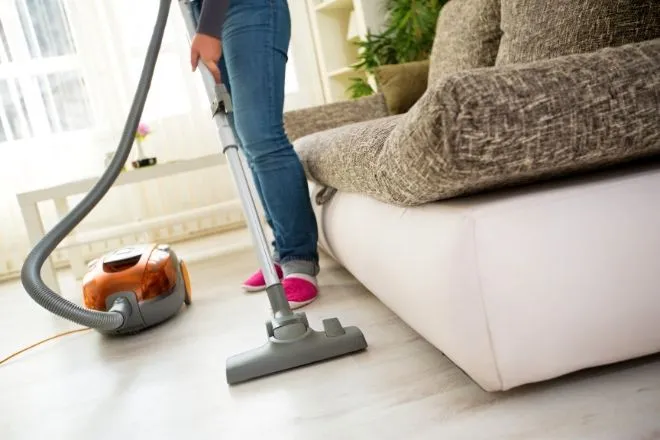
Use a long-handled brush or a vacuum cleaner attachment to clear dust from behind and inside the radiator panels. Do this before you turn the heating on for the winter season. Cleaning the exterior ensures the heat warms the air in your room rather than just the dust bunnies.
Watch for warning signs
Your central heating system often tells you when it needs help before it breaks down completely. Pay attention to these common indicators:
- Banging or whistling noises coming from the pipes
- Radiators taking a long time to heat up
- The boiler pressure gauge dropping frequently
- Unexpected increases in your heating bills
Routine care makes a significant difference in how your home feels during winter. By bleeding air pockets, checking for sludge, and keeping the units clean, you ensure your heating system runs smoothly. By understanding the important steps in radiator maintenance, you can keep your living space warm and welcoming all season long.