New testing has Utah worried about zebra mussel spread in the Colorado River

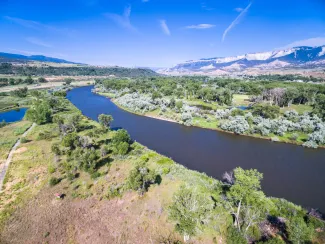
In an unfortunate first, state wildlife managers say fragments of invasive zebra mussel DNA have been found in a stretch of the Colorado River near Moab.
The discovery is concerning because the tiny striped mussels pose an outsized threat to rivers and lakes, clogging pipes, covering beaches with razor-sharp shells and damaging ecosystems. The Division of Wildlife Resources wants Utahns and visitors to take extra care not to spread them this year while rafting, boating, paddleboarding or kayaking.
“There is no time like right now to get serious about this threat,” said Trina Hedrick, the division’s sportfish coordinator, in a prepared statement.
The department sees the mussels as an emerging threat after an infestation was recorded near Loma, Colorado last year. And while detection of DNA in the water indicates the presence of an animal somewhere upstream, the division said it does not confirm that living mussels are present in the test area.
As primary users of the Colorado River, rafters and other nonmotorized boaters are the first line of defense in helping reduce the risk, Hedrick said. But she’s still encouraging all boaters to clean, drain, and dry their watercraft when moving from one lake or river to the next.
The Utah Division of Wildlife Resources began sampling for invasive mussels in the Colorado River last year. The agency set up its testing equipment 14 miles downstream of Moab this summer, where it took samples daily for analysis by the U.S. Geological Survey. Four of 22 samples tested positive for zebra mussel DNA in June and July, after earlier specimens from other points along the river did not.
The mussels, originally from Russia, were brought to North America almost 40 years ago by a transatlantic ship and spread to all five Great Lakes within 10 years, according to the U.S. Geological Survey.
A 2022 explainer on how zebra and quagga mussels spread westward across North America traces the history of the invasion from the Great Lakes toward Western waterways.
As this summer comes to a close, the state is reminding adventurers planning to launch any watercraft in the river — even a paddle board — that they need to complete Utah’s annual mussel-aware boater course first.
Those launching motorized boats must also pay an annual fee that funds state measures to keep the aquatic pests from spreading around Utah.